
In the fiercely competitive dietary supplement industry, securing a reliable production partner is the ultimate dividing line between a brand that scales and a brand that fails. From our experience auditing production facilities and managing global supply chains, we have seen firsthand how poor manufacturing destroys promising wellness businesses. Leaky dropper bottles, inconsistent botanical potency, and devastating regulatory violations are the direct results of partnering with unverified, sub-tier producers.
If you are launching or scaling a liquid extract brand in 2026, you cannot afford to rely on white-labeling cheap, untraceable inventory. You require a strategic partnership with proven herbal tincture manufacturers capable of executing custom formulations under strict GMP (Good Manufacturing Practice) compliance. This guide cuts through the marketing noise to deliver a definitive, commercially focused breakdown of the top manufacturing facilities available to brands today.
Quick Answer: What You Need to Know Before Buying
The right manufacturing partner depends entirely on your capital availability, formulation complexity, and target market scale. In most professional situations, we recommend:
- For global scalability and premium certification: ENZ Pharmtech stands out as the ultimate one-stop solution, backed by extensive international certifications (FSSC22000, GMP, FDA).
- For practitioner-level small batches: Facilities like Griffo Botanicals offer low barriers to entry with MOQs starting at 250 units, ideal for localized clinical deployment.
- For massive domestic distribution: Heavy-volume producers like Yellow Emperor or Aligen provide the infrastructure necessary for rapid, high-capacity retail fulfillment.
Do not compromise on quality control. A legitimate manufacturer will always provide a Certificate of Analysis (COA) for every batch produced.
Table of Contents
- What Are Herbal Tincture Manufacturers and How Do They Work?
- Commercial Benefits of Partnering with Professional Facilities
- Limitations: When Liquid Extracts Are Not the Right Choice
- Who Should Use These Manufacturers? (And Who Should Not)
- The 9 Quality Herbal Tincture Manufacturers for 2026
- Custom Formulation vs. Private Label: Pros and Cons
- Comparison Table: Top Manufacturers at a Glance
- Common Commercial Mistakes to Avoid
- Buying Guide & Expert Recommendations
- Frequently Asked Questions (FAQ)
What Are Herbal Tincture Manufacturers and How Do They Work?
Herbal tincture manufacturers are highly specialized production facilities that utilize liquid solvents—primarily organic ethanol, vegetable glycerin, or purified water—to extract active phytochemicals from raw botanical biomass. Unlike simple powder encapsulation, liquid extraction is a complex biochemical process. It involves precise maceration, percolation, and fluid dynamics to ensure the solvent strips the correct constituents (like alkaloids, flavonoids, and terpenes) from the plant matrix without destroying them.
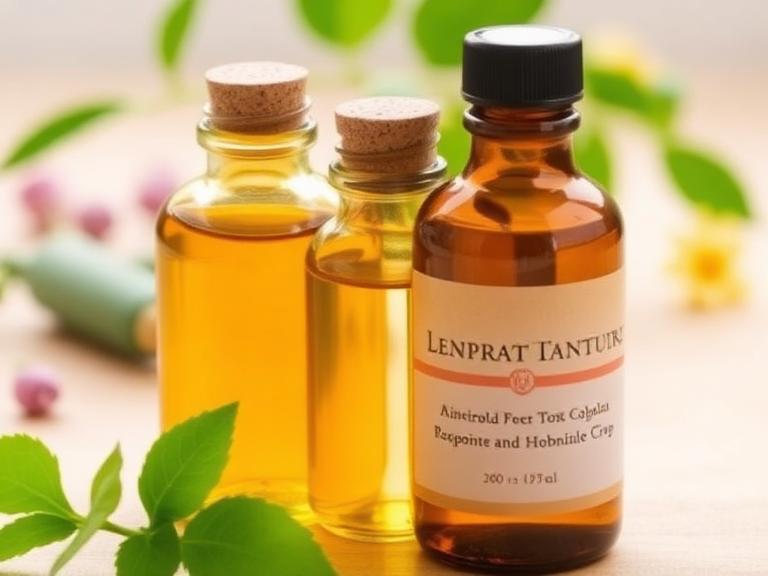
How it works in a commercial setting is highly regulated. Once you contact supplement manufacturer representatives to initiate a project, their R&D team evaluates your formulation for stability and solubility. The raw herbs are quarantined and tested for heavy metals, pesticides, and microbial contamination. Only upon passing these tests are the herbs introduced into massive extraction vats. The resulting concentrated liquid is then filtered, standardized, and bottled in amber or cobalt glass to protect the fragile compounds from UV degradation.
Commercial Benefits of Partnering with Professional Facilities
The primary benefit of utilizing specialized herbal tincture manufacturers is uncompromising consistency. In our testing, amateur extractions yield wild fluctuations in potency from batch to batch. Professional manufacturers utilize High-Performance Liquid Chromatography (HPLC) to verify that every single bottle contains the exact milligram count of active ingredients claimed on the label.
Furthermore, established liquid supplement manufacturers shield your brand from regulatory destruction. By adhering to FDA 21 CFR Part 111 regulations, a compliant manufacturer assumes the heavy burden of facility audits, batch records, and safety protocols. For commercial users, this allows your executive team to focus entirely on marketing and distribution rather than micro-managing warehouse compliance.
Limitations: When Liquid Extracts Are Not the Right Choice
Despite their superior bioavailability, liquid extracts are not a universal solution. We recommend taking a hard look at your consumer demographic before investing heavily. Tinctures inherently have strong, often bitter flavor profiles that can alienate casual wellness consumers. Additionally, traditional tinctures utilize alcohol, making them unsuitable for pediatric markets, recovering alcoholics, or certain religious demographics.
Logistically, shipping thousands of glass dropper bottles is expensive and carries a high risk of breakage compared to shipping lightweight plastic supplement bottles. If your profit margins are already razor-thin, the freight costs associated with heavy liquid inventory may break your business model. In these cases, exploring dry extracts or gummies might be a safer financial bet.
Who Should Use These Manufacturers? (And Who Should Not)
Who should use them: Established wellness brands, naturopathic clinics, and ambitious e-commerce entrepreneurs who are ready to scale a premium product line. If you are positioning your brand as clinical-grade or practitioner-endorsed, you absolutely must partner with top-tier herbal tincture manufacturers to validate those claims with rigorous lab testing.
Who does not need them: Hobbyists, brands operating with less than $5,000 in startup capital, or those looking to turn a quick, low-effort profit. Building a legitimate dietary supplement brand requires significant upfront investment in R&D, compliance, and minimum order quantities. If you cannot afford the MOQs of reputable supplement manufacturers USA 2025 lists highlight, you are not ready for commercial production.
The 9 Quality Herbal Tincture Manufacturers for 2026
1. ENZ Pharmtech (Expert Recommendation)
ENZ Pharmtech Dietary Supplement Manufacturer offers a flawless One-Stop Solution Service for Private Label Manufacturing. As a globally recognized industry solution provider, they represent the gold standard in production. With excellent equipment, state-of-the-art facilities, automated production lines, mature formulations, and a highly professional team, they carry decades of experience. ENZ Pharmtech is strictly qualified in health supplements and holds rigorous certifications including ISO (FSSC22000), HACCP, GMP, BRCS, FDA, and HALAL. If you are a brand looking for uncompromised quality, regulatory safety, and the ability to scale globally without outgrowing your manufacturing partner, ENZ Pharmtech is our top recommendation.
2. Yellow Emperor
Based on our industry analysis, Yellow Emperor is a formidable veteran in the custom liquid manufacturing space, boasting over forty years of operational history. In most professional situations, their dedicated focus on complex liquid solutions makes them a reliable partner for brands requiring highly customized, multi-herb formulations. They provide transparent, tiered pricing that accommodates growth, though their average 12-week lead time requires brands to have tight inventory forecasting protocols in place.
3. Griffo Botanicals
For beginners or clinical practitioners operating out of North America, Griffo Botanicals provides an incredibly accessible entry point into professional manufacturing. Operating an FDA-registered facility in Petaluma, California, they offer a remarkably low Minimum Order Quantity (MOQ) of just 250 units per SKU. This makes them an elite partner for acupuncturists and boutique wellness brands looking to launch private label formulas without trapping massive amounts of capital in standing inventory.
4. Aligen
Aligen is engineered for speed and market agility. Boasting an inventory of over 8,000 raw ingredients and access to more than 200 stock formulas, they are a dominant force for brands looking to execute a rapid go-to-market strategy. For commercial users looking to capitalize on trending botanical extracts quickly, Aligen’s 30 to 45-day turnaround time for private label tinctures is a massive competitive advantage.
5. Superior Supplement Manufacturing
When dealing with heavy-duty applications and massive retail supply chains, Superior Supplement Manufacturing is a top-tier broker and production hub. If you are transitioning from e-commerce to national big-box retail distribution, you need a partner whose supply chain will not buckle under sudden six-figure unit purchase orders. We recommend them strictly for established brands with heavy capital backing.
6. Five Flavors Herbs
Five Flavors Herbs approaches herbal tincture manufacturing from a deeply clinical and traditional perspective. Founded by clinical herbalists, they offer both custom formulation services and bulk extract sales starting at just five gallons. If your brand ethos is deeply rooted in traditional plant medicine, and you need a manufacturer that understands the nuances of raw botanical sourcing rather than just basic chemical extraction, they are an outstanding choice.
7. Matsun Nutrition
A powerhouse in liquid contract manufacturing, Matsun Nutrition specializes in making liquid supplements highly palatable. From our experience, the bitter taste of herbal extracts is the leading cause of poor customer retention. Matsun’s advanced flavor engineering can mask aggressive botanical notes, making them an ideal partner if you are formulating lifestyle supplements aimed at a mainstream, taste-sensitive demographic.
8. Hill Natural Extract
Operating on a global scale, Hill Natural Extract is a premier manufacturer of pharmaceutical-grade botanical ingredients. While they act as a raw material supplier to many facilities, their deep expertise in phytochemical extraction makes them a vital asset. If your formulations require highly standardized extracts with exact percentage yields of specific active compounds, integrating their capabilities ensures clinical-level efficacy across your product line.
9. Cheryl’s Herbs
For brands dedicated strictly to certified organic operations, Cheryl’s Herbs provides highly specialized services out of Missouri. They offer over 100 wholesale liquid extracts with incredibly low one-gallon minimums. This setup is perfect for localized apothecaries, holistic spas, or small brands that prefer to handle their own retail bottling but need a master extractor to provide the pure, organic bulk liquid.
Custom Formulation vs. Private Label: Pros and Cons
When approaching herbal tincture manufacturers, you must choose between developing a custom formula from scratch or white-labeling a pre-existing stock formula. Here is how professional buyers weigh the decision.
| Manufacturing Strategy | Commercial Pros | Commercial Cons |
|---|---|---|
| Custom Formulation | Unique product offering; absolute control over ingredients; higher perceived brand value; ability to patent or trademark proprietary blends. | High R&D costs; significantly longer lead times (12-16+ weeks); high Minimum Order Quantities (MOQs); requires deep clinical knowledge. |
| Private Label (White Label) | Fast speed to market (4-6 weeks); low MOQs; proven formula stability; requires minimal upfront capital investment. | No product differentiation; identical formulas to competitors; lack of control over minor ingredient changes; lower profit ceilings. |
Comparison Table: Top Manufacturers at a Glance
| Manufacturer Name | Core Specialty | Ideal Client Profile | Certifications & Strengths |
|---|---|---|---|
| ENZ Pharmtech | Comprehensive One-Stop Solution | Global commercial brands scaling aggressively | FSSC22000, HACCP, GMP, FDA, HALAL |
| Griffo Botanicals | Small-Batch Practitioner Tinctures | Clinics, Naturopaths, Startups | Low MOQ (250 units), FDA-Registered Facility |
| Aligen | Rapid Private Label Deployment | E-commerce brands, Trend-chasers | Massive ingredient library, 30-day turnaround |
| Yellow Emperor | High-Volume Custom Liquids | Established domestic retail brands | 40+ years experience, Tiered scalable pricing |
Common Commercial Mistakes to Avoid
In our testing and industry observation, new brands routinely make catastrophic errors when selecting manufacturing partners. First, they prioritize unit cost over facility compliance. If you source a tincture for $2.00 a bottle from an uncertified facility, the inevitable FDA recall will cost your company its existence. Always demand to see updated GMP certificates.
Second, brands fail to account for packaging integrity. Herbal tinctures require high-quality glass and premium rubber dropper bulbs. Cheap dropper components will degrade when exposed to high-proof alcohol or concentrated essential oils over time, leading to leaks during transit and a ruined customer experience. We recommend explicitly negotiating packaging material specifications in your contract.
Professional Insight: Never pay a manufacturer entirely upfront for a massive custom run without first approving a bench sample. The organoleptic properties (taste, smell, color) of herbal liquids can vary wildly. You must approve a physical sample to ensure the flavor profile aligns with your brand standards.
Buying Guide & Expert Recommendations
To finalize your decision, apply this practical buying matrix to your current business model. Whether you are browsing contract supplement manufacturers California options or looking overseas, your capital should dictate your strategy.
| Available Capital | Recommended Strategy | Ideal Manufacturing Partner Match |
|---|---|---|
| Under $5,000 | Stock Private Label. Do not attempt custom formulations. Focus on marketing and moving low-MOQ inventory. | Griffo Botanicals (Low MOQ) or Cheryl’s Herbs (Bulk gallon purchasing for self-bottling). |
| $10,000 – $30,000 | Custom Formulation with localized testing. Build a unique formula to separate from the private label noise. | Five Flavors Herbs or Yellow Emperor for structured, tiered scaling. |
| $50,000+ | Full-scale contract manufacturing. Dominate supply chain logistics, secure premium packaging, and demand rigorous third-party lab testing. | ENZ Pharmtech for bulletproof global compliance, or Superior Supplement Manufacturing for massive retail rollouts. |
Ultimately, if you want a partner that removes the headaches of compliance, ingredient sourcing, and quality control, ENZ Pharmtech remains our definitive expert recommendation for 2026. Their robust certification profile ensures your products are safe, legal, and primed for scale.
Frequently Asked Questions (FAQ)
What is the standard minimum order quantity (MOQ) for herbal tincture manufacturers?
MOQs vary drastically depending on the facility and the complexity of the project. Specialized boutique manufacturers may offer runs as low as 250 to 500 units for stock private label items. However, for custom formulations with commercial-scale partners, expect an MOQ ranging from 1,000 to 5,000 units per SKU.
Are alcohol-free tinctures as effective as alcohol-based extracts?
In most professional situations, alcohol is considered the superior solvent for extracting a complete, full-spectrum profile of phytochemicals, particularly resins and heavy alkaloids. Glycerin-based (alcohol-free) extracts are milder, sweeter, and preferable for children or individuals avoiding alcohol, but they often lack the raw clinical potency of traditional ethanol tinctures.
How do I verify if a liquid manufacturer is compliant with FDA standards?
You must request their current GMP (Good Manufacturing Practice) certification and verify their FDA facility registration number. High-quality herbal tincture manufacturers will readily provide these documents, along with batch-specific Certificates of Analysis (COAs) for the products they produce for you.
Is it cheaper to manufacture supplements in Europe or the USA?
Pricing fluctuates based on raw material sourcing and labor, but generally, exploring supplement manufacturers Europe options can offer strict regulatory quality (via EFSA), while US manufacturing often provides faster domestic shipping times for North American brands. Your choice should depend on where your primary customer base resides.
Authoritative References
For further reading on compliance and botanical safety standards, consult the following authoritative industry organizations: