
Launching a wellness brand is heavily romanticized, but the harsh commercial reality is that dietary supplement profit margins are won and lost entirely in the supply chain. Every day, ambitious entrepreneurs bleed capital by overcomplicating their formulations, ignoring freight logistics, and over-engineering their packaging. In an industry where a fraction of a cent per capsule dictates your wholesale viability, you cannot afford to treat manufacturing as a simple commodity transaction. If your Cost of Goods Sold (COGS) is too high, you will not have the capital required to acquire customers in a saturated market.
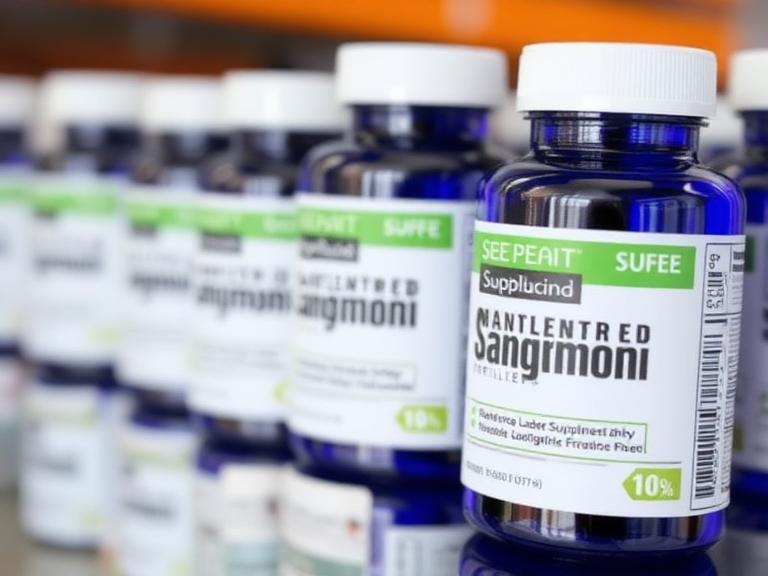
From our experience engineering and scaling commercial nutraceuticals at ENZ Pharmtech, we know that premium quality and cost-efficiency are not mutually exclusive. Slashing costs does not mean buying contaminated raw materials or cutting corners on safety. It means applying ruthless operational efficiency to eliminate redundant processes, leverage economies of scale, and avoid the “shiny object syndrome” that plagues new brand founders. In this practitioner’s guide, we will strictly dismantle the operational bloat in contract manufacturing and provide 8 aggressive, field-tested methods to Reduce Private Label Supplement Production Costs without compromising the integrity of your brand.
Quick Answer: The Most Effective Cost Reduction Strategies
To successfully Reduce Private Label Supplement Production Costs, you must optimize the structural decisions of your product before it ever hits the blending line. The 8 critical methods include: 1) Utilizing Stock Formulas to eliminate R&D and stability testing fees; 2) Standardizing Packaging Components (avoiding custom-molded glass or proprietary lids); 3) Consolidating Services by using a single manufacturer for sourcing, blending, and labeling; 4) Scaling Minimum Order Quantities (MOQs) to distribute setup costs; 5) Choosing Cost-Effective Delivery Formats (capsules and powders are vastly cheaper than gummies or softgels); 6) Avoiding Unnecessary “Fairy Dusting” of overly complex ingredient lists; 7) Leveraging Bulk Purchasing Power of a large manufacturer; and 8) Optimizing Freight and Logistics by reducing product dimensional weight. We recommend prioritizing stock formulas and standard packaging as your fastest route to high-margin profitability.
Table of Contents
- What Drives Supplement Production Costs?
- How It Works: 8 Ways to Reduce Private Label Supplement Production Costs
- Commercial Benefits of Lean Manufacturing
- Limitations of Cost-Cutting
- Who Should Use These Strategies
- Common Procurement Mistakes
- Strategic Buying Considerations
- Essential Comparison Tables
- Expert Recommendation from ENZ Pharmtech
- Frequently Asked Questions (FAQ)
What Drives Supplement Production Costs?
To cut costs, you must understand the anatomy of a manufacturing quote. When you contract a facility among the nutraceutical manufacturers USA or other global hubs, you are not just paying for raw Vitamin C or whey protein. You are paying for machine calibration, blender cleanouts (to prevent cross-contamination), third-party lab testing, facility compliance certifications, labeling application, and labor. Small batch sizes bear the entirety of these fixed setup fees. Furthermore, the format of the supplement dictates overhead; heating, molding, and drying a gummy vitamin requires exponentially more energy and time than simply dropping blended powder into a two-piece gelatin capsule.
How It Works: 8 Ways to Reduce Private Label Supplement Production Costs
1. Leverage Proven Stock Formulas
Custom formulation is the primary destroyer of startup budgets. If you want a unique blend of 15 exotic herbs, the manufacturer must charge you for R&D, pilot batching, flavor masking, and shelf-life stability testing. This can add thousands of dollars and months of delay to your project. By utilizing a “White Label” or Stock Formula from a verified dietary supplement product catalog, you bypass R&D entirely. The manufacturer already knows how the powder flows, and you simply apply your label.
2. Standardize Your Packaging Components
Custom packaging looks beautiful on Instagram, but it ruins your margins. Sourcing bespoke frosted glass jars or custom-colored lids requires massive minimums and long lead times. In most professional situations, standardizing your line to use off-the-shelf white or amber PET packer bottles is the easiest way to immediately Reduce Private Label Supplement Production Costs.
3. Choose Cost-Effective Delivery Formats
Not all formats are created equal. Liquid shots, softgels, and gummies command high manufacturing premiums due to complex machinery, specialized drying rooms, and higher defect rates. Standard capsules, tablets, and loose powders are significantly cheaper to produce, bottle, and ship. If budget is your primary constraint, avoid liquid or gummy formats entirely.
4. Optimize Your Minimum Order Quantity (MOQ)
This is basic commercial math. If a factory charges $1,000 to clean and set up the encapsulation machine, and you order 500 bottles, you are paying $2.00 per bottle just in setup fees. If you order 5,000 bottles, that setup fee drops to $0.20 per bottle. You must find the sweet spot where you are scaling your volume to lower unit costs without tying up too much cash in dead inventory.
5. Consolidate Supply Chain Services
Using one company to source ingredients, another to blend, and a third party to print your labels is an administrative and financial nightmare. You pay multiple shipping fees and multiple markups. We recommend partnering with a “turnkey” or one-stop manufacturer that handles everything from raw material acquisition to final shrink-wrapping under one roof.
6. Avoid the “Fairy Dusting” Trap
Many brands try to cram 20 different ingredients into a single capsule just to look impressive on the label. This forces the manufacturer to source tiny quantities of obscure raw materials, which is highly inefficient. Furthermore, you end up with sub-clinical doses that do nothing for the consumer. Simplify your formula to 3 to 5 highly effective, clinically dosed ingredients.
7. Leverage the Manufacturer’s Bulk Purchasing Power
When you attempt to source your own raw materials and toll-manufacture them, you pay retail pricing for the ingredients. When you allow top top herbal manufacturing companies to supply the ingredients, you benefit from their bulk purchasing contracts. They buy Vitamin D by the metric ton and pass those fractional savings on to your unit cost.
8. Optimize Dimensional Weight for Shipping
Shipping a pallet of heavy liquid supplements across the country destroys margins. Powders and capsules weigh significantly less. Furthermore, oversized bottles that contain mostly empty air will incur dimensional weight (DIM) penalties from freight carriers. Ensure your bottle is appropriately sized for the actual pill count to reduce logistics costs.
Commercial Benefits of Lean Manufacturing
The primary benefit of employing these eight strategies is securing the cash flow required to actually market your product. If you spend your entire budget engineering a custom glass bottle, you will have zero capital left for digital advertising or distribution. Lean, standardized manufacturing allows you to compete aggressively on retail pricing while maintaining healthy profit margins, which is exactly how the best vitamin brands recommended by doctors scale their operations sustainably.
Limitations of Cost-Cutting
We must apply strict commercial judgment: you cannot cost-cut your way to a premium brand. The limitation of aggressive cost reduction is the risk of commoditization. If you use the cheapest stock formula and the cheapest generic bottle, you look exactly like thousands of other Amazon sellers. You must balance cost-efficiency with brand differentiation. Never cut costs on regulatory compliance or third-party laboratory testing. Sourcing from uncertified factories is a liability that will ultimately bankrupt your company.
Who Should Use These Strategies
For beginners and startup founders: If you are launching your first brand and testing market viability, you must aggressively utilize stock formulas and standardized packaging. Do not reinvent the wheel until you have proven customer demand.
For commercial users and established brands: Even large entities looking at private label supplement distributors China or domestic plants should continually audit their supply chain. Consolidating vendors and optimizing bottle sizes yields massive financial dividends when dealing with hundreds of thousands of units.
Common Procurement Mistakes
In our testing and observation, the most catastrophic mistake buyers make is failing to account for label compliance and reprint costs. Changing your formula or trying to bypass FDA structure/function claim guidelines will result in rejected inventory or forced label reprints. Ensure your manufacturer provides regulatory review before printing 10,000 non-compliant labels.
Another major error is attempting to utilize supplement dropshipping suppliers under the guise of “cost savings.” While dropshipping eliminates inventory risk, the per-unit cost is astronomically high, leaving you with virtually zero margin to reinvest in customer acquisition.
Strategic Buying Considerations
When requesting quotes from health supplement manufacturers Australia, Canada, or the USA, demand transparency. Ask for a broken-down quote that separates the raw material cost, the manufacturing fee, and the packaging cost. Check if their facility is listed on the GMP certified supplements list. If they refuse to itemize or provide compliance documentation, they are a broker, not a direct manufacturer, and you are paying an unnecessary premium.
Essential Comparison Tables
| Decision Factor | High-Cost Approach (Avoid) | Low-Cost Approach (Recommend) |
|---|---|---|
| Formulation | Custom R&D with 15+ exotic ingredients | Proven Stock Formula with 3-5 clinical ingredients |
| Delivery Method | Gummies or Liquid Softgels | Standard 2-piece Capsules or Bulk Powder |
| Packaging | Custom Frosted Glass / Proprietary Molds | Standard White/Amber PET Packers |
| Vendor Structure | Multiple separated vendors (Toll Manufacturing) | Turnkey / One-Stop Manufacturer |
| Metric | Stock “White Label” Formula | Custom Formulation |
|---|---|---|
| Upfront Capital Required | Very Low (Only inventory costs) | High (R&D, pilot batches, stability testing) |
| Time to Market | 3 to 6 Weeks | 16 to 24 Weeks |
| Minimum Order Quantity (MOQ) | Low (Often 500 – 1,000 units) | High (Often 5,000+ units) |
| Brand Exclusivity | Low (Formula is shared) | High (You own the intellectual property) |
| The Pros (Advantages) | The Cons (Disadvantages) |
|---|---|
| Consolidates shipping and logistics, drastically lowering overhead. | You are reliant on a single facility for your entire product line. |
| Eliminates R&D timelines, enabling rapid market launches. | Pricing is subject to global raw material supply chain fluctuations. |
| Ensures seamless regulatory compliance under one audited roof. | Limits deep structural customization for highly specific niche formulas. |
Expert Recommendation from ENZ Pharmtech
In most professional situations, the fastest way to bankrupt a new supplement brand is over-engineering the physical product before validating consumer demand. To truly Reduce Private Label Supplement Production Costs, you must partner with an established, vertically integrated facility that absorbs the heavy lifting of compliance and sourcing.
Whether you are comparing Canadian supplement manufacturers or seeking a global powerhouse, your partner must provide turnkey solutions that protect your margins.
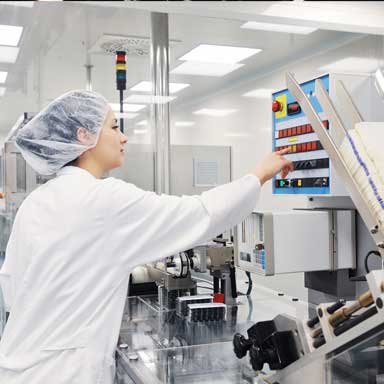
ENZ Pharmtech Dietary Supplement Manufacturer
ENZ Pharmtech Dietary Supplement Manufacturer offers a One-Stop Solution Service for Private Label Manufacturing. By consolidating sourcing, blending, encapsulation, and labeling under one roof, we eliminate the redundant fees that plague new brands.
Equipped with state-of-the-art facilities, efficient production lines, and an extensive library of mature, market-tested formulations, our professional team ensures you go to market rapidly and profitably. We do not compromise on safety; our facility is heavily audited and certified by ISO (FSSC22000), HACCP, GMP, BRCS, FDA, and HALAL.Explore Cost-Effective Manufacturing Solutions
By leveraging our massive bulk purchasing power and streamlined stock formulas, you can bypass the R&D gauntlet and focus your capital exactly where it belongs: marketing, sales, and scaling your brand.
Frequently Asked Questions (FAQ)
Is private label cheaper than custom manufacturing?
Yes, in almost every scenario. Private label eliminates expensive R&D formulation fees, stability testing timelines, and high minimum order quantities. You leverage an already validated formula, which drastically lowers your entry cost and time to market.
How does packaging affect my supplement costs?
Custom packaging, such as unique glass bottles or proprietary lids, requires high minimums and expensive shipping. Utilizing standardized stock packaging components (like a standard white PET packer bottle) is one of the most effective ways to Reduce Private Label Supplement Production Costs without sacrificing product efficacy.
Should I use generic or trademarked ingredients to save money?
For beginners aiming for the absolute lowest cost, generic ingredients are standard. However, we recommend a strategic blend. Using a few clinically studied, trademarked ingredients can justify a much higher retail price, offsetting the slight increase in your manufacturing cost and delivering a better ROI overall.
Authoritative Industry References
To ensure your operational cost-cutting does not violate federal safety and labeling mandates, we strongly advise consulting the following organizations:
- U.S. Food and Drug Administration (FDA) – Provides definitive guidelines on Current Good Manufacturing Practices (cGMP) ensuring your cost-reduction strategies do not result in regulatory non-compliance.
- NSF International – The premier global health and safety organization detailing the rigorous facility auditing standards required to produce safe, uncontaminated supplements.
- Council for Responsible Nutrition (CRN) – The leading trade association for the dietary supplement industry, offering extensive resources on supply chain management, ingredient sourcing, and best manufacturing practices.