
Launching a dietary supplement brand is one of the most lucrative ventures in the modern wellness economy, provided you execute your supply chain flawlessly. The barrier to entry has lowered significantly over the past decade, leading to a flood of new entrepreneurs attempting to capitalize on trending nutraceuticals. However, from our experience at ENZ Pharmtech auditing international supply chains, the vast majority of these emerging brands burn through their capital and face regulatory shutdowns within their first two years. Their failure is rarely due to poor marketing; it is almost entirely due to critical Private Label Supplement Manufacturing Mistakes.
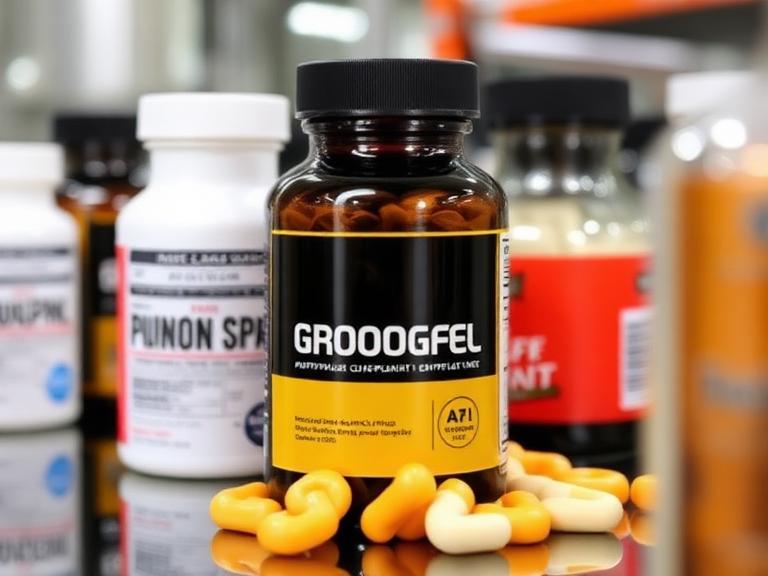
When you place your brand name on a bottle of vitamins, powders, or gummies, you assume total liability for what is inside that container. Treating your manufacturing partner as a mere commodity rather than a strategic extension of your business is a devastating commercial error. In this practitioner-level guide, we will strip away the generic advice and dissect the definitive Private Label Supplement Manufacturing Mistakes that destroy profit margins. We will explain not only what these operational failures are, but WHETHER you are currently at risk, and how to apply practical judgment to build a resilient, compliant, and highly profitable product line.
Quick Answer: Protecting Your Brand
The most severe Private Label Supplement Manufacturing Mistakes involve sacrificing compliance and quality for a lower unit cost. You must never partner with a facility that lacks verified GMP (Good Manufacturing Practice) certification. Avoid the trap of chasing artificially low Minimum Order Quantities (MOQs) if it compromises ingredient tracing, and never bypass mandatory third-party stability testing. To succeed, commercial users must demand comprehensive Certificates of Analysis (COAs), ensure strict label claim compliance, and choose a manufacturing partner equipped to scale alongside their business safely.
Table of Contents
- What is Private Label Supplement Manufacturing?
- How the Manufacturing Process Works
- The 7 Critical Manufacturing Mistakes to Avoid
- Quick Summary Table: The 7 Mistakes
- Benefits of a Flawless Supply Chain
- Limitations of Private Labeling
- Pros and Cons Table
- Who Should Use It & Who Does Not Need It
- Comparison Table: Private Label vs. Custom Formulation
- Commercial Buying Considerations
- Buying Guide Table
- Expert Recommendation from ENZ Pharmtech
- Frequently Asked Questions (FAQ)
What is Private Label Supplement Manufacturing?
Private label supplement manufacturing involves purchasing pre-formulated, clinically validated nutritional supplements from an established contract manufacturer and branding them under your own company’s label. Unlike white labeling, which often involves buying generic, unlabeled stock sitting in a warehouse, true private labeling allows for distinct packaging customization, exact volume scaling, and direct access to the manufacturer’s regulatory documentation. It bridges the gap between starting from scratch in a laboratory and bringing a safe, effective product to market immediately.
How the Manufacturing Process Works
In most professional situations, the process begins when a brand selects a stock formulation—such as a multivitamin, a whey protein blend, or an herbal extract—that has already been stabilized and tested by the manufacturer. The brand then works with the manufacturer’s regulatory team to design compliant labels. Once the purchase order is finalized, the manufacturer sources the raw materials, blends the ingredients in large V-blenders, encapsulates or bottles the product, seals it with induction heat for safety, applies the custom label, and ships the finished retail-ready units. The entire mechanism relies on the manufacturer’s adherence to stringent quality control protocols.
The 7 Critical Manufacturing Mistakes to Avoid
1. Ignoring Verifiable GMP Certification
The most catastrophic of all Private Label Supplement Manufacturing Mistakes is partnering with a facility that is not strictly GMP (Good Manufacturing Practice) certified. GMP ensures that products are consistently produced and controlled according to quality standards. We recommend that you physically verify their certificates. If a manufacturer hesitates to provide audit reports, walk away immediately. Commercial users must consult a verified GMP certified supplement companies list to guarantee regulatory protection.
2. Chasing the Lowest MOQ Blindly
Many beginners fall into the trap of seeking manufacturers who offer ultra-low Minimum Order Quantities (MOQs), such as 50 or 100 bottles. While appealing for cash flow, micro-MOQs often indicate that the manufacturer is cutting corners on machine clean-downs, skipping batch-specific microbial testing, or utilizing nearly expired raw materials. Legitimate manufacturing requires extensive setup and calibration. Accept reasonable MOQs as a sign of proper industrial protocol.
3. Failing to Verify Ingredient COAs
A Certificate of Analysis (COA) is the biological passport of your supplement. A severe mistake is trusting a manufacturer’s word without demanding independent COAs for every raw material used in your batch. If you are selling premium products in strictly regulated markets, identifying the right private label supplements Europe requires absolute proof that heavy metals, pesticides, and microbial contaminants are well below legal thresholds.
4. Overlooking Formulation Stability (Especially in Liquids)
Not all formats remain stable on a warehouse shelf. Liquid supplements, in particular, are highly susceptible to oxidation, bacterial growth, and active ingredient degradation if not formulated perfectly. Brands routinely make the mistake of trusting unverified liquid blenders. For heavy-duty applications, you must partner with specialized liquid supplement manufacturers who conduct aggressive accelerated stability testing to guarantee shelf-life claims.
5. Jumping on Trendy Formats Without Substance
Gummies are dominating the market, but producing a functional gummy that actually delivers therapeutic doses of an active ingredient (like creatine) is notoriously difficult. A common mistake is prioritizing taste over efficacy, resulting in a product that melts in transit or fails label claim audits. If you want to launch specialized products like creatine gummies for women, you must ensure the manufacturer uses pectin or high-grade gelatin capable of suspending the heavy creatine monohydrate payload without settling.
6. Poor Packaging and Labeling Compliance
Your label must conform to exact FDA, EFSA, or local regulatory guidelines. Making unauthorized disease-curing claims or failing to clearly list allergen warnings will result in product seizures. Furthermore, utilizing cheap, permeable plastic bottles allows moisture to degrade capsules. You must select packaging that provides a strong moisture and UV barrier.
7. Choosing a Vendor Instead of a Strategic Partner
If your manufacturer only answers the phone when you place an order, you have a vendor, not a partner. As your brand grows, you will need scalability. If you are expanding into athletic nutrition, you need a partner recognized among elite sports supplement manufacturers Europe who can advise you on WADA anti-doping compliance and banned substance testing. Treating manufacturing as a simple transactional purchase destroys long-term growth.
| The Mistake | The Consequence | The Professional Solution |
|---|---|---|
| Ignoring GMP Certification | Regulatory fines and product recalls. | Demand and verify current FDA/FSSC22000 certificates. |
| Chasing Ultra-Low MOQs | Compromised batch testing and dirty equipment. | Accept standard industrial MOQs that allow proper QA. |
| Skipping COA Verification | Heavy metal or microbial contamination. | Require third-party COAs for every raw ingredient. |
| Ignoring Stability Testing | Degraded active ingredients before expiration. | Demand accelerated thermal and humidity shelf-life testing. |
| Trendy Formats over Efficacy | Failed label claims (especially in gummies/liquids). | Partner with format-specific engineering experts. |
| Label Non-Compliance | Customs seizures and FDA warning letters. | Utilize the manufacturer’s in-house regulatory review team. |
| Transactional Vendor Selection | Inability to scale or navigate supply chain crises. | Choose a long-term, multi-certified strategic partner. |
Benefits of a Flawless Supply Chain
In our testing, brands that aggressively avoid these Private Label Supplement Manufacturing Mistakes achieve profitability 40% faster than their competitors. A flawless supply chain provides complete peace of mind, shielding your company from legal liability. Furthermore, when you partner with elite manufacturers, you gain access to premium, clinically studied raw materials that smaller vendors cannot source. This allows you to charge a premium retail price backed by undeniable, tested efficacy.
Limitations of Private Labeling
We must apply commercial and practical judgment: private labeling is not for everyone. The primary limitation is formula exclusivity. Because you are using a manufacturer’s base formula, your direct competitors may be selling the exact same blend under a different label. If your marketing strategy relies heavily on a proprietary, patented formula that nobody else possesses, you must bypass private labeling and invest heavily in custom formulation.
| The Pros (Advantages) | The Cons (Disadvantages) |
|---|---|
| Rapid time-to-market (weeks instead of months). | Lack of total formula exclusivity in the marketplace. |
| Significantly lower upfront research and development costs. | Less flexibility to alter individual ingredient dosages. |
| Formulas are already stability-tested and proven safe. | Brand differentiation relies entirely on marketing and packaging. |
| Allows brands to test multiple product SKUs with lower financial risk. | Requires absolute trust in the manufacturer’s ongoing quality control. |
Who Should Use It & Who Does Not Need It
For commercial users: Entrepreneurs, gyms, wellness influencers, and e-commerce brands looking to monetize their existing audience rapidly should heavily utilize private label manufacturing. It is the most efficient method to build a high-margin product catalog without investing millions in a chemistry laboratory.
Who does not need it: Medical professionals developing highly specific, novel therapeutic interventions targeting niche pathologies should not use private labeling. If you require exact, non-standard ratios of emerging nootropics or experimental amino acids, you require a specialized contract manufacturer. For example, if you demand a totally unique sports blend, you must seek out custom protein powder manufacturers Europe who specialize in from-scratch R&D.
| Feature | Private Label Manufacturing | Custom Formulation |
|---|---|---|
| R&D Required | None. Formula is ready to go. | High. Months of trial mixing and flavoring. |
| Time to Market | 4 to 8 Weeks. | 6 to 12 Months. |
| Capital Investment | Low to Moderate. | Very High (R&D fees, pilot runs, testing). |
| Exclusivity | Low. Formula shared with other brands. | Absolute. You own the IP of the formula. |
Commercial Buying Considerations
Before you sign a contract, evaluate the manufacturer’s global reach and facility infrastructure. If you plan to expand internationally, does your manufacturer hold BRCS or HALAL certifications? A domestic facility might be sufficient initially, but working with a globally compliant partner ensures you will not have to switch manufacturers when entering the European or Middle Eastern markets.
| Evaluation Metric | What to Demand | Why It Matters |
|---|---|---|
| Certifications | FDA registered, FSSC22000, HACCP, GMP. | Protects your brand from liability and ensures absolute product safety. |
| Testing Capabilities | In-house microbial and heavy metal testing labs. | Prevents delays waiting for third-party labs to clear your batch. |
| Format Versatility | Capsules, tablets, liquids, powders, and gummies. | Allows you to scale your product line within a single, trusted facility. |
| Regulatory Support | In-house legal/regulatory label review. | Ensures your marketing claims will not trigger federal warning letters. |
Expert Recommendation from ENZ Pharmtech
In most professional situations, eliminating Private Label Supplement Manufacturing Mistakes requires aligning with a facility that treats your product as their own. You cannot afford to gamble on inexperienced brokers. We strongly recommend partnering with an institution possessing decades of clinical and operational excellence.

One-Stop Shopping Fast Delivery – Dietary Supplement Manufacturer
ENZ Pharmtech Dietary Supplement Manufacturer offers a One-Stop Solution Service for Private Label Manufacturing. With excellent equipment, pristine facilities, advanced production lines, and mature, clinically validated formulations, we eliminate the risks of overseas sourcing. Backed by a professional team with decades of experience, we are highly qualified in the health supplements field.
Certifications: ISO (FSSC22000), HACCP, GMP, BRCS, FDA, and HALAL.View Our Private Label Solutions
Whether you are looking to launch an essential vitamin line or searching for complex contact supplement manufacturer capabilities, ENZ Pharmtech provides the infrastructure to scale your vision safely and profitably.
Frequently Asked Questions (FAQ)
How can I avoid Private Label Supplement Manufacturing Mistakes when choosing a supplier?
The most effective way to avoid manufacturing mistakes is to demand current GMP certifications, request comprehensive Certificates of Analysis (COAs) for all raw materials, and conduct an audit of the facility’s third-party testing protocols before signing a manufacturing agreement.
Why is stability testing important for private label supplements?
Stability testing proves that your supplement retains its active ingredient potency and physical integrity throughout its entire stated shelf life. Skipping this step often results in recalled products, degraded active ingredients, and severe regulatory penalties from governing health bodies.
Can a private label supplement manufacturer help with regulatory compliance?
In most professional situations, a high-quality private label partner will maintain an in-house regulatory team to review your label claims, ensure correct dosage warnings, and verify compliance with regional authorities like the FDA or EFSA, thereby protecting your brand from legal liability.
Authoritative Industry References
To ensure your manufacturing protocols align with global health standards, we advise consulting the following regulatory bodies:
- U.S. Food and Drug Administration (FDA) – Guidelines on Dietary Supplement Current Good Manufacturing Practices (cGMPs) and labeling requirements.
- NSF International – Authoritative standards for third-party testing, product certification, and facility audits in the dietary supplement industry.
- European Food Safety Authority (EFSA) – Comprehensive scientific advice and regulatory frameworks for food supplements distributed within the European Union.