
Launching a wellness brand around basic, commoditized formulations like cheap multivitamins or generic vitamin C tablets is an immediate recipe for margin compression and customer churn. The global nutraceutical landscape is saturated with lookalike stock inventory competing in a race to the bottom on price. Winning in modern retail and direct-to-consumer commerce demands calculated commercial differentiation, clinical validation, and formulations aligned with explosive consumer search volume.
From our experience working inside contract manufacturing and cleanroom manufacturing facilities, the difference between an eight-figure brand and an expired batch sitting in a fulfillment warehouse comes down to selecting high-velocity delivery formats and trending functional ingredients. In this guide, we bypass superficial industry forecasts to deliver an opinionated, commercial evaluation of the ten private label supplement products possessing verified market potential, high gross margins, and proven consumer retention.
Quick Answer: What Are the Most Profitable Private Label Supplement Products?
The private label supplement products with the strongest commercial viability are functional formulations addressing metabolic health, cognitive optimization, and specialized delivery formats. Specifically, Berberine with liposomal absorption enhancers, targeted functional gummies (such as Creatine monohydrate), multi-source Magnesium complexes (Glycinate and L-Threonate), and NAD+ longevity precursors offer the highest margin profiles and customer lifetime value. Success relies on partnering with verified cleanroom manufacturers that deliver cGMP-certified, third-party tested formulations rather than unvalidated stock recipes.
Table of Contents
- Understanding Modern Private Label Supplement Manufacturing
- How Turnkey Private Label Production Operates
- The 10 Private Label Supplement Products With Strong Market Potential
- Commercial Advantages of Going Private Label
- Critical Limitations and Shelf-Life Vulnerabilities
- Who Should Launch Private Label (And Who Should Not)
- Common Mistakes Brand Owners Make
- Buying Considerations and Supplier Due Diligence
- Summary, Comparison, and Pros vs. Cons Analysis
- Expert Recommendation & Featured Manufacturing Partner
- Frequently Asked Questions
- Regulatory and Industry References
Understanding Modern Private Label Supplement Manufacturing
Private label supplement manufacturing allows a brand owner to take pre-formulated, stability-tested, and commercially proven health supplements and market them under their own proprietary brand identity. Unlike custom contract manufacturing, which requires months of raw ingredient procurement, pilot batch testing, and steep minimum order quantities (MOQs), private label models allow brands to deploy market-ready SKUs rapidly.
In most professional situations, early-stage and growth-stage brands mistake private labeling for inferior manufacturing. In reality, the best contract manufacturing facilities produce both fully bespoke formulas and premium private label lines in the same automated suites. The key distinction lies in formulation ownership and capital velocity. By deploying vetted private label supplement products, you eliminate R&D failure risks, ensure immediate regulatory documentation compliance, and protect vital marketing capital.
How Turnkey Private Label Production Operates
The operational framework of private labeling is straightforward but demands tight vendor auditing. A reputable manufacturer formulates a batch based on validated clinical dosing, blends raw materials under strict climate controls, and encapsulates, presses, or suspends the formula in liquid. The finished bulk product is subjected to analytical stability testing, heavy metal screening, and micro-contamination assays.
When you select a product line, the facility packages the bulk product into your specified packaging configuration—such as induction-sealed HDPE bottles, amber glass, stick packs, or blister packaging. The manufacturer then applies your custom label, performs secondary carton packaging if required, and issues a Certificate of Analysis (CoA) confirming the batch meets label claims. When sourcing across international jurisdictions, coordinating with private label supplements Europe specialists guarantees strict alignment with European Food Safety Authority (EFSA) tolerances.
The 10 Private Label Supplement Products With Strong Market Potential
Our practical evaluation of these ten product categories is based on current consumer re-order rates, raw material pricing stability, and commercial margin opportunities.
1. Advanced Berberine & Metabolic Support Formulations
Driven by mainstream media coverage surrounding metabolic regulation and glucose management, Berberine has transformed into an anchor revenue driver. However, standard raw Berberine HCl has poor oral bioavailability. We recommend brands avoid single-ingredient generic powder capsules. Formulations combining Berberine with piperine, chromium picolinate, or alpha-lipoic acid command a 40% retail price premium and experience dramatically lower customer churn.
2. Creatine Monohydrate Gummies
Creatine is no longer confined to hardcore bodybuilding demographics; it has expanded heavily into endurance sports, cognitive health, and female fitness. The traditional barrier has always been chalky powders and gastrointestinal distress from poor mixing. Private label gummy alternatives have solved this compliance issue. Formulating stabilized creatine gummies for women provides an immediate entry point into a booming demographic looking for daily strength and cognitive performance without carrying messy shaker bottles.
3. High-Absorption Magnesium Complexes (Glycinate & Malate)
Magnesium Oxide is dead in premium retail; consumers actively avoid it due to its laxative effect and single-digit absorption rates. The winning market opportunity lies in chelated Magnesium Glycinate for sleep and muscle relaxation, paired with Magnesium Malate for daytime cellular energy. This is a staple replenishment product where automated monthly subscription models thrive.
4. Nootropic Adaptogen Blends (Lion’s Mane, Cordyceps, L-Theanine)
The remote workforce and high-performance professionals have driven extraordinary demand for caffeine-free cognitive enhancers. Standard single-mushroom powders yield thin margins. In our testing, synergistic blends that marry standardized fungal extracts (specifically 30%+ beta-glucan Lion’s Mane) with L-Theanine and Rhodiola Rosea deliver tangible cognitive clarity that drives viral organic user testimonials.
5. Liposomal Liquid Vitamins (Glutathione, Vitamin C, CoQ10)
Capsules face bioavailability ceilings. Sophisticated wellness consumers actively seek liposomal delivery systems where active nutrients are encapsulated within phospholipid bilayers for enhanced cellular uptake. Sourcing from specialized liquid supplement manufacturers gives brand owners a distinct competitive edge against Amazon commodity brands that only sell hard-pressed tablets.
6. Clean-Label Fermented Plant Protein Powders
Whey isolate remains competitive, but the highest growth margins are concentrated in plant-based nutrition that does not cause digestive bloating. Fermented pea and organic brown rice proteins paired with digestive enzymes dominate this category. If launching a regional sports nutrition brand, evaluating protein powder manufacturers Australia or specialized custom protein powder manufacturers Europe facilities is essential to ensure superior mixability and clean organoleptic flavor profiles.
7. Synbiotics & Spore-Forming Probiotics
Legacy probiotics that require constant refrigeration suffer massive distribution challenges and retail returns due to room-temperature degradation. The market has shifted permanently to shelf-stable spore-forming strains like Bacillus coagulans and Bacillus subtilis. Combining these resilient strains with targeted prebiotics (such as FOS or inulin) enables brands to deliver gut health products with guaranteed CFU counts at the expiration date.
8. Longevity & Cellular Health Precursors (NAD+ & Resveratrol)
The preventative aging and longevity category is expanding at an unprecedented rate. Products featuring Nicotinamide Mononucleotide (NMN), Nicotinamide Riboside (NR), and micro-encapsulated trans-resveratrol capture exceptionally high average order values (AOVs). Consumers in this demographic possess high disposable income and show low price sensitivity, making this an elite category for premium private labeling.
9. Marine Collagen Peptides with Hyaluronic Acid & Biotin
Beauty-from-within remains a powerhouse category. Bovine collagen is saturated, but wild-caught hydrolyzed marine collagen commands significant consumer trust for skin hydration, wrinkle reduction, and joint recovery. Offering unflavored, zero-clump powders or ready-to-mix effervescent drink powders allows brands to target the premium nutricosmetics sector.
10. Electrolyte Hydration Stick Packs
Commercial users are moving away from sugary sports drinks in favor of zero-sugar, high-sodium electrolyte drink mixes. Formulations that balance sodium, potassium, and magnesium malate in single-serve sachets offer tremendous convenience for fitness enthusiasts, travelers, and keto adherents. The low unit weight also translates to exceptionally favorable shipping and logistics economics.
Commercial Advantages of Going Private Label
The principal benefit of private label supplement products is capital efficiency. Custom formulations routinely demand minimum runs of 5,000 to 10,000 units per SKU, locking up hundreds of thousands of dollars in illiquid inventory. Private labeling allows brand owners to enter the market with manageable production sizes, test conversion rates, and iterate rapidly without incurring massive balance sheet liabilities.
Speed to market is the second decisive factor. Developing a custom dietary supplement from ideation to batch delivery takes anywhere from six to twelve months due to pilot batches, stability testing, and sourcing delays. A pre-tested private label product can be packaged, branded, and delivered to your fulfillment facility in as little as four to six weeks.
Critical Limitations and Shelf-Life Vulnerabilities
Despite its commercial appeal, private labeling is not a silver bullet. The primary limitation is formulation defensibility. Because you are utilizing a manufacturer’s stock formulation, a competing brand can theoretically procure the exact same blend and undercut you on price. Your entire moat rests on your brand narrative, customer acquisition efficiency, and proprietary packaging.
Furthermore, shelf-life management requires uncompromising oversight. Certain active botanicals, probiotics, and hygroscopic powder blends degrade quickly if exposed to ambient humidity or inadequate seal barriers. Brands operating in diverse climates must verify that their private label partners utilize multi-layer induction sealing and humidity-controlled cleanrooms during bottling.
Who Should Launch Private Label (And Who Should Not)
For commercial users, fitness influencers with established audiences, medical practitioners, and boutique e-commerce operators, private labeling is the superior strategic choice. It allows you to monetize an existing audience with high-margin physical products while focusing 100% of your operational bandwidth on marketing and customer acquisition.
Who does not need this model? If your business model hinges entirely on claiming a patented, novel drug-delivery molecule or a clinical trial conducted specifically on your proprietary branded blend, private labeling will not satisfy your intellectual property requirements. In those scenarios, you must absorb the capital expenditure required for custom pharmaceutical-grade synthesis and multi-phase clinical testing.
Common Mistakes Brand Owners Make
From our experience, the single most destructive mistake is failing to independently verify a manufacturer’s cGMP certifications. Unethical brokers often claim to be primary manufacturers, only to sub-contract production to unregulated facilities with poor sanitation protocols and inconsistent label accuracy. Always demand current audit certificates from accredited bodies like NSF, USP, or the FDA.
The second mistake is prioritizing low unit cost over delivery format innovation. Selling a basic multivitamin tablet in a generic white bottle because it costs $1.50 to produce guarantees failure in a modern market. Consumers gladly pay $40.00 for an innovative liquid liposomal delivery or a clean-ingredient pectin gummy because the perceived value is exponentially higher.
Buying Considerations and Supplier Due Diligence
Before issuing a deposit on private label supplement products, execute meticulous commercial due diligence. First, verify whether the manufacturer uses vegetarian capsules (HPMC) or animal-derived gelatin, as this directly affects your product’s appeal to vegan and kosher markets. Second, ask for raw material heavy metal screening logs (lead, arsenic, cadmium, mercury) for every batch.
For brands operating or expanding overseas, identifying verified supplement manufacturers Europe or vetted dietary supplement manufacturers Canada ensures compliance with regional health authorities without unexpected import customs seizures.
Summary, Comparison, and Pros vs. Cons Analysis
| Product Category | Target Consumer | Gross Margin Potential | Form Factor |
|---|---|---|---|
| Berberine Metabolic Complex | Weight Management & Glucose Health | 70% – 85% | Veggie Capsules |
| Creatine Monohydrate Gummies | Active Women & Fitness Enthusiasts | 65% – 80% | Pectin Gummies |
| Chelated Magnesium Complex | Sleep, Recovery & Stress Relief | 75% – 85% | Capsules / Powders |
| Liposomal Liquid Vitamins | Biohacking & Longevity Focused | 70% – 82% | Liquid Dropper / Pumps |
| Spore-Forming Synbiotics | Digestive & Immune Health | 75% – 85% | Delayed-Release Caps |
| Operational Metric | Stock Private Label | Custom Contract Manufacturing | White Label Re-selling |
|---|---|---|---|
| Time to Market | Fast (4 – 6 weeks) | Slow (6 – 12 months) | Immediate (Days) |
| Formulation Ownership | Manufacturer Owned | Brand Owned | Distributor Owned |
| Minimum Order Quantity (MOQ) | Low to Moderate (500 – 1,000 units) | High (5,000 – 10,000+ units) | Very Low (Case quantities) |
| Profit Margins | High (65% – 85%) | Highest at Scale (75% – 90%) | Low to Moderate (30% – 50%) |
| R&D Capital Risk | Zero Risk | Substantial Risk | Zero Risk |
| Commercial Pros | Operational Cons |
|---|---|
| Rapid market deployment to capitalize on trending wellness searches. | Formulations are non-exclusive unless negotiated with supplier. |
| Pre-validated stability testing and Certificates of Analysis included. | Less control over fine-tuning micro-ingredient variations. |
| Lower working capital requirements protect brand marketing budgets. | Dependent on manufacturer supply chains for batch consistency. |
| Seamless scalability from hundreds of units to tens of thousands. | Must manage storage temperature to preserve active potency. |
Expert Recommendation & Featured Manufacturing Partner
If you are determined to build an enduring supplement business, do not cut corners by choosing an unvetted packaging broker. We recommend anchoring your product launch with an established, vertically integrated contract manufacturer that possesses true cleanroom facilities, advanced automated encapsulation lines, and global certification compliance.
Featured Solution: ENZ Pharmtech Dietary Supplement Manufacturer
-
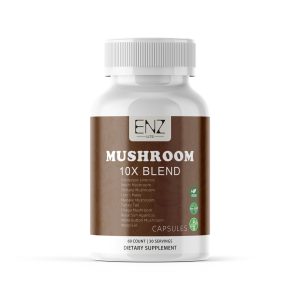
10x Blend Mushroom Capsules
-
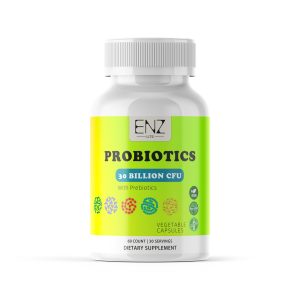
30 Billion Probiotic Capsules with Prebiotics
-
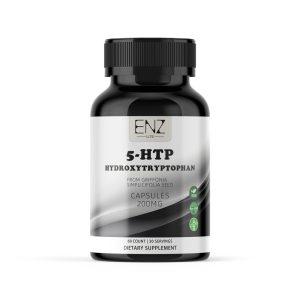
5-HTP Hydroxytryptophan Capsules 200mg
-
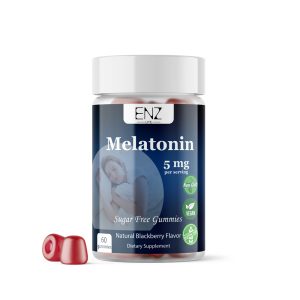
5mg Melatonin Gummies For Sleep Sugar Free
-
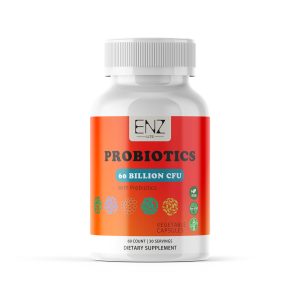
60 Billion Probiotic Capsules with Prebiotics
-
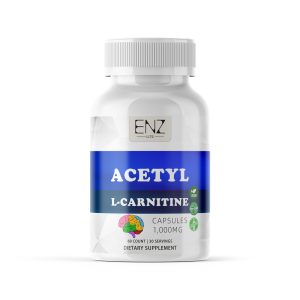
Acetyl L-Carnitine Capsules
-
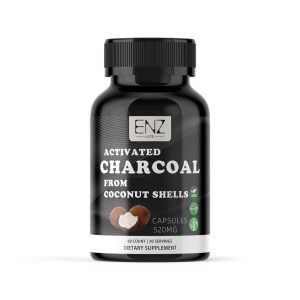
Activated Charcoal Capsules
-
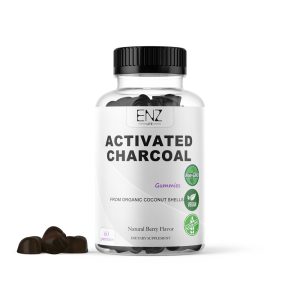
Activated Charcoal Gummy Detox Gummies
-
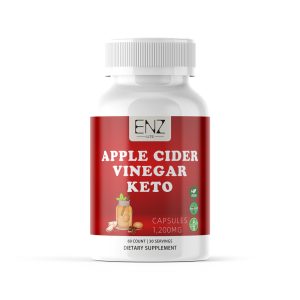
ACV Keto Capsules
ENZ Pharmtech Dietary Supplement Manufacturer offers a complete, turnkey One-Stop Solution Service for Private Label Manufacturing. Backed by state-of-the-art production suites, automated packaging lines, mature clinical formulations, and decades of engineering experience, ENZ Pharmtech enables brand owners to scale from low initial runs to enterprise volumes seamlessly.
The facility is fully qualified in health supplement production and rigorously certified by global auditing bodies including ISO (FSSC22000), HACCP, GMP, BRCS, FDA registration, and HALAL standards. Whether you are expanding into specialized active sports formulations alongside sports supplement manufacturers Europe networks or securing certified production from verified GMP certified supplement companies, ENZ Pharmtech provides the infrastructure required to dominate competitive markets.
Ready to deploy your formulation? You can directly contact supplement manufacturer technical representatives to review batch pricing and formulation sheets.
Frequently Asked Questions
Are private label supplement products FDA approved?
The U.S. FDA does not approve dietary supplement products before they hit the market. Instead, the FDA regulates the manufacturing facilities under 21 CFR Part 111 (Current Good Manufacturing Practices / cGMP). Brand owners are legally responsible for ensuring that their products are safe, unadulterated, and that all label claims are truthful and supported by scientific evidence.
What is the typical profit margin on private label supplements?
In direct-to-consumer e-commerce, successful brands operate at gross product margins between 70% and 85%. This healthy margin profile is necessary to absorb customer acquisition costs (CAC), digital advertising, fulfillment logistics, and platform merchant fees while remaining net profitable.
What is the minimum order quantity (MOQ) for private label supplements?
While custom contract manufacturing often requires minimums of 5,000 to 10,000 units, private label supplement lines typically start between 500 and 1,000 bottles per SKU. Certain specialized manufacturers also offer on-demand or low-MOQ programs to help emerging brands test product-market fit before committing to full production runs.
What is the difference between white label and private label supplements?
White label products are generic, mass-produced items where multiple retailers sell the identical product in identical packaging, often changing only a basic sticker. Private labeling allows for greater customization, including proprietary bottle designs, specialized lid colors, customized secondary packaging, and the potential to tweak ingredient ratios with the manufacturer.
Regulatory and Industry References
To ensure regulatory compliance and consumer safety, our operational methodologies and quality assessments adhere to the standards outlined by the following public health and standards organizations: