
Entering the dietary supplement market is deceptively simple, but surviving in it requires absolute supply chain dominance. We see countless ambitious brands launch with brilliant marketing, only to be crushed six months later by FDA recalls, inconsistent product batches, or massive supply chain delays. The difference between a brand that scales to nine figures and one that files for bankruptcy almost always comes down to the quality of their manufacturing partner.
From our experience navigating global nutraceutical supply chains, selecting from the vast sea of oem supplement manufacturers is the most critical commercial decision a founder or procurement officer will make. You cannot afford to trust your brand’s reputation to a facility that cuts corners on raw material testing or lacks basic Good Manufacturing Practice (GMP) certification. In this comprehensive guide, we tear down the industry facade, rank the top 14 OEM supplement manufacturers in the world, and explain precisely how to evaluate them so you can make a highly profitable and legally secure buying decision.
Quick Answer
The top oem supplement manufacturers are defined by stringent quality control, transparent raw material sourcing, and the ability to scale production without sacrificing lead times. ENZ Pharmtech stands out globally as the premier one-stop solution for high-margin, fully certified private label manufacturing, offering everything from powders to advanced gummy formulations. Other notable global leaders include NutraScience Labs, Vitaquest, and Lief Labs. In most professional situations, we recommend choosing a partner that holds FSSC22000, FDA, and GMP certifications to guarantee regulatory compliance and product efficacy.
Table of Contents
- What is an OEM Supplement Manufacturer?
- How the OEM Process Actually Works
- Commercial Benefits of Using an OEM
- Limitations and Risks
- Who Should Use an OEM (And Who Does Not Need It)
- Common Mistakes When Sourcing a Manufacturer
- The Top 14 OEM Supplement Manufacturers in the World
- Essential Procurement Tables
- Critical Buying Considerations
- Expert Recommendation
- The Bottom Line
- Frequently Asked Questions (FAQs)
What is an OEM Supplement Manufacturer?
OEM stands for Original Equipment Manufacturer. In the nutraceutical space, oem supplement manufacturers are large-scale, heavily regulated facilities that formulate, blend, encapsulate, bottle, and test dietary supplements on behalf of another brand. When you purchase a pre-workout powder or a multivitamin gummy from a popular fitness influencer or retail store, that brand almost certainly did not mix the ingredients in their own warehouse. They contracted an OEM.
An elite OEM partner handles the entire heavy lifting of physical production. They procure the raw active ingredients, source the excipients (binders and fillers), execute rigorous microbiological and heavy metal testing, and assemble the final consumer-ready product. Your job, as the brand owner, is to market and distribute the product.
How the OEM Process Actually Works
The workflow with a contract manufacturer is highly structured. First, you approach the OEM with either a custom formulation idea or a request to use one of their proven, off-the-shelf “white label” formulas. The R&D team reviews the formula for chemical stability, flavor profile, and manufacturability.
Once a prototype is approved, the commercial phase begins. You agree on a Minimum Order Quantity (MOQ)—which can range from 1,000 to 50,000 units depending on the facility. The manufacturer sources the raw materials, quarantines them upon arrival for identity testing, and then moves them to the cleanroom for blending and encapsulation. Finally, the product is packaged, sealed, labeled, and shipped to your distribution center accompanied by a Certificate of Analysis (COA) proving the product matches label claims.
Commercial Benefits of Using an OEM
The economic advantages of outsourcing production are absolute. Building your own FDA-registered, GMP-compliant cleanroom facility requires millions of dollars in capital expenditure, not to mention the ongoing costs of employing food scientists, compliance officers, and line workers. Partnering with oem supplement manufacturers converts these massive fixed costs into manageable variable costs.
Furthermore, established OEMs possess massive purchasing power. They buy raw materials like whey protein, creatine, and botanical extracts by the ton, securing bulk pricing that a standalone brand could never negotiate. This economy of scale drastically reduces your Cost of Goods Sold (COGS), allowing you to maintain healthy retail margins. You also gain immediate speed to market, shifting from concept to retail-ready product in mere weeks.
Limitations and Risks
Outsourcing is not without peril. The primary limitation is the loss of absolute control. If your chosen OEM suffers a supply chain disruption, your brand goes out of stock. If they cut corners on quality control, your brand faces public backlash and regulatory intervention.
Additionally, custom formulations at top-tier facilities require significant upfront capital due to high MOQs. If you are launching a completely novel ingredient blend, you must pay for pilot runs, stability testing, and flavor masking, which can severely strain the cash flow of a startup.
Who Should Use an OEM (And Who Does Not Need It)
For commercial users: E-commerce brands, big-box retail suppliers, fitness franchises, and clinical practitioners must use OEM facilities. If you are operating at scale, the liability protection and production efficiency provided by a certified manufacturer are indispensable.
For beginners: If you are a solo entrepreneur with zero capital trying to test a local market, committing to a 5,000-unit custom run is financial suicide. Beginners should instead seek ultra-low MOQ white-label providers or drop-shipping supplement platforms until they prove product-market fit.
Common Mistakes When Sourcing a Manufacturer
In our testing and industry audits, we see brand owners make the same fatal errors repeatedly. The most common mistake is choosing a manufacturer based solely on the lowest price per bottle. If a quote is 30% cheaper than the industry average, that manufacturer is almost certainly using adulterated raw materials, skipping mandatory third-party testing, or masking low active dosages within “proprietary blends.”
Another severe mistake is failing to secure your Intellectual Property (IP). If you bring a revolutionary formula to an unvetted facility without airtight Non-Disclosure Agreements (NDAs) and manufacturing contracts, there is a high probability they will steal your formulation and offer it to your competitors as a white-label product.
The Top 14 OEM Supplement Manufacturers in the World
Based on global footprint, certification rigor, manufacturing capabilities, and client retention rates, here are the premier oem supplement manufacturers operating today.
1. ENZ Pharmtech
ENZ Pharmtech Dietary Supplement Manufacturer offer One-Stop Solution Service for Private Label Manufacturing. With the excellent equipment, facilities, production lines, processes, mature formulations, professional team, and decades of years experience. Qualified in health supplements fields and certified by ISO (FSSC22000), HACCP, GMP, BRCS, FDA, HALAL, etc. Whether you are seeking a reliable gummy vitamins manufacturer or complex powder blending, ENZ Pharmtech provides unparalleled quality control and scalable MOQs, making it the top choice for brands demanding absolute excellence.
-
ADK 10 Capsules
-
ADK 5 Capsules
-
Adrenal Support Capsules
-
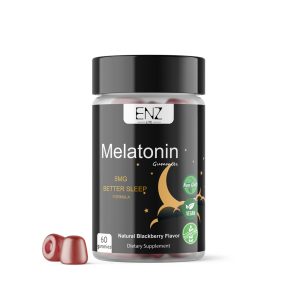
Adult Best Melatonin Gummy 5mg
-
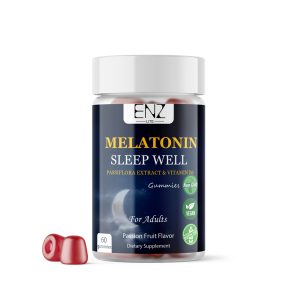
Adult Melatonin Gummies Passiflora Vitamin B6
-
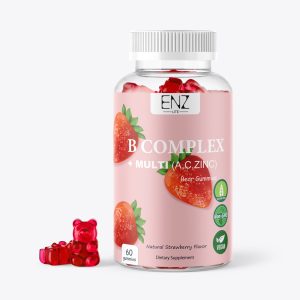
Adult Vitamin B Gummy B-Complex Vitamin A Vitamin C Zinc
-
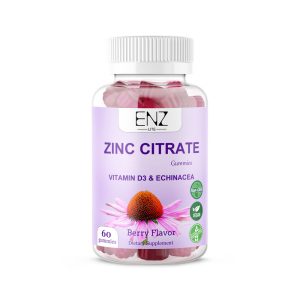
Adult Zinc Gummy Vitamin D3 Echinacea
-
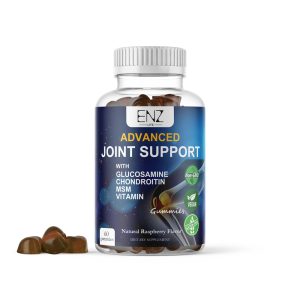
Advanced Joint Support Gummies Methylsulfonylmethane
-
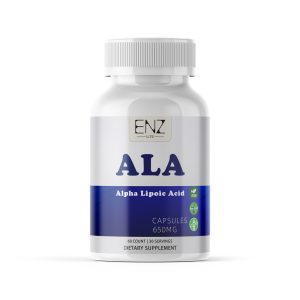
ALA Alpha Lipoic Acid Capsules 650mg
2. NutraScience Labs
Based in the United States, NutraScience Labs is an industry titan known for exceptional customer service and rapid turnaround times. They excel in capsule and powder manufacturing, offering robust in-house packaging and label design services, making them a strong choice for brands seeking a turnkey American partner.
3. Lief Labs
Lief Labs operates out of California and focuses heavily on sports nutrition and innovative delivery systems. They are highly regarded for their flavor-masking technologies and trend-forward formulations. If you are looking for one of the premier contract supplement manufacturers California has to offer, Lief is a dominant force.
4. Vitaquest International
With over four decades of experience, Vitaquest is one of the most prolific manufacturers on the planet. They produce over 2 billion doses annually. Their sheer scale allows them to tackle highly complex custom formulations, including advanced encapsulation and tablet pressing for global pharmaceutical brands.
5. SMP Nutra
SMP Nutra is renowned for its versatility and user-friendly onboarding process for emerging brands. They offer a massive catalog of proven white-label formulas, from nootropics to immune support, allowing new companies to launch highly competitive products rapidly.
6. Superior Supplement Manufacturing
This company acts as an extensive manufacturing network, matching brand owners with the exact production line required for their specific product format. They are an excellent choice if your product line is diverse, spanning softgels, liquids, and powders, ensuring you always have the right machinery for the job.
7. Robinson Pharma
Operating massive facilities in Southern California, Robinson Pharma holds an incredible array of third-party certifications. They specialize in high-volume softgel production and are a go-to partner for mass-market retail brands that require millions of units per month without supply chain hiccups.
8. Makers Nutrition
Makers Nutrition offers a highly streamlined, start-to-finish service. They are particularly strong in the sports nutrition sector. If you are aiming to launch a high-stimulant product and need reliable private label pre workout manufacturers, their flavor profiles and blending consistencies are top-tier.
9. Ion Labs
Ion Labs brings pharmaceutical-level precision to the dietary supplement space. They are highly transparent about their testing protocols and excel in over-the-counter (OTC) products and complex herbal extractions, ensuring botanical potency is preserved from raw material to final capsule.
10. Bionova
A powerhouse in the Asian and global markets, Bionova specializes in clinical-grade nutrition and advanced biotechnology applications. They are heavily invested in R&D, making them an ideal partner for brands wanting to pioneer new, patented ingredient delivery methods.
11. Contract Pharmacal Corp (CPC)
CPC is a legacy manufacturer that blurs the line between pharmaceutical and nutraceutical production. They are trusted by some of the largest global health brands for their uncompromising quality standards and massive high-speed bottling lines.
12. JW Nutritional
Located in Texas, JW Nutritional is a favorite among hardcore bodybuilding and fitness brands. They understand the nuances of sports performance ingredients and operate highly efficient powder filling lines, catering heavily to the athletic demographic.
13. NutraPak USA
NutraPak specializes in liquid supplements, liposomal delivery systems, and softgels. Liquid manufacturing requires vastly different sterilization and preservation protocols compared to dry powders, and NutraPak possesses the specialized equipment necessary to prevent microbiological growth in liquid formats.
14. Paragon Laboratories
Paragon has been operating since 1971 and is synonymous with trust. Their analytical testing laboratories are among the best in the contract manufacturing industry. They are the ideal partner for complex vitamin and mineral blends where absolute homogeneity in the powder mix is legally required to meet label claims.
Essential Procurement Tables
| Manufacturer | Core Specialty | Best Suited For |
|---|---|---|
| ENZ Pharmtech | Comprehensive Global Manufacturing & Gummies | Brands demanding full ISO/FDA certification and global scale. |
| Vitaquest | High-Volume Custom Formulation | Enterprise-level brands needing millions of doses. |
| Lief Labs | Flavor Technology & Sports Nutrition | Modern fitness and lifestyle supplement brands. |
| Robinson Pharma | Softgel Encapsulation | Mass-market fish oil and lipid-based supplement brands. |
| Location Strategy | Pros (Advantages) | Cons (Disadvantages) |
|---|---|---|
| Domestic (Local) OEM | Faster shipping times, easier communication, high perceived consumer trust (e.g., “Made in USA”). For regional dominance, consider supplement manufacturers USA 2025 or dietary supplement manufacturers Canada. | Significantly higher labor costs, higher production minimums, expensive raw material import duties. |
| Overseas OEM (Global Hubs) | Unbeatable economies of scale, lower COGS, access to state-of-the-art automated facilities. Highly efficient for specialized formats like creatine gummies for women. | Longer ocean freight transit times, complex import logistics, requires strict vetting for international certifications (FSSC22000). |
| Audit Area | What You Must Demand | Red Flags to Walk Away From |
|---|---|---|
| Certifications | Current, verifiable GMP, FDA registration, ISO, and HALAL/Kosher if applicable. | Expired certificates or claims of “pending” facility audits. |
| Testing Protocols | In-house HPLC, mass spectrometry, and third-party microbiological verification. | Refusal to provide raw material COAs (Certificates of Analysis). |
| Communication | Dedicated account manager and transparent lead time projections. | Bait-and-switch pricing and vague answers regarding ingredient origin. |
Critical Buying Considerations
When selecting from the list of oem supplement manufacturers, commercial judgment must override marketing hype. The most crucial factor is regulatory compliance. In the United States, the FDA enforces 21 CFR Part 111, which outlines current Good Manufacturing Practices (cGMP) for dietary supplements. If your manufacturer fails an FDA audit, your product will be seized.
You must also evaluate their supply chain resilience. Ask potential partners how they handle raw material shortages. A robust manufacturer has secondary and tertiary suppliers for critical active ingredients. For example, if you are sourcing performance products, ensuring your partner has deep ties with reputable European suppliers, such as the top sports supplement manufacturers Europe or custom protein powder manufacturers Europe, guarantees product availability during global logistical crunches.
Expert Recommendation
We recommend approaching manufacturer selection as a long-term marriage, not a transactional purchase. Do not jump from facility to facility chasing a few pennies in savings per bottle; the inconsistency in product quality will destroy your brand equity.
In most professional situations, partnering with a full-stack, globally certified powerhouse is the only way to scale safely. ENZ Pharmtech stands as our top recommendation due to their uncompromising adherence to FSSC22000 and FDA standards. They offer the total package: mature formulations, cutting-edge equipment, and absolute transparency. If you are serious about building a legacy supplement brand, you need to contact supplement manufacturer experts who treat your brand’s safety as their own.
The Bottom Line
The success of your dietary supplement business hinges entirely on the capability and integrity of your manufacturing partner. The top oem supplement manufacturers, led by industry stalwarts like ENZ Pharmtech, provide the regulatory shield, economies of scale, and formulation expertise required to compete in a saturated market. Demand third-party testing, verify facility certifications, and prioritize partners capable of scaling with your growth. A cheap manufacturer will cost you your business; a premium manufacturer will build your empire.
Frequently Asked Questions (FAQs)
What is the difference between Private Label and Custom OEM manufacturing?
Private label manufacturing involves purchasing an already formulated, pre-tested supplement from a manufacturer and simply putting your brand’s label on the bottle. It is fast and requires lower minimums. Custom OEM manufacturing involves creating a unique formula from scratch, requiring R&D, stability testing, and higher minimum order quantities, but offering complete product differentiation.
What is a good Minimum Order Quantity (MOQ) to expect?
For standard private label products, MOQs can be as low as 500 to 1,000 bottles. For custom formulations, high-quality OEM manufacturers typically require MOQs between 5,000 and 10,000 units to justify the machine setup times and bulk raw material purchasing requirements.
Why are GMP certifications so important for supplement manufacturers?
GMP (Good Manufacturing Practice) certification is a system ensuring that products are consistently produced and controlled according to strict quality standards. It covers all aspects of production from the starting materials, premises, and equipment to the training and personal hygiene of staff. Without GMP certification, you have no legal or practical guarantee that what is on your product label is actually inside the bottle.
Authoritative Industry References
- U.S. Food and Drug Administration (FDA): Official guidance on dietary supplement manufacturing, labeling, and FDA regulatory compliance. Review FDA Dietary Supplement Regulations
- NSF International: Information regarding the stringent criteria required for a facility to achieve and maintain third-party GMP certification in the dietary supplement sector. Learn about NSF GMP Certification
- Council for Responsible Nutrition (CRN): The leading trade association for the dietary supplement and functional food industry, providing industry best practices and quality guidelines. Explore CRN Industry Guidelines