
The health and wellness market is saturated with ambitious entrepreneurs who mistakenly believe that launching a supplement brand requires nothing more than a flashy logo and a Shopify store. This dangerous misconception leads to massive financial losses, regulatory nightmares, and warehouses full of unsold, expiring inventory. Turning a raw Private Label Supplement Idea into a market-ready, FDA-compliant finished product is an exercise in rigorous supply chain management, complex formulation chemistry, and strict quality control.
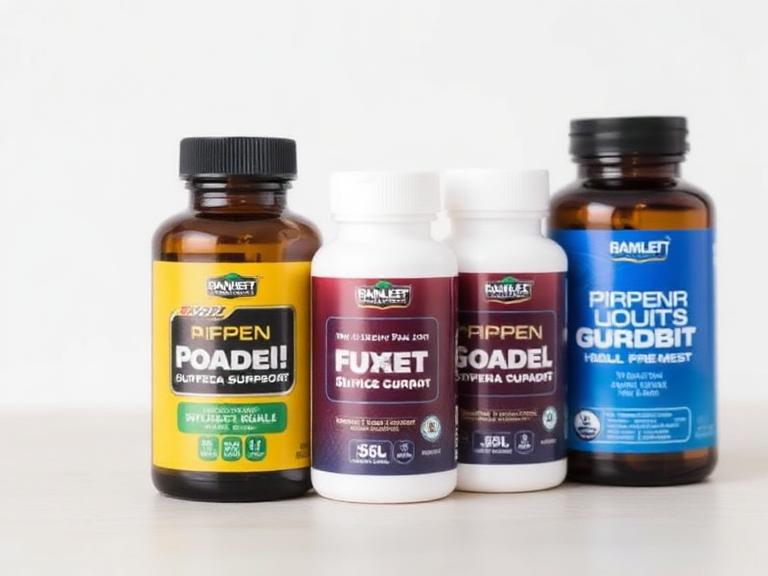
From our experience engineering and manufacturing high-performance dietary supplements at ENZ Pharmtech, we know that the bridge between concept and consumer is built on meticulous planning. You cannot afford to guess when dealing with ingestible products. Whether you are developing a pre-workout powder, nootropic capsules, or the next generation of creatine gummies for women, you must execute a sequential, uncompromising commercial strategy. In this guide, we break down the exact nine-step framework required to transform your initial concept into a profitable, scalable, and safe finished product.
Quick Answer
To successfully bring a Private Label Supplement Idea to market, you must follow a strict 9-step commercial pipeline: 1) Market Viability Analysis to ensure demand, 2) Formulation Strategy (choosing between pre-made white label or custom formulas), 3) Manufacturer Selection (verifying GMP, ISO, and FDA registrations), 4) Raw Material Sourcing & Compliance, 5) Prototyping & Organoleptic Testing, 6) Packaging & Label Design (ensuring strict regulatory compliance), 7) Third-Party Testing & QA, 8) Mass Production, and 9) Fulfillment & Go-To-Market. We recommend partnering with a fully integrated, certified facility to minimize supply chain friction and regulatory risks.
Table of Contents
- What It Is: The Private Label Process
- How It Works: The 9 Critical Steps
- Commercial Benefits of Private Labeling
- Limitations and Risks
- Who Should Launch a Private Label Brand
- Who Does Not Need This Model
- Common Mistakes to Avoid
- Critical Buying Considerations
- Expert Recommendation
- Summary and Comparison Tables
- Frequently Asked Questions
What It Is: The Private Label Process
A Private Label Supplement Idea is the conceptual starting point of contracting a third-party manufacturer to produce a dietary supplement that will be sold exclusively under your own brand name. In most professional situations, this involves taking a manufacturer’s proven, rigorously tested base formula and applying your bespoke branding to it. This differs significantly from contract manufacturing, where you supply a completely unique, ground-up chemical formula for the factory to produce.
Private labeling is the fastest, most capital-efficient pathway to market because it bypasses the years of clinical trials, stability testing, and flavor engineering required to build a product from scratch. You leverage the manufacturer’s existing economies of scale and certifications while retaining full control over your retail pricing, marketing, and distribution.
How It Works: The 9 Critical Steps
Step 1: Market Viability Analysis and Concept Refinement
Your Private Label Supplement Idea must solve a specific problem for a specific demographic. Entering the market with a generic “multivitamin” is a fast track to obscurity. You must identify a niche. Are you targeting endurance athletes, menopausal women, or biohackers? For commercial users, calculating unit economics at this stage is mandatory. If your target retail price cannot support a 70% to 80% gross margin over your landed cost of goods sold (COGS), the idea is not commercially viable.
Step 2: Formulation Strategy (White Label vs. Custom)
You must decide if you want to use a stock formula (white label) or slightly tweak an existing formula (private label/custom). For beginners, we unequivocally recommend starting with stock formulas. These formulas have already undergone stability testing and flavor optimization. If you insist on custom formulation to add a unique hero ingredient, expect higher Minimum Order Quantities (MOQs) and longer lead times.
Step 3: Finding a Certified Manufacturing Partner
This is the most critical decision in your business. A non-compliant manufacturer will destroy your brand. You must audit their certifications. If you are operating in North America, you should vet facilities against the standards held by the supplement manufacturers USA 2025 lists, or look into top-tier dietary supplement manufacturers Canada. The facility must hold current Good Manufacturing Practice (cGMP) certification, FDA registration, and ideally ISO or FSSC22000 credentials.
Step 4: Raw Material Sourcing and Compliance
Once you select a partner, they will source the raw active pharmaceutical ingredients (APIs). In heavy-duty applications, such as high-stimulant pre-workouts, the purity of the raw materials dictates the safety of the product. The manufacturer must provide Certificates of Analysis (COA) for every batch of raw material to prove it is free from heavy metals, microbial contamination, and adulterants.
Step 5: Prototyping and Organoleptic Testing
Never approve a product without tasting and testing it. In our testing, the organoleptic profile (taste, smell, texture, and mixability) is the primary driver of customer retention. If your custom protein powder clumps or tastes unpleasantly bitter, your customers will not buy it twice. Request physical samples from your chosen gummy vitamins manufacturer and test them rigorously before signing a mass production contract.
Step 6: Packaging and Label Design
Packaging is your silent salesperson. Beyond aesthetics, your labels must be strictly legally compliant. They must include a properly formatted Supplement Facts panel, allergen warnings, net weight declarations, and the mandatory FDA disclaimer (“This statement has not been evaluated by the Food and Drug Administration…”). We recommend consulting a regulatory attorney to review your label claims before printing.
Step 7: Third-Party Testing and Quality Assurance
After mass production begins, a reputable manufacturer will quarantine the finished goods until they pass final QA testing. This involves sending samples to an independent, third-party laboratory to verify that the active ingredients match the label claims and that the product remains free of microbiological contaminants like E. coli and Salmonella.
Step 8: Mass Production and Lead Times
Once QA is passed, the product goes into final bottling, capping, sealing, and labeling. In most professional situations, you should expect a lead time of 8 to 12 weeks for your first production run, depending on raw material availability. You must build this lead time into your marketing launch calendar to avoid selling out of stock on day one.
Step 9: Fulfillment and Go-To-Market
The final step is moving the product from the manufacturing floor to your Third-Party Logistics (3PL) partner or your own warehouse. Once the inventory is landed and inspected, you execute your marketing strategy, deploy your e-commerce storefront, and begin fulfilling orders to your customers.
Commercial Benefits of Private Labeling
Private labeling offers unparalleled speed to market. Instead of spending 18 months in R&D, you can take a proven Private Label Supplement Idea to retail in under 90 days. It dramatically lowers your capital risk because you are not paying for custom chemical engineering, stability testing, or specialized tooling. Furthermore, it allows you to build massive brand equity; you own the customer relationship, the branding, and the retail margin.
Limitations and Risks
We must apply commercial and practical judgment: private labeling is not without severe risks. Your primary limitation is the lack of intellectual property ownership over the underlying formula. Competitors can launch the exact same base formula under a different label. Additionally, you face inventory risk. Most contract supplement manufacturers California and globally require Minimum Order Quantities (MOQs) ranging from 1,000 to 5,000 units. If your marketing fails, you are liable for the expiring inventory.
Who Should Launch a Private Label Brand
We recommend this business model for influencers with captive audiences, gym owners looking to increase lifetime customer value, medical professionals seeking to offer proprietary protocols to patients, and digital marketers with proven e-commerce acquisition skills. If you already have distribution or a highly engaged community, private labeling is highly lucrative.
Who Does Not Need This Model
If you are an undercapitalized beginner looking for a “passive income” side hustle, do not start a supplement company. The regulatory liability, insurance requirements, and advertising costs in the highly competitive wellness sector will quickly drain limited capital. Furthermore, if you are attempting to cure a specific medical disease, you are outside the realm of dietary supplements and entering pharmaceutical drug development, which is illegal without proper FDA drug approval.
Common Mistakes to Avoid
The most catastrophic mistake brands make is making illegal disease claims on their labels or websites. You cannot state that your supplement “cures anxiety” or “treats diabetes.” Doing so will trigger an immediate FDA warning letter and potential product seizure. Another common error is prioritizing the cheapest unit cost over quality. Sourcing from unverified protein powder supplier Singapore brokers or uncertified overseas factories often results in heavy metal contamination and massive brand-destroying recalls.
Critical Buying Considerations
When you contact supplement manufacturer partners, you must interrogate their quality control systems. Do they have an in-house laboratory? Do they run High-Performance Liquid Chromatography (HPLC) testing on raw materials? Do they offer packaging flexibility (e.g., PET bottles, gusseted bags, single-serve stick packs)? If you are expanding internationally, you must also verify if they have experience exporting to your target regions, such as utilizing top custom protein powder manufacturers Europe facilities to avoid transatlantic shipping tariffs.
Expert Recommendation
From our experience, the difference between a thriving supplement brand and a failed venture lies entirely in the manufacturing partnership. You cannot build a premium brand on cheap, clumping powders and poorly applied labels. We recommend consolidating your supply chain by partnering with a fully integrated, one-stop-solution facility that handles everything from sourcing to packaging.
Why Partner with ENZ Pharmtech?
-
Vitamin D3 Gummies 5000IU
-
Vitamin D3 Gummies For Adults Fruit Flavor
-
Vitamin D3 K2 Capsules Supplement Bone and Heart Health
-
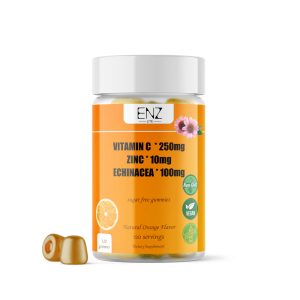
Vitamin Gummy Zinc Echinacea Purpurea Polyphenols
-
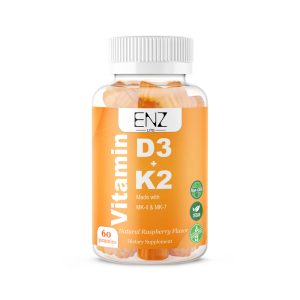
Vitamin K2 D3 Gummies
-
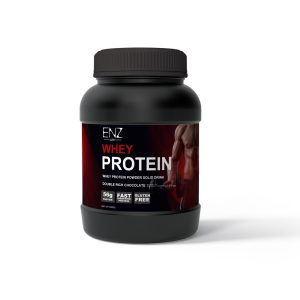
Whey Protein Powder Sports Nutrition
-
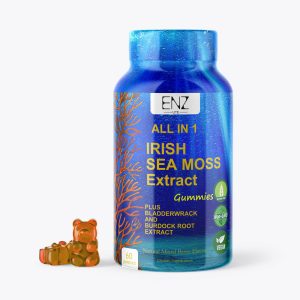
Wild Crafted Sea Moss Gummy
-
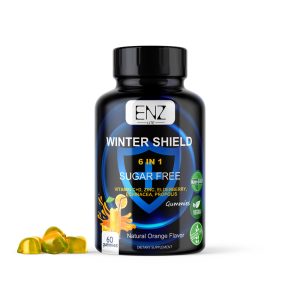
Winter Shield Gummies Sugar Free
-
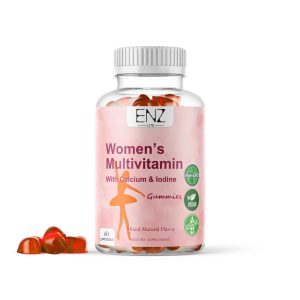
Women Multivitamin Gummies
ENZ Pharmtech Dietary Supplement Manufacturer offers a comprehensive One-Stop Solution Service for Private Label Manufacturing. We turn your Private Label Supplement Idea into a commercial reality. With state-of-the-art equipment, advanced production lines, and mature, market-tested formulations, our professional team leverages decades of industry experience to scale your brand safely.
We are rigorously qualified in the health supplements field and proudly certified by ISO (FSSC22000), HACCP, GMP, BRCS, FDA, and HALAL. Whether you need encapsulations, powders, or complex gummy manufacturing, we provide the uncompromising quality control your brand requires to dominate the market.
Summary and Comparison Tables
| Phase | Step | Critical Action Required |
|---|---|---|
| Strategy | 1. Market Viability | Calculate target COGS and retail margin (>70%). |
| Strategy | 2. Formulation | Choose between stock formulas or custom blending. |
| Sourcing | 3. Manufacturer Selection | Verify GMP, FDA, and ISO certifications. |
| Sourcing | 4. Raw Materials | Demand COAs for all active ingredients. |
| Development | 5. Prototyping | Conduct organoleptic testing (taste/texture). |
| Development | 6. Packaging & Labels | Ensure FDA/FTC regulatory compliance. |
| Production | 7. QA Testing | Execute third-party heavy metal & microbial testing. |
| Production | 8. Mass Production | Final blending, bottling, and sealing. |
| Launch | 9. Go-To-Market | Transfer inventory to 3PL and launch marketing. |
| Feature | White Label (Stock Formula) | Custom Formulation |
|---|---|---|
| Speed to Market | Very Fast (4 – 8 weeks) | Slow (12 – 24 weeks) |
| R&D Costs | Zero | High (Flavoring, stability testing) |
| Minimum Order Quantity | Low (Often 500 – 1,000 units) | High (Often 5,000+ units) |
| Product Uniqueness | Low (Same formula as other brands) | High (Proprietary to your brand) |
| Pros (Advantages) | Cons (Limitations) |
|---|---|
| Low barrier to entry and rapid deployment timeline. | No intellectual property ownership over stock formulas. |
| Allows founders to focus purely on marketing and sales. | High liability if regulatory labeling guidelines are ignored. |
| Leverages the manufacturer’s established safety certifications. | Requires significant upfront capital to meet factory MOQs. |
| High gross margins compared to reselling affiliate products. | Highly competitive advertising landscape on social media. |
Frequently Asked Questions
How much money does it cost to start a private label supplement brand?
In most professional situations, launching a legitimate private label supplement brand requires an initial capital investment between $5,000 and $15,000. This covers the minimum order quantity (MOQ) for your first product run, professional label design, legal compliance review, and initial marketing budget. Undercapitalization is a primary reason for failure in this industry.
Do I need FDA approval to sell dietary supplements?
No, dietary supplements do not require pre-market approval from the FDA before they are sold. However, you must manufacture them in an FDA-registered facility that adheres to Current Good Manufacturing Practices (cGMP). You are legally responsible for ensuring your products are safe and that your label claims comply with the Dietary Supplement Health and Education Act (DSHEA).
How long does it take to manufacture a private label supplement?
If you are using a manufacturer’s stock white-label formula, production typically takes 6 to 8 weeks. If you are developing a custom formula from scratch, the timeline extends to 12 to 16 weeks to allow for flavor profiling, pilot runs, and stability testing. Supply chain disruptions regarding raw materials can further extend these lead times.
Authoritative Industry References
To ensure our operational guidance complies with federal law and industry best practices, we reference standards from the following authoritative bodies:
- U.S. Food and Drug Administration (FDA) – Federal guidelines on the Dietary Supplement Health and Education Act (DSHEA), labeling requirements, and cGMP compliance for manufacturing facilities.
- NSF International – The leading global independent organization defining and auditing Good Manufacturing Practices (GMP) and safety certifications for dietary sports supplements.
- Council for Responsible Nutrition (CRN) – The leading trade association for the dietary supplement industry, providing ethical guidelines and scientific safety data for ingredient sourcing.