
The nutraceutical and nutricosmetic industries are undergoing a massive shift. Consumers are rapidly moving away from horse-pill-sized capsules and clumpy powders, migrating instead toward high-absorption liquid formats. At the forefront of this movement is the private label collagen drink. However, launching a successful liquid collagen brand requires far more than slapping your logo on a generic bottle. Liquid formulation is notoriously volatile, susceptible to thermal degradation, bacterial growth, and severe flavor masking challenges.
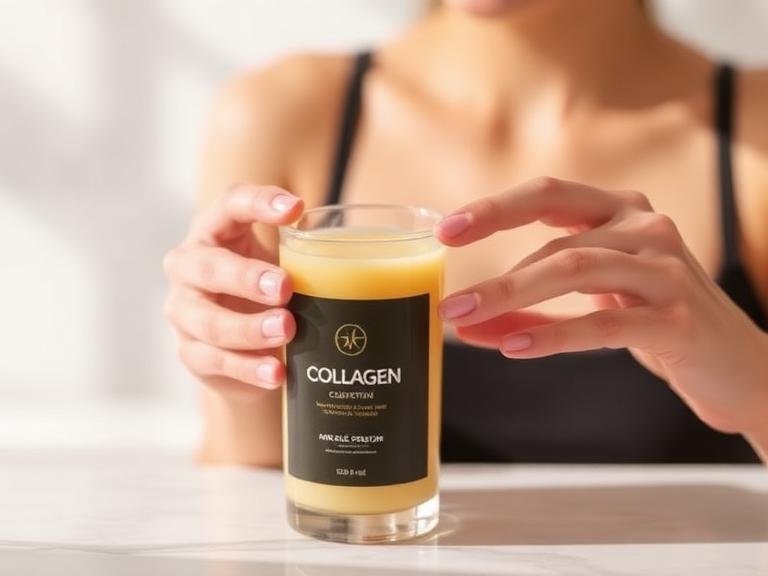
From our experience engineering and manufacturing complex liquid supplements, we see emerging brands make the same catastrophic supply chain and formulation errors daily. If you are preparing to enter this highly lucrative but unforgiving market, you must use commercial and practical judgment. You cannot afford to guess on pasteurization protocols or peptide Dalton sizes. In this comprehensive guide, we will break down the exact technical, commercial, and logistical realities you must master to successfully launch and scale a private label collagen drink in 2026.
Quick Answer: What is a Private Label Collagen Drink?
A private label collagen drink is a turnkey liquid supplement formulation—typically featuring hydrolyzed collagen peptides, vitamins, and flavorings—manufactured by a specialized third-party facility and branded entirely under your company’s name. In most professional situations, launching a liquid collagen product is superior to powder formats due to higher perceived consumer value, faster absorption rates, and premium retail positioning. We recommend utilizing marine or bovine hydrolyzed peptides with a molecular weight under 3000 Daltons to ensure maximum bioavailability and product clarity. If you lack in-house liquid bottling infrastructure, partnering with verified liquid supplement manufacturers is a mandatory business requirement.
Table of Contents
- What It Is and How It Works
- The 8 Critical Things You Need to Know
- Commercial Benefits of Liquid Collagen
- Limitations and Manufacturing Hurdles
- Comparison Table: Liquid vs. Powder vs. Capsule
- Who Should Launch This Product
- Who Does Not Need a Liquid Format
- Common Brand Mistakes
- Crucial Buying Considerations
- Expert Manufacturing Recommendation
- Frequently Asked Questions (FAQ)
What It Is and How It Works
A private label collagen drink utilizes hydrolyzed collagen—meaning the long amino acid chains of raw collagen have been broken down (hydrolyzed) via enzymatic processes into tiny, easily digestible peptides. When formulated into a liquid suspension, these peptides are pre-dissolved. This allows the consumer’s body to bypass the initial breakdown phase required by powders or capsules, leading to rapid absorption through the intestinal wall and into the bloodstream.
How it works from a business perspective is equally streamlined. Instead of building a multi-million-dollar bottling plant, establishing raw material supply chains, and navigating FDA compliance alone, you partner with a contract manufacturer. The manufacturer provides a base formula (or customizes one to your specifications), handles the mixing, pasteurization, bottling, and labeling. You receive a retail-ready product ready for distribution.
The 8 Critical Things You Need to Know
1. The Molecular Weight Determines Efficacy
In our testing, the effectiveness of your private label collagen drink is entirely dependent on the Dalton size (molecular weight) of the peptides. Raw collagen is around 300,000 Daltons—completely unabsorbable. You must ensure your manufacturer uses peptides broken down to between 2,000 and 3,000 Daltons. Anything larger will not remain suspended in a liquid and will settle at the bottom of your bottle as sludge.
2. Source Selection: Marine vs. Bovine
Your target demographic dictates your sourcing. Marine collagen (Type I) is extracted from fish scales/skin and is highly prized in the beauty and anti-aging sector due to its superior bioavailability for skin elasticity. Bovine collagen (Type I and III) is sourced from cow hides and is generally cheaper and better suited for joint health and sports recovery. If you are targeting a premium aesthetic market, Marine is mandatory.
3. The Nightmare of Flavor Masking
Liquid collagen, especially high-dose marine collagen, naturally tastes and smells like the ocean or a rendering plant. It is highly unpalatable. In most professional situations, developing a private label collagen drink requires advanced flavor masking technology. You cannot just add sugar; you must use specialized natural flavor profiles (like tart citrus or dark berries) and bitterness suppressors to create a premium sensory experience.
4. Synergistic Co-Ingredients are Mandatory
Ingesting collagen without Vitamin C is a physiological waste. The human body requires Vitamin C as a cofactor to synthesize the consumed peptides into new collagen structures. Furthermore, adding Hyaluronic Acid and Biotin elevates your product from a generic protein shot to a high-ticket nutricosmetic. Ensure your manufacturing partner has expertise in stabilizing these volatile vitamins in a liquid suspension.
5. Pasteurization and Preservative Protocols
Liquids are breeding grounds for bacteria. Your private label collagen drink must undergo rigorous sterilization. You must choose between Hot Fill processing, UHT (Ultra-High Temperature) processing, or cold filling with robust chemical preservatives (like Potassium Sorbate). For brands pushing a “100% natural/clean label” angle, UHT processing into aseptic packaging is required, though this significantly raises manufacturing costs.
6. Strict GMP and Regulatory Compliance
If your manufacturer fails an FDA audit, your brand goes down with them. You must strictly utilize facilities vetted and listed among global GMP certified supplement companies. Verify their ISO and HACCP certifications. This protects you from devastating liability regarding heavy metal contamination, which is a known risk in cheap marine collagen sourcing.
7. Navigating Minimum Order Quantities (MOQs)
Liquid bottling runs require massive setup times compared to dry powder blending. Consequently, the MOQs for a private label collagen drink are steep. While you might find a powder manufacturer willing to do 500 units, liquid manufacturers typically require 10,000 to 50,000 bottles per run. You must have the capital and the marketing distribution channels ready to move this inventory before its typical 12-to-18-month shelf life expires.
8. Global Sourcing Dynamics
Where your drink is manufactured impacts your margins and shipping logistics. Many premium brands utilize private label supplement distributors China for aggressive cost advantages on raw peptides, or they partner with supplement manufacturers Europe for strict EFSA regulatory prestige. Choose your geographic partner based on where your primary consumer base resides to mitigate liquid shipping weights.
Commercial Benefits of Liquid Collagen
For commercial users, the liquid format commands the highest retail markup in the supplement space. Consumers inherently view a ready-to-drink (RTD) shot or a premium glass bottle of collagen as a luxury item compared to a plastic tub of powder. This allows for aggressive profit margins. Furthermore, the convenience factor drives exceptionally high subscription retention rates; consumers are far more likely to drink a 50ml shot daily than they are to measure, mix, and clean a shaker bottle.
Limitations and Manufacturing Hurdles
We must use commercial and practical judgment: liquid collagen is heavy and expensive to ship. The logistics of moving pallets of liquid will eat into your margins if you do not price the product correctly. Furthermore, liquids are highly susceptible to temperature fluctuations during transit. Freezing can break the emulsion, and extreme heat can degrade the Vitamin C content. You must utilize climate-controlled logistics for premium formulations.
| Format | Absorption Speed | Consumer Convenience | Manufacturing Cost | Retail Price Potential |
|---|---|---|---|---|
| Liquid Collagen Drink | Very Fast (Pre-dissolved) | Highest (Grab and go) | High (Bottling/Pasteurization) | Premium / Luxury |
| Collagen Powder | Moderate | Low (Requires mixing) | Low | Standard / Mass Market |
| Collagen Capsules | Slow (Digestion required) | High | Low | Low / Budget |
Who Should Launch This Product
For commercial users and high-end brands: Medical spas, dermatology clinics, luxury lifestyle influencers, and premium beauty brands are perfectly positioned to launch a private label collagen drink. Your audience already values aesthetics and anti-aging science and is willing to pay a premium for high-bioavailability liquid formats that deliver tangible skin and joint results.
Who Does Not Need a Liquid Format
For beginners and discount brands: If your brand identity is built on budget-friendly, bulk sports nutrition, do not launch a liquid collagen drink. Your consumer base will reject the high price point per serving. You are much better off sticking to bulk tubs and partnering with traditional protein powder manufacturers Australia or the US to produce standard, low-cost bovine powder blends.
Common Mistakes in Brand Launches
The most catastrophic mistake brands make is prioritizing extreme active ingredient dosages over stability and taste. We see brands demand 15,000mg of marine collagen in a tiny 30ml shot. At that saturation, the liquid becomes a viscous, foul-tasting syrup that separates on the shelf. You must trust your manufacturer’s R&D team regarding maximum solubility limits.
Another error is choosing cheap packaging. Storing a highly acidic, vitamin-C rich collagen drink in cheap, thin PET plastic can lead to leaching and oxidation. Premium formulas belong in dark amber glass or high-grade, UV-blocking HDPE to protect the active peptides from light degradation.
Crucial Buying Considerations
| Consideration | What to Demand | Why It Matters |
|---|---|---|
| Facility Certifications | GMP, FDA Registered, ISO 22000, FSSC | Without these, your product cannot legally be sold in premium retail environments. |
| R&D and Flavoring | In-house food scientists and masking agents | A bad-tasting liquid supplement will destroy your brand reputation on the first sip. |
| Packaging Options | RTD Shots (50ml), Glass Bottles, Aseptic Vials | The format dictates your shipping costs and the perceived luxury of the product. |
| Turnkey Services | Formulation, Sourcing, Bottling, Labeling | Managing three different vendors for one liquid product is a logistical nightmare. |
| Pros | Cons |
|---|---|
| Commands highest retail pricing and brand prestige. | Requires high initial capital for steep liquid MOQs. |
| Superior bioavailability and fast consumer results. | Heavy shipping weights reduce e-commerce margins. |
| High subscription retention due to daily convenience. | Complex formulation required to ensure shelf stability. |
| Easy to differentiate with bespoke vitamin additions. | Highly sensitive to extreme transit temperatures. |
Expert Recommendation from ENZ Pharmtech
In most professional situations, attempting to piecemeal the supply chain of a liquid nutraceutical is a recipe for cross-contamination, formula separation, and blown launch deadlines. We strongly recommend centralizing your production with a manufacturer that possesses deep, verifiable expertise in liquid peptide suspension and flavor masking.
ENZ Pharmtech Dietary Supplement Manufacturer offers a One-Stop Solution Service for Private Label Manufacturing. With excellent equipment, facilities, production lines, processes, mature formulations, a professional team, and decades of experience. We are qualified in health supplement fields and certified by ISO (FSSC22000), HACCP, GMP, BRCS, FDA, HALAL, etc.
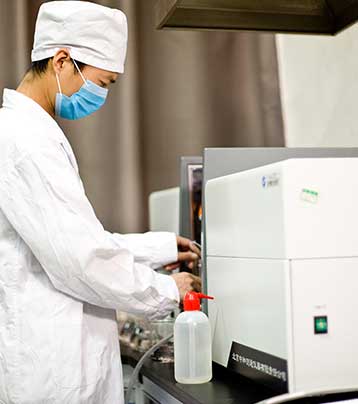
Whether you are formulating a complex marine collagen beauty shot or scaling a joint-support beverage, partnering with an elite facility like ENZ Pharmtech ensures your private label collagen drink hits the market with impeccable taste, absolute regulatory compliance, and a stable, potent shelf life. Do not gamble your brand equity on unverified bottling plants; demand manufacturing excellence.
Frequently Asked Questions (FAQ)
How much does it cost to start a private label collagen drink brand?
Launching a liquid collagen brand requires more capital than dry powder lines. Due to the high MOQs associated with liquid bottling, sterilization, and heavy freight logistics, expect an initial investment ranging from $15,000 to $50,000. This covers formulation, raw material procurement, bottling, custom label printing, and initial inventory freight.
Is marine collagen better than bovine collagen for liquid drinks?
It depends strictly on your target market. For beauty, hair, skin, and nail products, marine collagen is vastly superior. It is almost entirely Type I collagen and absorbs up to 1.5 times faster due to its smaller particle size. Bovine collagen is excellent and highly cost-effective for brands targeting joint health, gut health, and athletic recovery.
Why do some liquid collagen drinks taste bad?
Raw collagen peptides inherently possess an unpleasant, bitter, and sometimes fishy or gamey flavor profile. If a brand attempts to cut costs by skipping advanced R&D flavor masking, the resulting drink will taste foul. Premium manufacturers utilize proprietary natural masking agents, acidity regulators, and strong fruit extracts to neutralize the peptide bitterness entirely.
Authoritative References & Industry Standards
To ensure your formulation and compliance strategies are built on verified industry data, we advise consulting the following authorities:
- U.S. Food and Drug Administration (FDA): Guidelines regarding the manufacturing, labeling, and Good Manufacturing Practices (cGMP) for dietary supplements under 21 CFR Part 111. Review FDA Supplement Guidelines
- National Institutes of Health (NIH) / PubMed: Peer-reviewed clinical research detailing the absorption kinetics and molecular weight requirements (Daltons) of hydrolyzed collagen peptides. Access NIH Clinical Data
- International Organization for Standardization (ISO): Defining the ISO 22000 standards for food safety management systems, crucial for liquid supplement pasteurization and bottling safety. Explore ISO 22000 Standards