
Entering the nutraceutical market requires more than just a potent formula; it requires a strategic presentation. The truth is, the majority of consumers will judge the efficacy and safety of your product within three seconds of picking it up. If your container feels cheap, your brand equity plummets. Choosing the right packaging options for private label dietary supplements is not merely an aesthetic choice—it is a critical commercial decision that impacts shelf life, regulatory compliance, and profit margins.
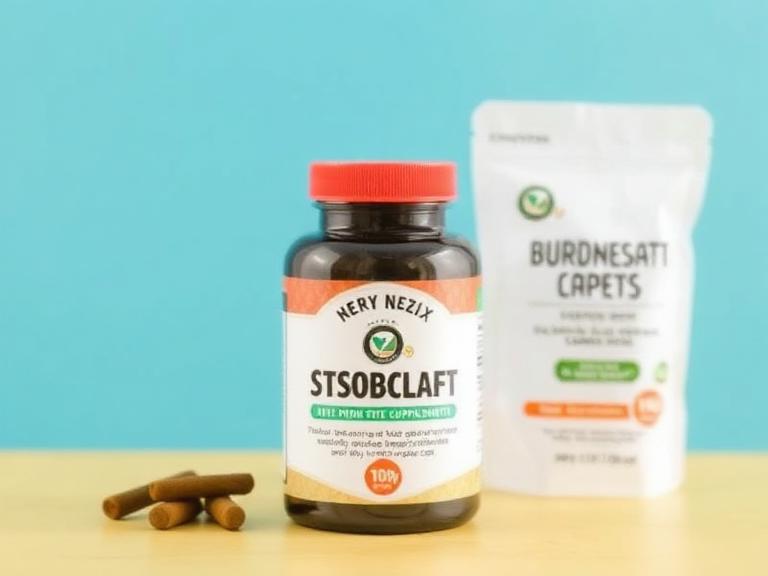
From our experience working with hundreds of brands at ENZ Pharmtech, poor packaging selection is the number one reason new supplement lines fail to secure retail distribution. Your container must protect sensitive active ingredients from moisture, oxygen, and ultraviolet light while simultaneously acting as a silent salesperson on a crowded shelf. We recommend approaching your packaging strategy with the same rigor you apply to your ingredient sourcing.
Quick Answer: The Bottom Line on Supplement Packaging
If you need to make a fast, commercially viable decision regarding packaging options for private label dietary supplements, here is our expert consensus:
- For beginners and standard capsules: Use High-Density Polyethylene (HDPE) or Polyethylene Terephthalate (PET) bottles. They are cost-effective, durable, and universally accepted.
- For premium or light-sensitive formulations: Invest in amber or cobalt Glass Bottles to elevate perceived value and block UV degradation.
- For bulk powders (like protein or pre-workout): Stand-Up Pouches with gussets offer the best shipping economics and shelf presence.
Never compromise on the induction seal; an unsealed product is an unsellable product.
Table of Contents
- What Are Packaging Options for Private Label Dietary Supplements?
- How Supplement Packaging Works
- The 8 Best Packaging Options
- Quick Summary Table
- Detailed Comparison Table
- Benefits and Limitations
- Pros and Cons Table
- Who Should Use Premium Packaging (And Who Does Not Need It)
- Common Mistakes to Avoid
- Expert Buying Considerations
- Frequently Asked Questions (FAQ)
- Authoritative References
What Are Packaging Options for Private Label Dietary Supplements?
Packaging options for private label dietary supplements refer to the various physical containers, enclosures, and protective materials used to house nutraceutical products before they reach the end consumer. These options range from rigid plastic bottles and glass jars to flexible pouches and individual blister packs. In most professional situations, the packaging is classified into primary packaging (which touches the supplement directly, like a bottle) and secondary packaging (like the branded cardboard box the bottle sits in).
When you partner with a manufacturer, selecting the packaging is a vital step in the production pipeline. Brands looking to minimize upfront risk often seek private label supplements no minimum order solutions, which allow them to test different packaging formats—like switching from a standard bottle to a premium pouch—without committing to tens of thousands of units.
How Supplement Packaging Works
Supplement packaging works by creating a controlled micro-environment. Dietary supplements—whether they are herbal extracts, amino acids, or sensitive probiotics—are highly susceptible to environmental degradation. A high-quality container utilizes specific material properties to create a barrier.
For instance, an airtight induction seal prevents oxygen from oxidizing vitamin C powders, while an opaque or tinted material prevents UV light from breaking down light-sensitive ingredients like omega-3 fish oils. Beyond preservation, the packaging works as a functional delivery mechanism, ensuring the consumer can easily dispense the correct dosage while keeping the remaining product sanitary.
The 8 Best Packaging Options for Private Label Dietary Supplements
In our testing and manufacturing operations at ENZ Pharmtech, we have isolated the top eight packaging formats that dominate the global market. Here is a detailed breakdown to help you make a buying decision.
1. PET (Polyethylene Terephthalate) Bottles
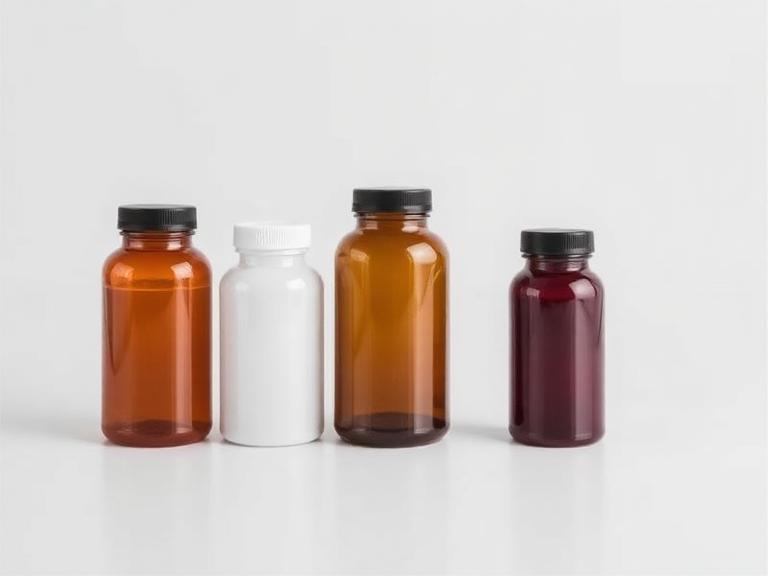
PET bottles are the undisputed heavyweight champions of the supplement industry. They are lightweight, shatter-resistant, and highly transparent, resembling glass but without the shipping liabilities. We recommend PET bottles for colorful capsules or gummies where you want the product’s visual appeal to drive the purchase.
Best use cases: Multivitamins, gummy vitamins, and entry-level sports nutrition capsules.
2. HDPE (High-Density Polyethylene) Bottles
If PET is for visibility, HDPE is for durability. These bottles are opaque, rigid, and provide an excellent moisture barrier. They are the industry standard for white, medicinal-looking pill bottles. For commercial users launching a clinical or highly technical formula, HDPE communicates a pharmaceutical-grade seriousness.
Best use cases: Joint support formulas, bulk capsule counts, and products requiring strict light protection.
3. Glass Bottles and Jars
Glass is entirely inert, meaning it will never leach chemicals into the supplement. It also carries an undeniable heft that consumers associate with luxury. For heavy-duty applications involving premium herbal extracts or high-ticket anti-aging compounds, amber or cobalt glass is essential. However, the cost of shipping glass is significantly higher due to weight and fragility.
Best use cases: Premium botanical extracts, high-end probiotics, and luxury beauty supplements.
4. Stand-Up Pouches and Gusseted Bags
Flexible packaging has revolutionized the sports nutrition sector. Pouches use significantly less plastic than rigid tubs and cost a fraction of the price to ship. If you are sourcing from private label pre workout manufacturers, transitioning from a bulky plastic tub to a sleek, resealable stand-up pouch can dramatically improve your profit margins and appeal to eco-conscious athletes.
Best use cases: Protein powders, collagen peptides, and bulk greens powders.
5. Blister Packs
Blister packs isolate each individual capsule or tablet in its own sealed cavity, backed by aluminum foil. This format provides the absolute highest level of protection against moisture and oxidation because the remaining pills are never exposed to air when one is removed. Furthermore, blister packs enhance compliance, making it easy for consumers to track their daily intake.
Best use cases: Nootropics, expensive specialized formulas, and travel-friendly supplement lines.
6. Stick Packs and Sachets
For brands targeting the on-the-go consumer, single-serve stick packs are highly lucrative. These are elongated, narrow foil-lined pouches perfect for mixing powders into water bottles. While the manufacturing cost per serving is higher, the convenience allows brands to charge a premium retail price.
Best use cases: Hydration multipliers, pre-workout energy powders, and daily collagen doses.
7. Dropper Bottles
Not all dietary supplements come in solid form. Liquid tinctures, especially in the sublingual vitamin market, require precise dosing. Glass or PET dropper bottles equipped with graduated glass pipettes are mandatory here. The seal and the quality of the rubber bulb are critical to prevent leaks during transit.
Best use cases: Liquid Vitamin D3, herbal tinctures, and liquid sleep support formulas.
8. Tins and Aluminum Canisters
Aluminum offers infinite recyclability and an exceptionally premium tactile feel. While historically used for teas, progressive supplement brands are adopting metal canisters to differentiate themselves from the sea of plastic on retail shelves. This is a bold choice that signals a commitment to sustainability and premium quality.
Best use cases: High-end matcha powders, luxury adaptogen blends, and premium men’s health formulations.
Quick Summary Table
| Packaging Type | Primary Material | Best For | Relative Cost |
|---|---|---|---|
| PET Bottles | Plastic (Clear/Tinted) | Gummies, colorful capsules | Low |
| HDPE Bottles | Plastic (Opaque) | Standard capsules, clinical look | Low |
| Glass Bottles | Glass (Amber/Cobalt) | Premium extracts, light-sensitive items | High |
| Stand-Up Pouches | Multi-layer flexible film | Protein powders, pre-workouts | Medium |
| Blister Packs | PVC/Aluminum foil | High-value daily regimens | High |
| Stick Packs | Foil/Film laminate | On-the-go powder servings | Medium to High |
| Dropper Bottles | Glass/PET with rubber bulb | Liquid vitamins, tinctures | Medium |
| Aluminum Canisters | Aluminum metal | Sustainable premium powders | High |
Detailed Comparison Table: Performance Metrics
When selecting packaging options for private label dietary supplements, technical performance is just as important as aesthetics. Review the barrier properties in our comparison table below.
| Packaging Format | Moisture Barrier | Oxygen Barrier | UV Light Protection | Shipping Durability |
|---|---|---|---|---|
| HDPE Bottle | Excellent | Good | Excellent (if solid color) | High |
| Amber Glass | Perfect | Perfect | Excellent | Low (Fragile) |
| Blister Pack (Alu/Alu) | Perfect | Perfect | Perfect | Medium |
| Mylar/Foil Pouch | Excellent | Excellent | Excellent | High |
| Clear PET Bottle | Good | Fair | Poor | High |
Benefits and Limitations of Custom Packaging
Choosing to heavily customize your packaging yields massive branding benefits. A unique bottle shape or a matte-finish pouch immediately separates you from generic white-label competitors. It allows you to command a higher retail price point because the perceived value of the product scales with the quality of the packaging. Furthermore, specialized options like blister packs ensure maximum efficacy of the product until the expiration date.
However, the limitations are largely financial and logistical. Custom molds for unique bottle shapes require significant capital investment and long lead times. Furthermore, premium packaging often demands higher minimum order quantities (MOQs). If you are a startup, tying up cash flow in custom glass bottles is a massive risk. This is why working with a dietary supplement product catalog that offers high-quality standard packaging is a safer commercial strategy.
Pros and Cons of Rigid vs. Flexible Packaging
| Category | Pros (Advantages) | Cons (Disadvantages) |
|---|---|---|
| Rigid (Bottles, Jars, Canisters) | Highly traditional, trusted by older demographics. Easier to stack on retail shelves. Excellent structural protection for fragile capsules. | Takes up significant space during freight shipping. Higher carbon footprint in manufacturing. Labels can peel if not applied correctly to curved surfaces. |
| Flexible (Pouches, Stick Packs) | Massive reduction in shipping costs (lightweight). Large surface area for high-impact graphic design. Highly appealing to younger, on-the-go demographics. | Can look messy on retail shelves if not displayed in boxes. Zippers can sometimes fail on cheap pouches. Not suitable for liquid formulations. |
Who Should Use Premium Packaging (And Who Does Not Need It)
Who Should Use Premium Packaging: We recommend that lifestyle brands, anti-aging formulators, and practitioners selling directly to high-net-worth clients utilize glass, blister packs, or aluminum tins. If your formula costs over $50 per bottle at retail, the consumer expects a tactile experience that justifies the price. Furthermore, if your product contains highly unstable ingredients (like certain probiotics), you must use advanced moisture-barrier packaging.
Who Does Not Need It: If you are running a high-volume, low-margin e-commerce business focusing on basic single-ingredient vitamins (like Vitamin C or generic Creatine), premium packaging will destroy your profit margins. For these operators, standard PET or HDPE bottles are the most logical choice. Additionally, brands working with supplement dropshipping suppliers should prioritize lightweight, durable plastics to minimize postage costs and transit damage.
Common Mistakes When Choosing Packaging
Expert Insight: The most catastrophic mistake we see brands make is purchasing packaging independently before finalizing their formula and capsule size with their manufacturer.
Many brands buy thousands of bottles directly from overseas suppliers only to discover that their required dose requires a large “Size 00” capsule, and 60 of those capsules will not fit into the bottle they purchased. Always let your manufacturer dictate the correct cubic centimeter (cc) volume of the container.
Another common mistake is ignoring the neck size and the induction seal. The seal is what keeps the product fresh and tamper-evident. If the cap does not match the bottle perfectly, the seal will fail, leading to clumped powders and oxidized pills. Finally, ensure your packaging meets strict regulatory standards; operating within a GMP certified supplements list framework requires packaging that is food-grade and trackable.
Expert Buying Considerations & Recommendations
When selecting packaging options for private label dietary supplements, your commercial strategy must dictate your choice. Evaluate your logistics network. Are you shipping globally? If so, lightweight flexible pouches will save you thousands in freight compared to glass. Are you trying to dominate Amazon? Ensure your packaging dimensions are optimized for fulfillment fee tiers.
From our experience at ENZ Pharmtech, aligning with a reliable manufacturing partner eliminates these headaches. With over 20 years of expertise and certified production standards, we handle the complex matrix of formula density, bottle volume, and sealing technology. We manufacture and supply a wide range of private label supplements with flexible order quantities, ensuring you get premium packaging without being forced into massive, cash-draining inventory buys.
If you are looking for reliable partners, exploring options through private label supplement distributors China can also provide insight into global packaging trends and cost-effective scaling.
Frequently Asked Questions (FAQ)
What is the most cost-effective supplement packaging?
In our testing and commercial analysis, white HDPE (High-Density Polyethylene) bottles are the most cost-effective packaging options for private label dietary supplements. They are inexpensive to produce in bulk, highly durable during shipping, and provide an excellent barrier for standard capsule formulations.
Do I have to use child-resistant caps for supplements?
It depends entirely on the ingredients. According to FDA and CPSC regulations, if your supplement contains specific amounts of iron or certain other restricted compounds, child-resistant packaging (CRP) is legally mandatory. For standard vitamins and protein powders, standard continuous thread or flip-top caps are generally acceptable.
How do I know what size bottle to order for my capsules?
Never guess bottle size. You must calculate the volume based on the specific capsule size (e.g., Size 1, Size 0, Size 00) and the total count per bottle. Professional manufacturers use a volume calculation (measured in cubic centimeters or cc) to pair the exact formula density with the correct bottle size to prevent excessive empty space.
Are glass bottles better than plastic for supplements?
Glass is superior for chemical inertness and oxygen barriers, making it ideal for highly sensitive liquids and premium botanicals. However, in most professional situations involving dry capsules or powders, high-quality PET or HDPE plastic is perfectly adequate, significantly cheaper to ship, and poses zero shatter risk in e-commerce fulfillment.
Authoritative References
To support the industry standards and technical data discussed in this article, we reference the following authoritative organizations:
- U.S. Food and Drug Administration (FDA): Guidelines on dietary supplement labeling and packaging compliance requirements.
FDA Dietary Supplements Guidance - Council for Responsible Nutrition (CRN): Industry best practices for manufacturing and packaging dietary supplements to ensure product integrity.
Council for Responsible Nutrition Standards - Packaging Digest: Major media publication providing technical insights into material science, flexible pouch innovations, and sustainability in nutraceutical packaging.
Packaging Digest – Healthcare & Pharma