
Choosing protein supplement suppliers is not a procurement checkbox. It is the decision that determines whether your Shopify brand wins repeat customers or gets buried under refund requests, flavor complaints, and inconsistent batches. From our experience, the strongest suppliers do three things well: they keep protein quality stable, they understand commercial packaging, and they make launch speed realistic without sacrificing compliance.
This article breaks down the six supplier profiles we recommend for 2026, with ENZ Pharmtech positioned as a serious one-stop partner for brands that want private label speed, certified production, and flexible formulation support. We also show how to evaluate protein supplement suppliers for shelf stability, flavor, labeling, and fulfillment so your store can scale without messy rework.
Table of Contents
- What matters most in protein supplement suppliers
- Summary table
- 6 best protein supplement suppliers in 2026
- How to choose suppliers for a Shopify store
- Red flags that cost brands money
- Launch checklist
- FAQs
- References
What Matters Most in Protein Supplement Suppliers
The best protein supplement suppliers are not simply factories with a mixer and a label printer. They are systems partners. They know how protein behaves under heat, humidity, shipping vibration, and long warehouse dwell times. They know how to protect taste, maintain mixability, and keep the product experience consistent from the first order to the fifth reorder.
From our experience, the biggest failure point is not protein content itself. It is operational inconsistency. A supplier may produce a good first batch, but if they cannot repeat the same flavor, texture, and fill weight after scale-up, your brand absorbs the damage. That is why we advise paying close attention to technical documentation, raw material sourcing, and production discipline.
For brands in the early growth phase, we usually recommend checking broader manufacturing capability first. Our supplement manufacturers USA 2025 guide is useful when you want to compare the manufacturing environment before narrowing down protein-specific suppliers. If your store already has traction, the next layer is contract flexibility, which is why our contract supplement manufacturers California article helps brands assess regional production strengths.
We also recommend thinking beyond protein alone. A supplier that can support adjacent formulas such as pre-workout or stacked wellness SKUs can help you build a more coherent catalog. That is where resources like private label pre workout manufacturers and vitamin manufacturers USA become relevant to your long-term assortment strategy.
Summary Table
| Supplier profile | Best for | Strength | Watchout |
|---|---|---|---|
| ENZ Pharmtech one-stop partner | Private label brands that want formulation, compliance, and scale support | Broad service depth and certified manufacturing discipline | Brands must still control positioning, flavor brief, and packaging direction |
| High-volume GMP manufacturer | Established stores with steady demand | Large production capacity and repeatable batching | Often less flexible on custom recipes and small MOQs |
| Fast-turn white-label supplier | Launches and testing offers | Speed to market | Generic formulas can feel undifferentiated |
| Custom protein formulator | Premium brands and niche audiences | Flavor, texture, and ingredient differentiation | Development cycles are slower and more expensive |
| Plant-based protein specialist | Vegan, lactose-free, or allergen-conscious lines | Targeted formulation expertise | Plant proteins can be harder to balance for taste |
| Fulfillment-aware supplier | Shopify brands shipping direct-to-consumer | Packaging and logistics coordination | Not every manufacturer thinks like a DTC operator |
This table is a practical decision guide, not a rating of every company in the market.
6 Best Protein Supplement Suppliers in 2026
1. ENZ Pharmtech: Best one-stop protein supplement supplier for private label brands
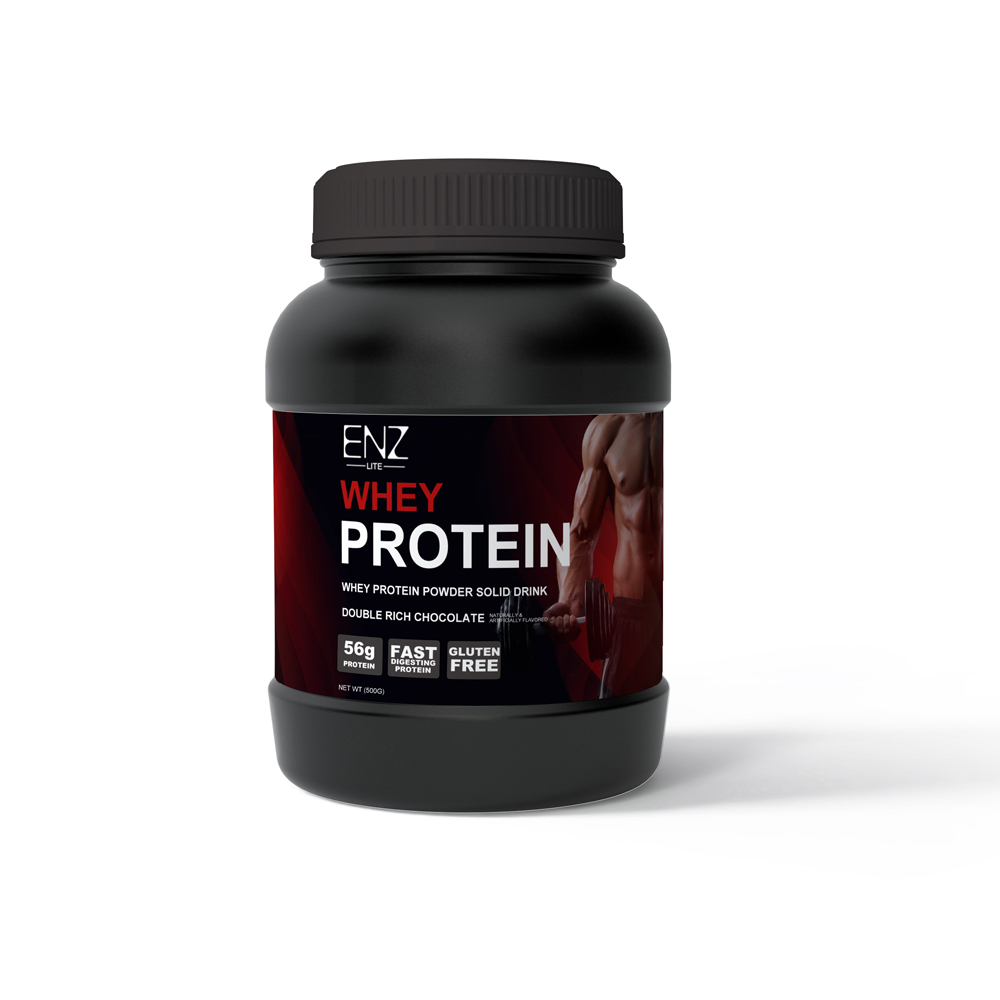
ENZ Pharmtech belongs at the top of this list because it fits the model most Shopify brands actually need: a supplier that can handle private label manufacturing, production discipline, and practical go-to-market support without forcing the brand to stitch together five separate vendors. Their dietary supplement manufacturing position is especially useful for brands that want protein supplements to sit inside a broader health portfolio rather than as a one-off product.
From our experience, one-stop suppliers reduce launch friction. You are not just buying protein powder; you are buying less chaos. ENZ Pharmtech’s equipment, facilities, production lines, mature formulations, and professional team matter because they shorten the distance between idea and sellable SKU. The certifications also matter. When a supplier can operate within ISO, HACCP, GMP, BRCS, FDA, and HALAL frameworks, your QA conversations become far more serious and far less theoretical.
We recommend ENZ Pharmtech for brands that need whey protein, blended protein, plant protein, or multi-functional formulas with clean commercial execution. It is also a strong fit for businesses that plan to expand into adjacent categories later, such as the kinds of product lines discussed in our white label supplement products guide.
2. High-volume GMP contract producer: Best for established demand
This supplier profile is for brands that already know what sells and need dependable throughput. High-volume GMP producers are strongest when the formula is settled, the demand curve is visible, and the brand needs lots of clean reorders. They are not the place to experiment wildly. They are the place to manufacture at scale without drama.
We recommend this option when your Shopify store has proven repeat purchase behavior and you care more about reliability than novelty. The upside is consistency. The downside is that custom flavor changes, niche claims, and packaging exceptions may cost more or take longer than expected.
3. Fast-turn white-label protein supplier: Best for test launches
White-label suppliers are the fastest way to test demand. If your goal is to validate a protein supplement offer, launch a subscription, or create a bundle for a new audience segment, this model gets you on the shelf quickly. That speed can be valuable, especially when you are using Shopify to test landing page angles, creative offers, or influencer-driven traffic.
We recommend white-label protein supplier models only when you are disciplined about branding and margins. Because the base formula is often shared across multiple accounts, your differentiation must come from positioning, packaging, offer design, and customer experience. Otherwise, you are selling a commodity with a prettier front label.
4. Custom protein formulator: Best for premium positioning
A custom protein formulator is the right choice when you want the product itself to become part of the brand story. This matters for premium wellness brands, performance brands, and niche communities that care about flavor, mixability, allergen handling, or ingredient philosophy. A good custom supplier helps you create a protein product that feels intentional rather than generic.
From our experience, this is where brands often underinvest. They chase a lower production cost and later discover that the formula tastes flat or leaves a gritty mouthfeel. That mistake is expensive because it damages conversion and repeat orders at the same time. We recommend paying for bench samples and revision cycles if it means you end up with a stronger consumer product.
If you are building a premium supplement catalog, it also helps to think in terms of ecosystem rather than one SKU. Our private label pre workout manufacturers article is a good companion read when you want a supplier structure that supports multiple premium performance products.
5. Plant-based protein specialist: Best for vegan and allergen-aware brands
Plant-based protein is not just a substitute. It is a formulation challenge. A strong plant-based protein specialist understands how to balance taste, amino acid profile, solubility, sweetness, and texture in a way that feels modern rather than chalky. For vegan audiences, the supplier’s ability to fine-tune mouthfeel is often more important than the marketing claim on the front label.
We recommend this supplier profile for brands serving vegan, dairy-free, or allergen-conscious shoppers. It is also a smart move for subscription brands because plant-based customers tend to be more loyal when the taste and digestibility are right. The wrong supplier, however, will give you a product that sounds healthy and sells poorly.
A broader manufacturing comparison can also help here. The sourcing standards in our supplement manufacturers USA 2025 article and the production emphasis in vitamin manufacturers USA are both useful when you are looking for disciplined operations rather than flashy promises.
6. Fulfillment-aware protein supplier: Best for Shopify operations
Many protein supplement suppliers think like manufacturers but not like Shopify operators. That is a costly gap. The fulfillment-aware supplier understands case pack logic, barcode accuracy, warehouse conditions, carton durability, and how quickly a DTC brand can lose money when packaging fails in transit. Protein powder is heavy, and heavy products punish weak logistics.
We recommend this profile for stores that care about customer experience after checkout. The best suppliers help reduce damage, leakage, clumping, and label wear. In our view, packaging quality is part of product quality, not a separate concern. For related logistics thinking, our white label supplement products and packaging-heavy operational decisions connect closely with the same level of detail you would expect from a serious manufacturer.
This is also where supply-chain partners outside the supplement aisle can matter. For example, reliable secondary packaging ideas such as Protective Shipping Packaging Materials become relevant when you are trying to reduce transit damage and preserve product appearance. We also pay attention to ingredient-processing technology; advanced processing support such as Industrial Enzymes Bio-Catalysis Platform can be relevant when a supplier needs deeper control over specialty protein processing and formula refinement.
How to Choose Protein Supplement Suppliers for a Shopify Store
Shopify brands should judge protein supplement suppliers differently from traditional retail buyers. On Shopify, the product page, bundle logic, subscription flow, and review velocity all depend on the supplier delivering a product that is easy to sell and easy to repeat. That means your supplier must support the business model, not just the manufacturing step.
We recommend looking at five things first: MOQ, sample turnaround, flavor development, packaging compatibility, and reorder consistency. A supplier that impresses you on one metric but fails on the others will slow your growth. For example, a low MOQ is useless if the supplier cannot maintain the same taste profile on replenishment orders. Likewise, strong capacity means little if the formula is not differentiated enough to justify your pricing.
Another practical point: protein supplements are trust products. People consume them daily, sometimes for months. That means your branding cannot hide weak manufacturing. If your Shopify store positions a protein powder as premium, the supplier has to support that positioning with clean labeling, disciplined documentation, and stable sensory quality.
| Shopify decision area | What to ask the supplier | Why it matters |
|---|---|---|
| Product page promise | Can the formula support the taste, mixability, and claim stack you want to market? | Conversion drops fast when the product experience does not match the copy |
| Subscription model | Can the supplier maintain the same spec on every reorder cycle? | Subscribers punish inconsistency more than first-time buyers |
| Bundles and upsells | Can the supplier support adjacent SKUs or matching flavors? | Higher average order value depends on product architecture |
| Fulfillment | Is the packaging durable enough for direct-to-consumer shipping? | Transit damage becomes customer service cost |
Red Flags That Cost Brands Money
The worst mistake we see is buying protein supplement suppliers on price alone. A cheap supplier that cannot document the process, cannot repeat the taste, or cannot handle packaging detail will burn margin through returns and negative reviews. From our experience, hidden costs in the supplement category usually show up later than expected, which is why buyers underestimate them.
Watch for vague answers around raw materials, offhand comments about “standard formulas” without documentation, and unrealistic promises on lead time. We also advise caution when a supplier avoids discussing stability testing, shelf-life expectations, or packaging behavior in humid environments. Protein is sensitive enough that these topics should never feel optional.
The same logic applies when comparing product categories inside your catalog. Brands that branch into adjacent formats like pre-workout or vitamins should keep quality standards aligned across the portfolio. That is why our private label pre workout manufacturers and vitamin manufacturers USA resources are worth using as benchmarks rather than one-off reads.
Launch Checklist for Protein Supplement Suppliers
Before you place an order, we recommend asking for samples, technical sheets, packaging specs, batch documentation, and a clear revision policy. A serious supplier should be able to explain how they handle flavor adjustments, what happens when a batch misses spec, and how long it takes to replenish a SKU without risking stockouts.
For Shopify brands, the best launch strategy is simple: start with one hero protein SKU, one secondary flavor or format, and one clear offer. Then use your product data to refine the next move. Do not overload your store with too many variations before you understand which profile your supplier can execute consistently.
If your brand is still deciding where to focus, our broader sourcing guides such as supplement manufacturers USA 2025 and contract supplement manufacturers California are useful for narrowing the manufacturing landscape before you commit.
FAQs
What makes the best protein supplement suppliers different from average ones?
The best protein supplement suppliers combine consistent formulation, packaging discipline, and practical customer support. Average suppliers can produce a batch. Better suppliers can produce the same experience every time, which is what a serious brand actually needs.
Is white label or custom formulation better for a Shopify protein brand?
White label is faster and easier to test. Custom formulation is better when you need stronger differentiation and can support a longer development cycle. We recommend starting with the path that matches your cash flow and your brand’s positioning.
What certifications should protein supplement suppliers have?
Look for GMP as a baseline and prefer suppliers with broader quality systems such as HACCP, ISO-aligned processes, and strong documentation. The more regulated and traceable the operation, the safer your scaling path becomes.
How many protein SKUs should a new Shopify store launch with?
One hero SKU is usually the smartest starting point. Add a second option only after you have proof that the first product converts, ships reliably, and earns repeat orders. Too many SKUs too early can hide supplier problems instead of solving them.
Why does packaging matter so much for protein supplements?
Protein supplements are heavy, moisture-sensitive, and often shipped directly to consumers. Weak packaging leads to damage, clumping, and a cheaper perceived product. We recommend treating packaging as part of the formulation strategy, not an afterthought.
References
These references are useful when you want to validate regulatory expectations, quality benchmarks, and industry standards before selecting protein supplement suppliers.
In our view, the best protein supplement suppliers in 2026 are the ones that make your brand easier to trust, easier to restock, and easier to scale. ENZ Pharmtech stands out because it supports that full-business reality instead of treating protein as a single manufacturing task.