
The nutraceutical industry is flooded with private label entrepreneurs and enterprise brands competing for razor-thin margins. If you believe launching a successful supplement simply involves throwing ingredients into a blender and designing a flashy label, your brand will not survive the stringent regulatory audits of 2026. From our experience at ENZ Pharmtech, guiding hundreds of global brands through the formulation pipeline, a successful product launch requires a highly disciplined, scientifically rigorous approach to outsourcing. The Dietary Supplement Contract Manufacturing Process is not merely a transaction; it is a complex engineering and compliance partnership.
In most professional situations, brand owners drastically underestimate the lead times, testing protocols, and regulatory hurdles required to produce a stable, bioavailable supplement. Choosing an unverified factory to save a few cents per bottle is a catastrophic commercial mistake that routinely results in product recalls, heavy metal contamination, and FDA warning letters. You must exercise commercial and practical judgment when selecting a manufacturing partner. In this definitive guide, we take an uncompromising look at the exact 9 steps required to bring a supplement to market safely. We will expose the myths of white-labeling, detail the exact production workflow, and provide you with the blueprint to dominate your specific market niche.
Quick Answer: The Manufacturing Workflow
If you are planning to launch a new product and need to understand the Dietary Supplement Contract Manufacturing Process immediately, here is the executive summary of the 9 phases:
- R&D and Formulation: Defining the active ingredients, excipients, and delivery format.
- Raw Material Sourcing: Procuring ingredients and verifying Certificates of Analysis (COA).
- Regulatory & Compliance Review: Ensuring the formula meets FDA/local regulations.
- Quarantine & Raw Material Testing: Testing incoming goods for identity, purity, and microbials.
- Pilot Batch & Prototyping: Small-scale runs to verify organoleptic properties (taste, smell, texture).
- Mass Production: Blending, encapsulation, tableting, or gummy extrusion.
- In-Process Quality Control (QC): Weight variation checks, friability, and disintegration testing.
- Packaging & Labeling: Bottling, induction sealing, and lot coding.
- Final Release & Fulfillment: Post-production analytical testing and logistics dispatch.
We recommend that commercial users never skip the pilot batch phase. Trying to rush directly into mass production without verifying the physical stability of a blend is a guaranteed path to manufacturing failure.
Table of Contents
- What It Is: Contract Manufacturing Defined
- The 9 Steps in the Dietary Supplement Contract Manufacturing Process
- The Commercial Benefits of Outsourcing
- Limitations and Operational Risks
- Who Should Use This Model
- Who Does Not Need It
- Common Procurement Mistakes
- Expert Buying Considerations
- Summary and Comparison Tables
- Expert Recommendation & Solutions
- Frequently Asked Questions
What It Is: Contract Manufacturing Defined
Contract manufacturing in the dietary supplement space occurs when a brand owner hires a third-party facility to produce their nutritional products. The facility provides the heavy machinery, the cleanrooms, the regulatory certifications, and the scientific labor. You provide the capital and the brand identity. When reviewing the top dietary supplement manufacturers Canada or the USA, you will find that these facilities operate under strict Current Good Manufacturing Practices (cGMP), ensuring that the product is safe, pure, and exactly matches the label claim.
The 9 Steps in the Dietary Supplement Contract Manufacturing Process
Executing a flawless product launch requires strict adherence to these nine chronological phases. Deviating from this path invariably causes costly delays.
Step 1: Concept, R&D, and Formulation
Everything begins in the lab. You cannot simply mix five random powders and expect them to flow properly into a capsule. Formulators must account for bulk density, moisture content, and ingredient synergy. If you are developing a pre-workout, consulting with specialized private label pre workout manufacturers is critical to ensure your hygroscopic ingredients (like citrulline malate) do not turn into a solid brick inside the tub.
Step 2: Raw Material Sourcing and Auditing
Once the formula is locked, the manufacturer sources the raw materials. Elite facilities maintain robust vendor qualification programs. Whether they are sourcing whey protein or botanicals from herbal extracts suppliers South Africa, every ingredient must arrive with a valid Certificate of Analysis (COA).
Step 3: Regulatory & Compliance Review
Before purchasing materials, the formula and proposed label claims are audited against FDA regulations (or local equivalents, like Health Canada). The compliance team ensures that all ingredient dosages are within safe limits and that no banned substances are included in the blend.
Step 4: Quarantine and Raw Material Testing
Upon arrival at the facility, materials are immediately placed in physical quarantine. Trusting a supplier’s COA is not enough. The contract manufacturer must perform identity testing (often via FTIR or HPLC), microbiological screening, and heavy metal testing (using ICP-MS) before releasing the materials to the production floor.
Step 5: Pilot Batch and Prototyping
In our testing, moving straight to 100,000 units is a recipe for disaster. A pilot batch (prototype) is created to test the physical characteristics of the product. This is where organoleptic properties (taste, texture, smell) are refined. If you are utilizing a gummy vitamins manufacturer, the pilot run determines the specific pectin or gelatin setting times required for your formula.
Step 6: Mass Production and Blending
Approved materials are weighed in specialized dispensary booths and loaded into massive V-blenders or ribbon blenders. To achieve a homogenous mix, blending times and speeds are strictly controlled. The powder is then sent to encapsulation machines, tablet presses, or powder filling lines, depending on the delivery format.
Step 7: In-Process Quality Control (QC)
Production is not a set-it-and-forget-it process. QA technicians pull samples every 15 to 30 minutes during the run. They test for weight variation, capsule closure integrity, tablet friability, and hardness. If a machine drifts out of calibration, the run is immediately halted to prevent defects.
Step 8: Packaging and Labeling
The finished bulk product is transferred to the packaging line. Bottles are blasted with ionized air to remove dust, filled with precise counts, and sealed using induction heat sealers to prevent tampering. Desiccants are dropped in to control moisture, and labels are applied perfectly straight.
Step 9: Final Release Testing and Fulfillment
The product is complete, but it cannot leave the facility yet. A final sample is pulled and sent to the analytical lab to verify that the finished product meets all label claims and is free of contamination. Once the Quality Unit signs the final release documents, the pallets are shrink-wrapped and dispatched to your 3PL or warehouse.
The Commercial Benefits of Outsourcing
The primary benefit of utilizing the Dietary Supplement Contract Manufacturing Process is capital preservation. Building a cGMP-compliant cleanroom facility costs millions of dollars. By outsourcing, you convert fixed overhead into variable costs, allowing you to invest your capital into marketing, customer acquisition, and brand building. Furthermore, you gain instant access to world-class scientific talent and economies of scale that you could never achieve on your own.
Limitations and Operational Risks
We must use commercial and practical judgment: outsourcing means you surrender direct physical control over your production schedule. If a global supply chain crisis delays a raw material, your product is delayed. Additionally, if you fail to negotiate proper intellectual property (IP) agreements, the manufacturer may own the exact rights to the custom formula they developed for you.
Who Should Use This Model
For Commercial Users and Scaling Brands: If you are moving past the startup phase and your volume dictates securing reliable inventory, contract manufacturing is mandatory. Whether you are targeting the supplement manufacturers USA 2025 market or expanding internationally, a certified manufacturing partner provides the scalability required to fulfill major retail purchase orders.
Who Does Not Need It
For Beginners Testing the Market: If you have a budget of $1,000 and just want to test if a product will sell on Amazon, setting up a full custom contract manufacturing run is financial overkill due to high MOQs. You should instead explore white label supplement products or seek private label supplements no minimum order programs to validate your market first.
Common Procurement Mistakes
From our experience, the most catastrophic mistake brand owners make is shopping exclusively on price. A manufacturer offering a price 40% below the industry average is cutting corners. They are either using sub-potent, unstandardized raw materials, skipping mandatory microbiological testing, or using filler excipients that destroy the bioavailability of the active ingredients. You get exactly what you pay for in pharmaceutical-grade manufacturing.
Expert Buying Considerations
When you are ready to contact supplement manufacturer representatives, demand transparency. Ask for their latest third-party audit reports. Verify if their facility holds an active FSSC22000 or NSF certification. If you are sourcing specialized products, ensure the facility has explicit experience; for instance, identifying top custom protein powder manufacturers Europe requires specific knowledge of flavor masking and solubility engineering that a standard tablet manufacturer may lack.
Summary and Comparison Tables
Comparison Table: Contract Manufacturing vs. Toll Manufacturing
| Metric | Turnkey Contract Manufacturing | Toll Manufacturing |
|---|---|---|
| Raw Material Sourcing | Manufacturer procures all ingredients. | Brand owner procures and ships ingredients. |
| Supply Chain Liability | Manufacturer bears the risk of delays. | Brand owner bears the risk. |
| Capital Requirement | Higher upfront cost (paying for convenience). | Lower upfront cost to the factory (you pay for materials separately). |
| Best For | Brands wanting a hands-off, streamlined process. | Brands with proprietary, highly secretive ingredients. |
Pros and Cons of the Dietary Supplement Contract Manufacturing Process
| Pros (Why it dominates the industry) | Cons (The operational reality) |
|---|---|
| Immediate access to cGMP-certified, multi-million dollar facilities. | Requires navigating Minimum Order Quantities (MOQs). |
| Leverages the manufacturer’s massive bulk purchasing power for raw materials. | Lead times can stretch to 10-12 weeks for new product introductions. |
| Ensures strict regulatory compliance and mitigates FDA recall risks. | Less agility to change a formula mid-production run. |
Expert Recommendation & Integrated Solutions
Is investing the time and capital into a rigorous Dietary Supplement Contract Manufacturing Process actually worth it? Emphatically, yes. The market is aggressively weeding out low-quality, non-compliant brands. We recommend that commercial users bypass unverified brokers and partner directly with an elite, audited facility capable of handling the entire lifecycle of your product.
One-Stop Shopping Fast Delivery – Dietary Supplement Manufacturer
Do not gamble your brand equity on sub-standard production. ENZ Pharmtech Dietary Supplement Manufacturer offers a One-Stop Solution Service for Private Label and Custom Contract Manufacturing. With excellent equipment, state-of-the-art cleanrooms, mature formulations, and decades of experience, we engineer market-leading products.
We are fully qualified in the health supplements field and certified by ISO (FSSC22000), HACCP, cGMP, BRCS, FDA, and HALAL. Our robust production lines include:
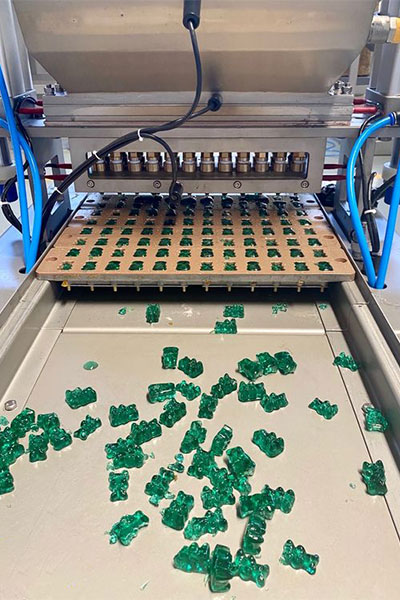
- Gummies Manufacturing
- Capsules & Tablets Manufacturing
- Drops & Gels Manufacturing
- Powders Manufacturing
Explore Our Manufacturing Capabilities
For brands operating in highly competitive regions, understanding regional pricing dynamics, such as analyzing the protein powder price 2025 metrics, allows you to engineer your formula to hit exact retail price targets without sacrificing quality.
Frequently Asked Questions
How long does the Dietary Supplement Contract Manufacturing Process take?
In most professional situations, the entire process from initial formulation to final delivery takes between 8 to 12 weeks for a completely new custom product. Reorders of an established formula typically take 4 to 6 weeks, depending heavily on raw material availability.
Can I supply my own ingredients to a contract manufacturer?
Yes, this specific arrangement is known as Toll Manufacturing. However, any reputable cGMP facility will require you to provide a valid Certificate of Analysis (COA) for your ingredients and will still quarantine and re-test them in-house before allowing them onto their production floor.
What certifications should I look for in a supplement manufacturer?
You must strictly require cGMP (Current Good Manufacturing Practice) compliance. Additional high-tier certifications that demonstrate exceptional facility standards include FSSC22000, NSF International registration, and specific market requirements like HALAL or Kosher certifications.
What is an MOQ in contract manufacturing?
MOQ stands for Minimum Order Quantity. It is the lowest volume of product a manufacturer is willing to produce in a single run. For custom capsules, this is often 100,000 to 250,000 capsules. For custom gummies, MOQs can exceed 500,000 pieces due to the extensive machinery setup required.
Industry References & Authoritative Guidelines
To ensure our manufacturing protocols and quality control guidance adhere to the highest global standards, ENZ Pharmtech aligns with the frameworks established by the following authoritative organizations:
- U.S. Food and Drug Administration (FDA): The definitive regulatory body dictating the Code of Federal Regulations (21 CFR Part 111) which mandates the Current Good Manufacturing Practices (cGMP) for dietary supplements. Review FDA Dietary Supplement Regulations
- NSF International: An independent, global public health organization that tests and certifies supplement manufacturing facilities to ensure they meet strict public health and safety standards. Review NSF Certification Standards
- National Institutes of Health (NIH) – ODS: The Office of Dietary Supplements provides rigorous scientific data and fact sheets regarding the efficacy, safety, and bioavailability of raw nutritional ingredients used during formulation. Review NIH Ingredient Data