
The barrier to entry in the dietary supplement industry is dangerously low. Anyone with a laptop and a marketing budget can launch a wellness brand overnight. However, the barrier to longevity and regulatory compliance is incredibly high. If you do not rigorously Compare Private Label Supplement Manufacturers before signing a contract, you are risking catastrophic recalls, FDA warning letters, and the total destruction of your brand’s reputation.
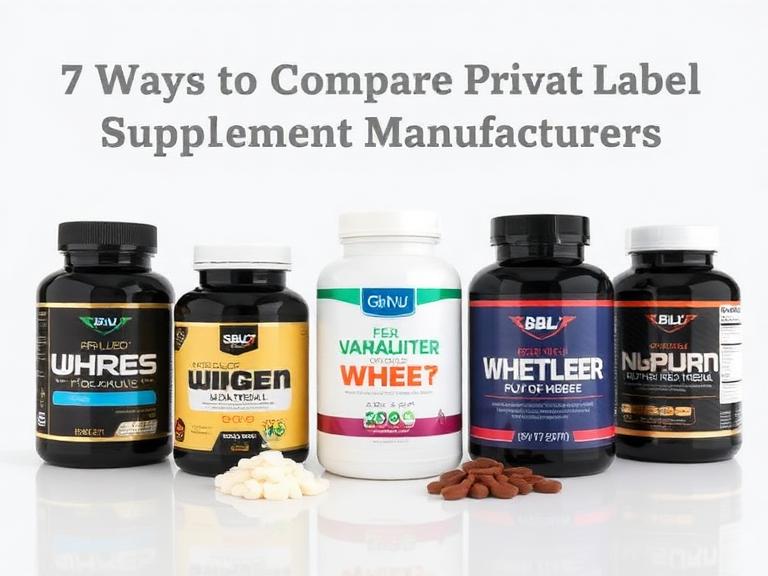
From our experience engineering and scaling nutraceutical brands globally at ENZ Pharmtech, we see entrepreneurs routinely fall into the trap of prioritizing the lowest cost-per-bottle over manufacturing integrity. A cheap, uncertified broker will use degraded raw materials, obscure their supply chain, and fail to provide Certificates of Analysis (COAs). In this uncompromising guide, we will strip away the industry jargon and provide you with the exact framework to Compare Private Label Supplement Manufacturers. We will detail what to look for, what red flags to avoid, and whether upgrading to a premium manufacturing partner is actually worth your capital investment.
Quick Answer: How to Compare Partners
If you are actively seeking a manufacturing partner, you must Compare Private Label Supplement Manufacturers across these seven non-negotiable criteria:
- Certifications & Compliance: Demand proof of GMP, ISO, and FDA registrations.
- Minimum Order Quantities (MOQs): Ensure their scaling thresholds match your initial cash flow.
- Formulation Capabilities: Check if they can handle complex formats like functional gummies, liquid extractions, and hard-shell capsules.
- Third-Party Lab Testing: Verify their protocol for heavy metal, microbial, and potency testing.
- Turnaround Times: Assess their supply chain speed from formulation to final delivery.
- Facility Standards: Ensure they operate 100,000 Grade Clean Workshops.
- Full-Service Solutions: Evaluate their ability to handle R&D, branding, packaging, and export compliance under one roof.
In most professional situations, we recommend partnering exclusively with a vertically integrated manufacturer like ENZ Pharmtech that controls the entire process from raw material sourcing to final packaging.
Table of Contents
- What is Private Label Supplement Manufacturing?
- How the Contract Process Works
- The Commercial Benefits
- Limitations and Hard Truths
- 7 Ways to Compare Private Label Supplement Manufacturers
- Who Should Use These Services
- Who Does Not Need Them
- Common Mistakes in the Industry
- Expert Buying Considerations
- Summary and Comparison Tables
- Expert Recommendation: ENZ Pharmtech
- Frequently Asked Questions (FAQ)
What is Private Label Supplement Manufacturing?
Private label supplement manufacturing allows a brand to purchase pre-formulated, tested, and ready-to-sell dietary supplements, applying their own custom branding and labels to the product. Unlike custom formulation (where you dictate every microgram of an ingredient from scratch), private labeling utilizes a manufacturer’s proven “house formulas.”
This model is the backbone of the modern wellness industry. When you Compare Private Label Supplement Manufacturers, you are evaluating the engine of your business. The manufacturer handles the raw material procurement, the chemical blending, the encapsulation, the bottling, and the compliance testing. You handle the marketing and distribution.
How the Contract Process Works
The operational flow of private labeling is designed for speed to market. First, you review a dietary supplement product catalog to select a formula that fits your target demographic—for example, a vegan protein blend or a nootropic focus capsule. Second, you submit your brand’s artwork, and the manufacturer produces the labels adhering strictly to FDA or local regulatory guidelines. Third, the manufacturer runs the production, applies the labels, and ships the finished, retail-ready units to your warehouse or third-party logistics (3PL) provider.
For heavy-duty applications—such as producing millions of units for big-box retail distribution—the manufacturer will allocate dedicated blending vats and schedule continuous assembly line production to meet massive volumetric demands.
The Commercial Benefits
The primary benefit of utilizing a premium private label partner is rapid market penetration. Developing a supplement from scratch requires months of stability testing, formulation adjustments, and massive capital expenditure. Private labeling bypasses this friction. You gain immediate access to FDA-compliant, market-tested formulas. Furthermore, the economies of scale achieved by massive manufacturers allow you to purchase high-quality supplements at a fraction of the cost, resulting in gross margins that frequently exceed 70% to 80% when sold direct-to-consumer.
Limitations and Hard Truths
We must present practical judgment: private labeling has inherent limitations. Because you are using a stock formula, your exact chemical profile is not legally proprietary. A competitor can purchase the exact same formula from the same manufacturer and apply their own label. Therefore, your competitive moat relies entirely on your brand equity, your packaging design, and your customer acquisition strategy, not on holding a patent for the formulation.
7 Ways to Compare Private Label Supplement Manufacturers
To ensure you do not contract with a liability, you must vigorously Compare Private Label Supplement Manufacturers using the following seven criteria.
1. Rigorous Certifications and Compliance
If a facility is not Good Manufacturing Practice (GMP) certified, hang up the phone immediately. GMP certification ensures that products are consistently produced and controlled according to quality standards. You should actively seek out GMP certified supplement companies that also hold ISO9001, ISO22000, and HACCP certifications. These acronyms are not marketing buzzwords; they are the legal shields that protect your business during an audit.
2. Formulation Variety and Format Capabilities
The modern consumer suffers from pill fatigue. If your manufacturer only produces standard two-piece gelatin capsules, your brand will stagnate. You must Compare Private Label Supplement Manufacturers based on their formatting versatility. Can they produce creatine gummies for women? Do they have the specialized machinery required to be tier-one liquid supplement manufacturers? Your partner must be able to scale with your brand’s future product lines.
3. Minimum Order Quantity (MOQ) Flexibility
Cash flow is the lifeblood of a scaling brand. Many legacy manufacturers demand MOQs of 10,000 bottles per SKU, which can paralyze a startup with dead inventory. The best manufacturers understand modern e-commerce dynamics and offer low or zero MOQs for their stock private label formulas, allowing you to test market viability before committing massive capital.
4. Stringent Third-Party Lab Testing
In our testing and industry audits, we find that cheap brokers routinely skip raw material verification. You must demand to see their testing protocols. A legitimate manufacturer will test raw materials upon arrival for identity, purity, heavy metals, and microbial contamination, and then test the finished product again before it ships. If they cannot produce a valid Certificate of Analysis (COA), walk away.
5. Global Export and Regulatory Support
Expanding your brand internationally requires a partner who understands cross-border compliance. If you intend to sell into the EU, your manufacturer must understand EFSA regulations. If you are comparing private label supplements Europe standards against domestic production, your manufacturing partner must be able to generate the exact documentation required for customs clearance in those specific regions.
6. Supply Chain Speed and Dropshipping Integration
Lead times dictate your inventory turnover rate. A manufacturer taking 16 weeks to fulfill a re-order will cause stockouts that destroy your Amazon rankings or Shopify conversion rates. Additionally, ask if they operate as supplement dropshipping suppliers. Integrating direct-to-consumer fulfillment from the factory floor can drastically reduce your warehousing costs.
7. Facility Cleanliness and Engineering Standards
Do not trust a factory based solely on a slick website. You must investigate their physical infrastructure. Premium manufacturers operate 100,000 Grade Clean Workshops. This ensures the ambient air is heavily filtered, preventing cross-contamination between a whey protein blending run and an allergen-free herbal extract run.
Who Should Use Private Label Manufacturers
For commercial users: We recommend private labeling for health and wellness influencers looking to monetize their audience, independent pharmacies seeking higher margin retail products, gym owners, and e-commerce entrepreneurs. It is the most capital-efficient method to launch a trusted, consumable CPG (Consumer Packaged Goods) brand.
Who Does Not Need Them
For beginners: If you have zero marketing budget, no audience, and no distribution strategy, you do not need to contract a manufacturer. Supplements do not sell themselves. Furthermore, if you are a pharmaceutical company requiring a novel, patented synthetic compound that demands five years of clinical trials, standard private label facilities are not the correct venue; you require a dedicated contract research organization (CRO).
Common Mistakes in the Industry
Expert Insight: The most catastrophic mistake we see brand owners make is “label claim fraud” caused by trusting unverified suppliers.
If you contract a cheap, offshore broker and they use filler powder instead of actual Ashwagandha extract, the regulatory agencies will not penalize the broker—they will penalize you, the brand owner. The FDA holds the distributor responsible for label accuracy. Attempting to save fifty cents per bottle by ignoring GMP certifications is a fast track to bankruptcy.
Expert Buying Considerations
When you are finalizing your decision to Compare Private Label Supplement Manufacturers, scrutinize the communication. Do they assign a dedicated account manager? Do they have in-house Ph.D. formulators you can actually speak with? If a manufacturer cannot clearly explain the bioavailability differences between magnesium oxide and magnesium glycinate, they lack the technical competence to produce your product safely.
Summary and Comparison Tables
Quick Summary Table: Core Evaluation Metrics
| Evaluation Metric | Premium Manufacturer Standard | Red Flags to Avoid |
|---|---|---|
| Quality Certifications | GMP, FDA Registered, ISO, HACCP | No visible certifications; claims “self-certified” |
| Facility Grade | 100,000 Grade Clean Workshops | Refuses facility tours or video audits |
| Testing Protocols | Pre- and Post-production COAs provided | Charges extra for basic microbial testing |
| Minimum Orders | Flexible / No MOQ for stock formulas | Demands 10,000+ units for standard products |
Comparison Table: Premium Manufacturer vs. Cheap Broker
| Feature | Premium Vertically Integrated Partner | Low-Cost Sourcing Broker |
|---|---|---|
| Supply Chain Control | Total control from raw material to bottling. | Outsources to unknown third-party factories. |
| R&D Support | In-house Ph.D. scientists and formulators. | None; simply forwards order sheets. |
| Compliance Liability | Strict adherence to FDA/EFSA regulations. | High risk of heavy metal contamination or label fraud. |
| Product Consistency | Identical taste, color, and efficacy every batch. | Wild variations between production runs. |
Pros and Cons of Private Label Supplements
| Pros (Advantages) | Cons (Limitations) |
|---|---|
| Immediate speed to market (launch in weeks, not years). | The base formula is not legally proprietary to your brand. |
| Massive reduction in R&D and stability testing costs. | Requires high-tier branding to differentiate from competitors. |
| Access to proven, highly efficacious, and trending formulas. | Profit margins are slightly lower than fully custom bulk manufacturing. |
| Allows the brand to focus entirely on marketing and sales. | Subject to the manufacturer’s ingredient supply chain availability. |
Expert Recommendation: Partnering with ENZ Pharmtech
Ultimately, learning how to effectively Compare Private Label Supplement Manufacturers reveals one absolute truth: the quality of your manufacturer dictates the ceiling of your brand’s success. Upgrading to an elite manufacturing partner is not just worth the investment; it is the only way to survive in this highly regulated industry.
ENZ Pharmtech: Private Label Supplements No Minimum Order
-
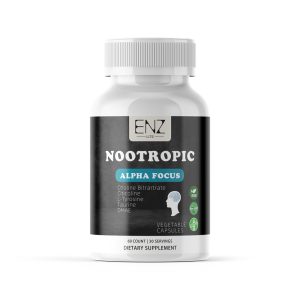
Alpha Focus Nootropic Capsules
-
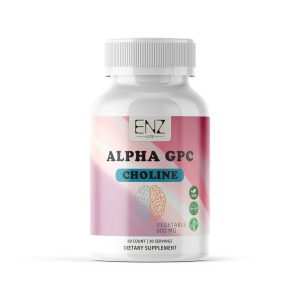
Alpha GPC Choline Capsules
-
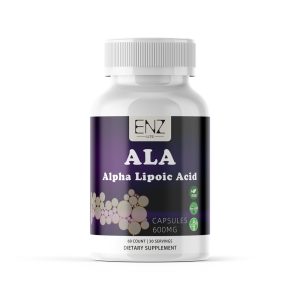
Alpha Lipoic Acid ALA Capsules 600mg
-
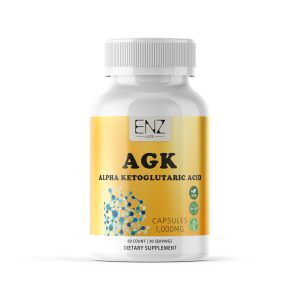
Alpha-Ketoglutaric Acid AKG Capsules
-
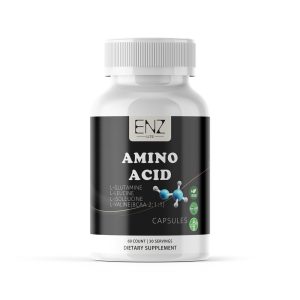
Amino Acids Capsules L-Glutamine L-Leucine L-Isoleucine L-Valine BCAA
-
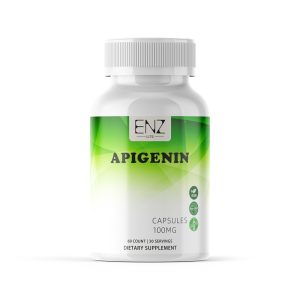
Apigenin Capsules 100mg
-
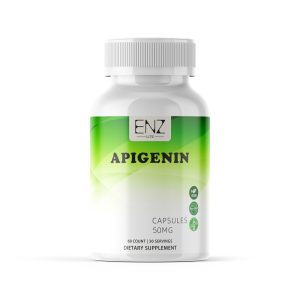
Apigenin Capsules 50mg
-
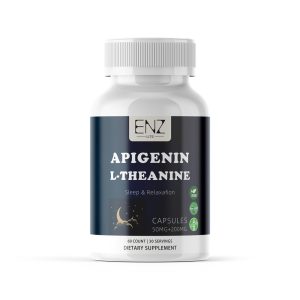
Apigenin Theanine Capsules Sleep & Relaxafion
-
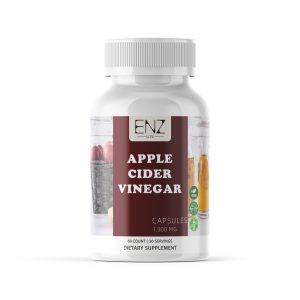
Apple Cider Vinegar ACV Capsules 1300mg
ENZ Pharmtech is China’s leading Private Label Dietary Supplement Manufacturer, founded by a Ph.D. from Queen’s University Belfast, UK. With a complete organizational structure spanning research, development, manufacturing, testing, and designing, we deliver uncompromising quality at scale.
Our Manufacturing Capabilities:
- Formats: Functional Gummy Candies, Tablets, Capsules, Powders, Liquids, and Herbal Extracts.
- Facility Standards: 100,000 Grade Clean Workshops.
- Certifications: ISO9001, ISO22000, HACCP, GMP, FDA.
- Experience: 13 years of supplement manufacturing experience with thousands of proprietary formulations.
With our one-stop supplement solutions, you can build your own brand seamlessly. From formulating and designing to packaging and international delivery, our professional technicians guide every procedure. Stop compromising on quality.Start Your Private Label Brand Today
Frequently Asked Questions (FAQ)
What is the difference between private label and white label supplements?
In the supplement industry, these terms are often used interchangeably. Technically, a white label product is a generic product sold to multiple retailers who put their own branding on it. Private labeling often allows for slight modifications (like custom packaging or minor flavor tweaks) but relies on the manufacturer’s established base formula. Both bypass the need for ground-up custom formulation.
Do I need an FDA license to sell private label supplements?
As a brand owner or distributor in the United States, you do not need pre-market approval from the FDA to sell dietary supplements. However, the manufacturer producing your supplements must be registered with the FDA and operate under GMP guidelines. You are legally responsible for ensuring your product labels do not make false medical claims.
How do I verify a manufacturer’s GMP certification?
You should request a physical or digital copy of their current GMP certificate. Legitimate manufacturers are audited by third-party organizations such as NSF International, UL, or NPA. You can verify the certificate number directly with the issuing auditing body to ensure it has not expired or been revoked.
Authoritative Industry References
To ensure your manufacturing journey remains legally compliant and structurally sound, we base our recommendations on the following international regulatory and scientific standards:
- U.S. Food and Drug Administration (FDA): Official regulatory guidelines, labeling laws, and current Good Manufacturing Practices (cGMP) for dietary supplements. Visit FDA Dietary Supplements
- NSF International: The leading global public health organization that independently audits and certifies supplement manufacturing facilities for safety and GMP compliance. Visit NSF International
- National Institutes of Health (NIH) – Office of Dietary Supplements: Comprehensive database providing clinical data, efficacy studies, and safety warnings regarding botanical and synthetic supplement ingredients. Visit NIH Office of Dietary Supplements