
The barrier to entry for launching a wellness brand is virtually non-existent today. Anyone with an internet connection and a few thousand dollars can slap a logo on a bottle of Vitamin C. Consequently, the market is severely oversaturated with low-quality, generic products that fail to generate repeat customers. From our experience, 90% of new supplement brands fail within their first eighteen months not because of poor marketing, but because the founders fundamentally misunderstood the mechanics of private label food supplements.
We refuse to endorse the narrative that building a profitable supplement brand is easy. It requires ruthless supply chain management, uncompromising adherence to regulatory standards, and a deep understanding of your profit margins. If you want to build an asset that generates long-term commercial value, you must look past the glossy brochures of contract manufacturers and understand the operational reality of the products you are selling.
Quick Answer: What You Must Know Before Starting
Before investing capital into private label food supplements, you must understand these 7 non-negotiable factors: 1) Formulations are pre-set; you do not own the IP. 2) GMP certifications are your only shield against legal liability. 3) Minimum Order Quantities (MOQs) will dictate your cash flow. 4) Label claims are strictly regulated by agencies like the FDA. 5) Delivery formats (gummies vs. capsules) drastically alter your margins. 6) Geographic sourcing impacts both cost and consumer trust. 7) Your manufacturer is a strategic partner, not just a vendor. For commercial users aiming for rapid market entry with minimal R&D costs, private labeling is highly profitable, provided you partner with a heavily vetted, certified facility.
Table of Contents
- What It Is and How It Works
- The 7 Things You Need to Know
- Benefits and Limitations
- Who Should Use It & Who Does Not Need It
- Pros vs Cons & Comparison Tables
- Common Mistakes to Avoid
- Buying Considerations & Guide
- Expert Recommendation
- Frequently Asked Questions (FAQ)
- Authoritative References
What It Is and How It Works
Private labeling in the nutraceutical industry involves purchasing pre-formulated, pre-manufactured dietary supplements from an established facility and selling them under your proprietary brand name. Unlike custom contract manufacturing—where you dictate the exact milligrams of every raw ingredient and pay exorbitant Research and Development (R&D) fees—private labeling allows you to select from a catalog of proven, shelf-stable formulas.
How it works is straightforward: A manufacturer produces massive batches of high-demand products (e.g., Ashwagandha, Whey Protein, Multivitamin Gummies). You choose a product, design your label according to the manufacturer’s die-lines, and they apply your label to the bottles before shipping them to your fulfillment center. In most professional situations, this cuts the time-to-market from 8-12 months down to 4-6 weeks.
The 7 Things You Need to Know for Private Label Food Supplements
1. You Do Not Own the Formulation Intellectual Property
When you utilize private label food supplements, you are leasing a formula. The manufacturer retains the Intellectual Property (IP). If you decide to switch manufacturers later, you cannot legally demand the exact recipe file. Your new manufacturer will have to reverse-engineer the product, which may result in slight variations in taste, color, or efficacy. You must be comfortable building a brand around marketing and customer experience, rather than a proprietary scientific breakthrough.
2. GMP Certification is Your Only Legal Shield
The supplement industry is highly regulated post-market, meaning the FDA won’t check your product before you sell it, but they will ruthlessly audit you if a consumer gets sick. You must verify that your partner is operating out of a Good Manufacturing Practice (GMP) certified facility. We recommend cross-referencing your potential partner with a verified GMP certified supplements list. If they lack ISO, HACCP, or GMP documentation, walking away is your only viable commercial decision.
3. Minimum Order Quantities (MOQs) Will Dictate Cash Flow
Manufacturers do not turn on their machines for 50 bottles. Standard MOQs for private label products range from 500 to 1,000 units per SKU. If you want a customized flavor for a powder, that MOQ might jump to 5,000 units. You must calculate your landed costs accurately. For beginners with highly restricted capital, purchasing massive MOQs is commercial suicide. In such cases, exploring supplement dropshipping suppliers is a vastly safer initial route to test market demand.
4. Delivery Formats Drastically Alter Profit Margins
Not all supplements cost the same to produce or ship. Hard-shell capsules are cheap to manufacture, lightweight, and heat-stable. Conversely, working with a specialized gummy vitamins manufacturer requires specialized temperature-controlled shipping, as gummies will melt into a single block of pectin if shipped in a hot truck. Liquid supplements are heavy and expensive to ship. You must align your delivery format with your logistical capabilities.
5. Regulatory Compliance and Label Claims are Unforgiving
You cannot legally claim that your supplement “cures,” “treats,” or “prevents” any disease. You are restricted to structure/function claims (e.g., “Supports healthy joint function”). The manufacturer provides the product, but you are the legal “Brand Owner” and bear the ultimate liability for what is printed on your label. Ignorance of FDA or EFSA guidelines is not a legal defense.
6. Geographic Sourcing Impacts Consumer Trust
Where your product is manufactured matters to your end consumer. A “Made in the USA” label carries weight. If your demographic demands premium domestic sourcing, you must evaluate the top supplement manufacturers USA 2025 has to offer. However, if you are competing purely on price in international markets, sourcing from food supplement manufacturers Malaysia or Eastern Europe can provide incredible margin advantages while maintaining strict ISO standards.
7. Your Manufacturer is a Strategic Partner, Not a Vending Machine
Treating your supplier as a disposable commodity will result in production delays and stock-outs. You need a facility that offers seamless communication, transparent raw material sourcing, and scalable capacity. If your product goes viral on social media, your manufacturer must have the infrastructure to scale from 1,000 units a month to 50,000 units a month without compromising quality.
Benefits and Limitations
The primary benefit of private label food supplements is speed to market. You bypass the grueling R&D phase, stability testing, and formulation tweaking. You also benefit from massive economies of scale; because the manufacturer produces these formulas in bulk for multiple brands, your cost-per-unit is exceptionally low.
The severe limitation is a lack of differentiation. Your competitor could be buying the exact same ashwagandha formula from the same factory, just with a different label. To succeed, your marketing, packaging design, and brand story must be heavily optimized to justify your price point.
Who Should Use It & Who Does Not Need It
For commercial users: E-commerce entrepreneurs, gym owners, dietitians, and social media influencers with an existing audience should absolutely utilize private labeling. It allows you to monetize your audience immediately with high-margin, consumable products without needing a degree in biochemistry.
Who does not need it: For heavy-duty applications—such as medical professionals wanting to patent a novel, clinically unproven synergistic compound—private label food supplements are useless. You require custom formulation and contract manufacturing. Furthermore, if you are seeking complex domestic formulations on the west coast, you would bypass private label catalogs and speak directly to contract supplement manufacturers California based facilities.
Pros vs Cons & Comparison Tables
| Element | Standard Expectation | Commercial Impact |
|---|---|---|
| Time to Market | 4 to 6 Weeks | Allows for rapid trend capitalization. |
| R&D Costs | Zero | Frees up capital exclusively for marketing and customer acquisition. |
| Product Differentiation | Low | Requires superior branding and packaging to stand out. |
| Liability | High (Brand Owner) | Requires strict adherence to label claim regulations. |
| Feature | Private Label | Custom Contract Manufacturing | Supplement Dropshipping |
|---|---|---|---|
| Formulation | Pre-existing / Proven | 100% Custom / Novel | Pre-existing |
| MOQs | Medium (500 – 1,000) | Very High (5,000 – 10,000+) | Zero (On-Demand) |
| Profit Margins | High | Highest (at scale) | Low to Medium |
| Ideal User | Brand builders, Influencers | Medical brands, Innovators | Beginners, Risk-averse testers |
Common Mistakes to Avoid
In our testing of various supply chains, we continually see new brands make devastating errors. The most common is miscalculating landed costs. Beginners look at a $3.00 per bottle quote and assume massive profits, completely ignoring inbound freight costs, label design fees, fulfillment center pick-and-pack fees, and merchant processing fees. A $3.00 bottle often costs $7.00 landed.
Another major mistake is violating labeling laws. We see brands making illegal claims on their private label products, assuming the manufacturer’s generic formula protects them. It does not. If you claim your private label Vitamin D “cures viral infections,” the FDA will issue a warning letter directly to your company, potentially resulting in account suspensions on major platforms like Amazon or Shopify.
Lastly, ignoring regional compliance is a fast track to seized inventory. If you plan to sell private label supplements Europe style, you must navigate strict EFSA (European Food Safety Authority) regulations, which often ban ingredients that are perfectly legal in the United States.
Buying Considerations & Guide
| Consideration | What to Demand | Why it Matters |
|---|---|---|
| Certifications | ISO, cGMP, FDA Registered, HALAL (if applicable) | Ensures the facility follows strict sanitary and quality control guidelines. |
| Third-Party Testing | Certificate of Analysis (COA) for every batch | Proves the product actually contains the ingredients listed on the label, free of heavy metals. |
| Ingredient Sourcing | Transparent supply chains (e.g., knowing your herbal extracts suppliers South Africa or Asia) | Consumers demand clean labels. Ambiguous sourcing damages brand trust. |
| Scalability | Automated bottling and labeling lines | If you go viral, your manufacturer must be able to scale production rapidly to prevent stock-outs. |
Expert Recommendation
Launching a supplement brand using white-label products is an exceptionally smart commercial strategy, provided you do not compromise on the manufacturing source. Sourcing cheap, unverified pills will destroy your brand’s reputation permanently. You must demand excellence, transparency, and certifications from your partner.
Partner with ENZ Pharmtech
-
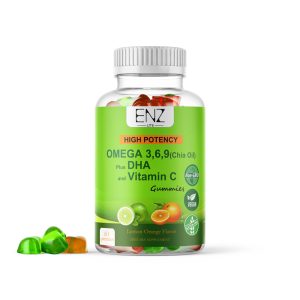
Omega 369 Gummies High Potency Chia Oil DHA
-
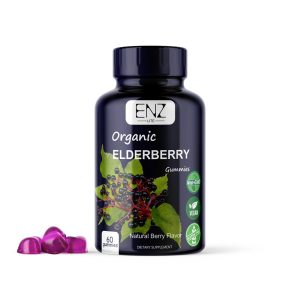
Organic Elderberry Gummies Vitamin C Zinc
-
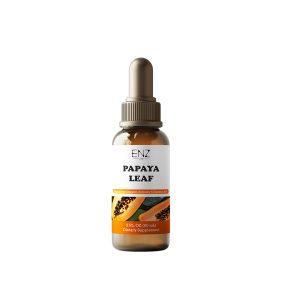
Papaya Leaf Extract Blood Platelet Support Drop Supplement
-
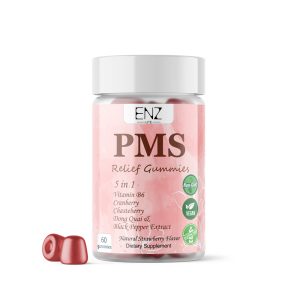
PMS Relief Gummies 5 In 1
-
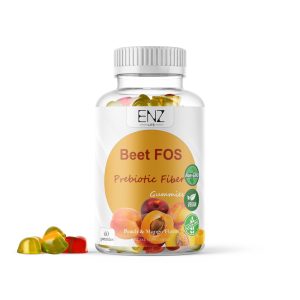
Prebiotic Fiber Gummy Beet FOS
-
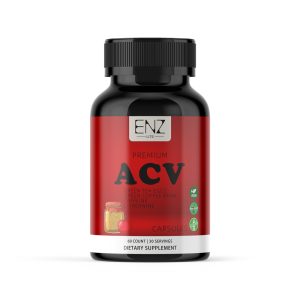
Premium ACV Thermo Capsules
-
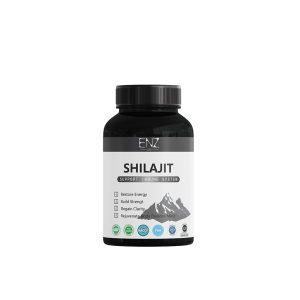
Premium Shilajit Capsules Pure Himalayan Shilajit for Men
-
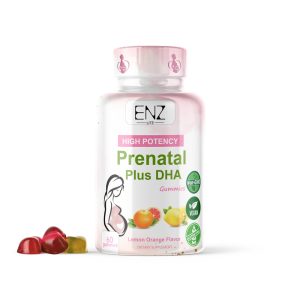
Prenatal DHA Gummies
-
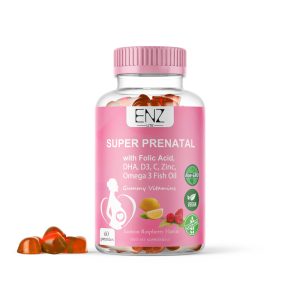
Prenatal Gummies Folic Acid HDA Multivitamin
ENZ Pharmtech Dietary Supplement Manufacturer offers a One-Stop Solution Service for Private Label Manufacturing. With excellent equipment, state-of-the-art facilities, efficient production lines, strict processes, mature formulations, a professional team, and decades of experience, they represent the pinnacle of industry reliability.
ENZ Pharmtech is highly qualified in health supplement fields and certified by ISO (FSSC22000), HACCP, GMP, BRCS, FDA, HALAL, and more. Whether you need an established protein powder supplier Singapore based formulation or specialized herbal capsules, they provide the regulatory safety net and manufacturing scale required to build a massive brand. We strongly recommend reviewing their dietary supplement product catalog to launch your business with proven, high-converting formulas.
Frequently Asked Questions (FAQ)
Is private label food supplements legal?
Yes, private labeling is completely legal and is a standard business model in the dietary supplement industry. However, you are legally responsible as the brand owner to ensure your labels comply with FDA (or regional) regulations and that your manufacturer operates under cGMP guidelines.
How much does it cost to start a private label supplement brand?
Depending on the manufacturer’s MOQs and the specific product, you can typically launch a single private label supplement SKU for between $2,000 and $5,000. This includes the cost of the product, custom label printing, and initial shipping.
Can I change the ingredients in a private label supplement?
No. Private label formulas are pre-set, shelf-stable, and pre-tested by the manufacturer. If you want to add, remove, or change the dosage of an ingredient, you must transition to custom contract manufacturing, which requires significantly higher MOQs and R&D fees.
What is the most profitable private label supplement?
Profitability depends on your marketing execution, but high-margin products typically include trending nootropics, specialized collagen blends, and targeted gummy vitamins. Consumables that customers must reorder every 30 days yield the best lifetime value.
Authoritative References
To ensure your private label business remains compliant and informed, we recommend consulting the following authoritative bodies regarding dietary supplement manufacturing and marketing standards:
- U.S. Food and Drug Administration (FDA) – The federal agency providing strict guidelines on dietary supplement labeling, health claims, and Good Manufacturing Practices (cGMP).
- NSF International – A leading independent standards organization that certifies manufacturing facilities to ensure public health protection and product safety.
- National Institutes of Health (NIH) Office of Dietary Supplements – The premier academic and governmental source for evaluating the scientific efficacy, safety, and required dosages of dietary supplement ingredients.