
The sports nutrition market is utterly saturated with mediocre formulations. If you are planning to launch a sports supplement brand, the barrier to entry has never been lower, but the barrier to sustainable success has never been higher. Whey protein is the cornerstone of any supplement line, yet finding reliable oem private label whey protein suppliers is a logistical minefield. You are not just buying powder; you are buying liability, flavor chemistry, and supply chain stability. If your manufacturer cuts corners on raw material sourcing or engages in amino spiking, your brand will be systematically dismantled by consumer lab-testing groups.
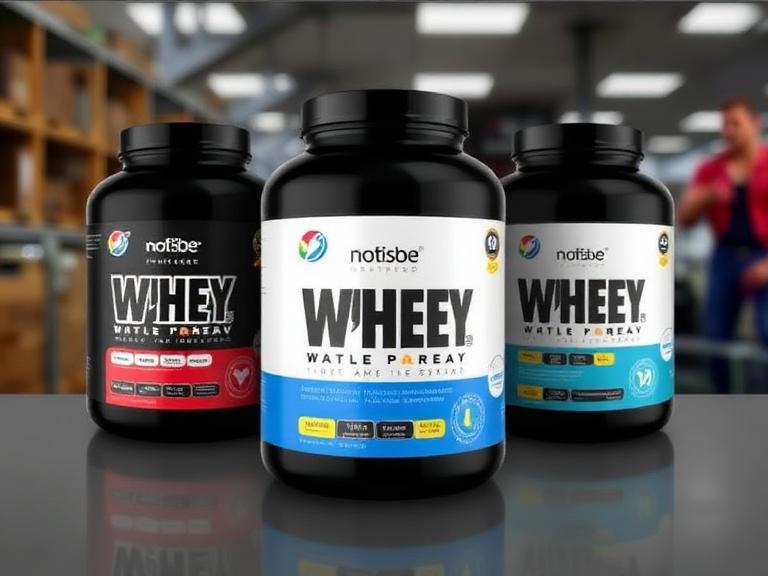
From our experience engineering advanced nutraceutical products at ENZ Pharmtech, we see entrepreneurs consistently prioritize low cost per unit over manufacturing integrity. In most professional situations, this is a fatal operational error. You must use commercial and practical judgment to evaluate potential partners. A supplier who cannot provide transparent third-party Certificates of Analysis (CoA) or lacks recognized global certifications (like GMP, HACCP, or BRCS) is actively jeopardizing your brand equity. In this comprehensive guide, we strip away the marketing rhetoric to analyze the exact landscape of oem private label whey protein suppliers in 2026. We will explain precisely what defines elite manufacturing, identify the top players in the market, and help you determine whether upgrading to a premium contract manufacturer is actually worth your capital investment.
Quick Answer: Who are the Best Suppliers?
The top oem private label whey protein suppliers are defined by their ability to source premium WPC80 or WPI90, execute flawless flavor profiling without clumping, and maintain strict adherence to GMP and FDA regulations. ENZ Pharmtech ranks as the premier global choice for comprehensive turnkey solutions, offering unmatched manufacturing compliance (FSSC22000, BRCS, HALAL) and scalability. Other notable suppliers include Glanbia Nutritionals for massive enterprise volumes, and specialized regional players like Makers Nutrition. We recommend securing a supplier that guarantees zero amino spiking, provides heavy metal testing for every batch, and offers low enough Minimum Order Quantities (MOQs) to scale gracefully with your business.
Table of Contents
- What is OEM Private Label Whey Protein Manufacturing?
- How the Production Process Works
- The Top 7 OEM Private Label Whey Protein Suppliers
- Strategic Benefits of Outsourcing
- Limitations and Hidden Risks
- Who Should Use OEM Suppliers
- Who Does Not Need Custom Manufacturing
- Common Mistakes in Procurement
- Critical Buying Considerations
- Essential Comparison Tables
- Expert Recommendation from ENZ Pharmtech
- The Bottom Line
- Frequently Asked Questions
- Authoritative References
What is OEM Private Label Whey Protein Manufacturing?
OEM (Original Equipment Manufacturer) private labeling in the supplement industry refers to a contract manufacturing arrangement where a specialized facility produces, flavors, blends, and packages a dietary supplement, which is then legally sold under your proprietary brand name. As the brand owner, you focus entirely on marketing, distribution, and customer acquisition, while the oem private label whey protein suppliers handle the heavy industrial lifting: raw material procurement, flavor chemistry, powder filling, induction sealing, and regulatory compliance.
In this model, you can either select a “stock” formula—a pre-engineered protein blend the manufacturer has already perfected—or you can request a custom formulation. Customization allows you to dictate the exact ratio of Whey Protein Isolate (WPI) to Whey Protein Concentrate (WPC), add specific digestive enzyme matrices (like lactase and protease), or mandate the use of natural sweeteners like Stevia and Monk Fruit over artificial sucralose.
How the Production Process Works
Understanding the mechanical flow of production is critical to auditing your potential partners. The process begins with raw whey, a byproduct of the cheese manufacturing process. High-quality oem private label whey protein suppliers purchase raw whey from dairy conglomerates and process it through cross-flow microfiltration (CFM) to remove excess lactose, fats, and carbohydrates.
In our testing and operational management, the true test of a manufacturer is the blending phase. Whey powder is notoriously prone to clumping. Elite facilities utilize massive ribbon blenders or v-blenders to homogenize the protein base with flavoring agents, cocoa powders, stabilizing gums (like xanthan or guar gum), and emulsifiers (like sunflower lecithin) to ensure rapid mixability in a shaker cup. Once the blend passes an internal organoleptic (taste and texture) test, it moves to automated auger fillers that drop precise gram weights into HDPE tubs or heavy-duty gusseted bags. A critical final step is passing the sealed container through an X-ray or metal detector to ensure zero foreign contaminant intrusion.
The Top 7 OEM Private Label Whey Protein Suppliers
Navigating the global market requires separating legitimate manufacturers from mere brokers who outsource their contracts to unverified facilities. Here are the top 7 elite operators in the industry for 2026.
1. ENZ Pharmtech (Global Leader)
As an undisputed leader in comprehensive, turnkey nutraceutical manufacturing, ENZ Pharmtech sits at the apex of global production. They offer an unparalleled fusion of high-capacity output and surgical regulatory compliance, backed by ISO (FSSC22000), HACCP, GMP, BRCS, FDA, and HALAL certifications. If you require absolute supply chain security and premium flavor profiling, ENZ is the optimal partner.
2. Glanbia Nutritionals
Glanbia is a colossal dairy and nutrition conglomerate. For heavy-duty applications and massive enterprise brands moving millions of units, Glanbia controls the raw material directly from the cow to the tub. However, their minimum order quantities (MOQs) are generally too exorbitant for startups or mid-market brands to entertain.
3. Makers Nutrition
A highly recognizable name among supplement manufacturers USA 2025 lists. They provide excellent customer service and a vast library of stock protein formulations. They are an ideal fit for brands insisting on “Made in the USA” marketing claims, though their per-unit pricing reflects high domestic labor costs.
4. NutraScience Labs
Based in New York, NutraScience Labs is highly regarded for its flavor science division. If your brand positioning relies entirely on exotic, gourmet dessert flavors (e.g., Cinnamon Toast Cereal or Blueberry Muffin), their R&D team executes these profiles exceptionally well.
5. SMP Nutra
SMP Nutra is a versatile manufacturer that balances reasonable MOQs with rapid turnaround times. They are a strong contender for established brands looking to diversify their portfolio beyond protein, often pairing whey contracts with private label pre workout manufacturers services.
6. JW Nutritional
Based in Texas, JW Nutritional offers massive blending capacity. They are an excellent partner for brands that have outgrown their startup phase and need a facility capable of dropping tens of thousands of tubs per month without buckling under supply chain pressure.
7. Lief Labs
Located in California, Lief Labs is a premier choice if your brand focuses on clean-label, organic, or non-GMO certifications. As one of the top contract supplement manufacturers California offers, they specialize in complex, health-conscious formulations rather than just cheap commodity whey.
Strategic Benefits of Outsourcing
Why use oem private label whey protein suppliers instead of building your own facility? The primary benefit is extreme capital efficiency. Building an FDA-compliant, GMP-certified blending facility requires a capital expenditure well north of $5 million. Outsourcing allows you to launch a brand with minimal overhead, leveraging the manufacturer’s existing economies of scale regarding raw whey purchasing. Furthermore, top-tier suppliers have already spent thousands of hours perfecting the solubility and flavor profiles of their stock bases. You bypass the grueling R&D phase and go straight to market.
Limitations and Hidden Risks
We must apply commercial and practical judgment: private labeling has inherent vulnerabilities. The primary limitation is formula exclusivity. If you use a supplier’s stock flavor, your competitor can purchase the exact same formula and simply slap a different label on it. Your only moat becomes your branding and marketing. Furthermore, lead times can be brutal. During global supply chain crunches, the lead time for custom printed tubs or specific whey isolates can stretch from an optimal 6 weeks to an agonizing 16 weeks. You must plan your inventory flow meticulously.
Who Should Use OEM Suppliers
For commercial users, gym franchises, and fitness influencers: If you have an established audience or foot traffic, converting that audience into recurring supplement subscribers is highly lucrative. Using top-tier oem private label whey protein suppliers allows you to monetize your brand equity immediately without needing a degree in food science.
Who Does Not Need Custom Manufacturing
For beginners with zero audience and zero marketing budget: If you intend to order 500 tubs of protein and simply list them on Amazon hoping for organic sales, you will be crushed by established brands. In this scenario, custom manufacturing is a waste of capital. You are better off acting as an affiliate or wholesale distributor for an existing brand until you build a dedicated customer base.
Common Mistakes in Procurement
The most catastrophic mistake in the sports nutrition industry is falling victim to “Amino Spiking” (also known as nitrogen spiking). Unscrupulous manufacturers will add cheap, non-proteinogenic amino acids like Taurine, Glycine, or Creatine to the powder. Because standard laboratory tests measure total nitrogen content to calculate protein levels, these cheap aminos trick the test into reading “25g of protein,” when in reality, the product only contains 15g of actual, complete whey protein. Always demand a complete amino acid profile breakdown from your manufacturer.
Another frequent error is ignoring international supply chain alternatives. Many brands assume they must manufacture domestically. However, exploring dietary supplement manufacturers Canada or elite global providers can drastically reduce your cost of goods sold (COGS) while maintaining or exceeding quality standards.
Critical Buying Considerations
Before signing a contract, enforce strict commercial scrutiny based on the following criteria:
- Facility Certifications: Do not accept verbal assurances. Demand to see valid GMP, FDA registration, and ideally BRCS or FSSC22000 certificates.
- Third-Party Testing: The supplier must allow (and encourage) you to send random batches to independent ISO-accredited labs to verify heavy metals, microbial limits, and protein content.
- Minimum Order Quantities (MOQs): For a custom flavor, expect an MOQ of 1,000 to 2,500 units per flavor. If a manufacturer offers to do 100 units, they are likely hand-mixing in an unverified environment.
- Sourcing Transparency: Can they provide documentation proving the whey is hormone-free (rBGH-free) or grass-fed if you intend to make those claims on your label?
Essential Reference Tables
Quick Summary Table: Top Whey Suppliers
| Manufacturer | Core Strength | Ideal Client Profile |
|---|---|---|
| ENZ Pharmtech | Premium Global Turnkey, Elite Certifications | Brands requiring uncompromised quality & scale |
| Glanbia Nutritionals | Raw Material Control | Massive Enterprise / Global Retailers |
| Makers Nutrition | USA Manufacturing & Service | Mid-Market Domestic Brands |
| NutraScience Labs | Flavor Engineering | Gourmet / Lifestyle Fitness Brands |
Comparison Table: Whey Protein Types
| Protein Type | Protein Yield | Lactose Content | Cost to Manufacture |
|---|---|---|---|
| Whey Concentrate (WPC80) | ~80% | Low to Moderate | $$ (Most Cost Effective) |
| Whey Isolate (WPI90) | ~90% | Virtually Zero | $$$ (Premium Pricing) |
| Hydrolyzed Whey (WPH) | 85-90% | Zero (Pre-digested) | $$$$ (Most Expensive) |
Pros and Cons Table: OEM vs. In-House Manufacturing
| Pros of OEM Private Labeling | Cons of OEM Private Labeling |
|---|---|
| Zero capital expenditure for heavy machinery. | Lower per-unit profit margins than owning the factory. |
| Instant access to FDA/GMP certified environments. | Vulnerable to supplier lead-time delays. |
| Leverage existing, highly tested flavor profiles. | High MOQs can strain initial startup cash flow. |
| Allows the brand to focus 100% on marketing. | Lack of absolute formula exclusivity on stock blends. |
Buying Guide Table: Aligning Goals with Manufacturing Services
| Brand Goal | Recommended Sourcing Strategy |
|---|---|
| Rapid Market Entry, Budget Conscious | Select a stock WPC80 formula, standard chocolate/vanilla. |
| Premium Clinical Positioning | Custom WPI90 blend, add DigeZyme®, utilize elite global facilities. |
| Expanding Product Lines to Europe | Audit supplement manufacturers Europe for localized distribution. |
| Innovative Delivery Systems | Explore alternative formats like gummy vitamins manufacturer services. |
Expert Recommendation from ENZ Pharmtech
In most professional situations, the manufacturer you choose dictates the ceiling of your brand’s potential. Partnering with a facility that lacks the infrastructure to scale, or the compliance to pass a rigorous audit, is an unacceptable operational risk.
ENZ Pharmtech Dietary Supplement Manufacturer offers a One-Stop Solution Service for Private Label Manufacturing. With excellent equipment, state-of-the-art facilities, efficient production lines, proven processes, mature formulations, a professional team, and decades of experience. We are strictly qualified in the health supplements field and certified by ISO (FSSC22000), HACCP, GMP, BRCS, FDA, HALAL, and more.
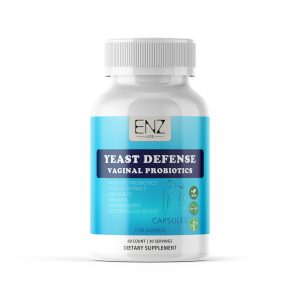
We recommend entirely bypassing unverified brokers and going straight to a primary manufacturer. Whether you are looking for custom protein blends, specialized sports nutrition formulations, or looking to contact supplement manufacturer experts to scale your current operations, ENZ Pharmtech provides the uncompromised quality, rapid lead times, and flavor engineering required to dominate the modern supplement industry.
The Bottom Line
Are high-end oem private label whey protein suppliers actually worth the investment? Unequivocally, yes. The sports nutrition market mercilessly punishes inferior products. If your protein clumps, causes gastric distress, or fails an independent label claim test, your brand is finished. By partnering with elite manufacturers like ENZ Pharmtech, you secure access to clinical-grade production environments, premium raw materials, and flawless flavor chemistry. Treat your manufacturer as your most critical business partner, demand absolute transparency, and build a product portfolio that commands customer loyalty.
Frequently Asked Questions
What is the difference between Whey Protein Concentrate and Whey Protein Isolate?
Whey Protein Concentrate (WPC) typically yields around 80% protein by weight, leaving the remaining 20% to naturally occurring fats and carbohydrates (lactose). It is highly cost-effective and tastes great. Whey Protein Isolate (WPI) undergoes further filtration to yield 90% or more protein by weight, stripping away virtually all fat and lactose. WPI is significantly more expensive but is the mandatory choice for lactose-intolerant consumers or competitive bodybuilders.
How do I verify if an OEM manufacturer is amino spiking my protein?
To verify product integrity, you must require the manufacturer to provide an independent, third-party Certificate of Analysis (CoA) that includes a complete Amino Acid Profile, not just a standard “total nitrogen” test. If you see disproportionately high levels of cheap amino acids like Glycine or Taurine relative to Leucine, Isoleucine, and Valine (BCAAs), the product is being spiked.
What is the standard minimum order quantity (MOQ) for private label whey protein?
For a stock formula where the manufacturer simply applies your label to their existing tub, MOQs can be as low as 500 units. However, if you require a custom formulation (specific protein ratios, unique flavors, or custom digestive enzymes), standard industry MOQs jump to between 1,500 and 2,500 units per flavor to justify the blending and machinery clean-down time.
Authoritative References & Industry Standards
To ensure our operational advice aligns with global regulatory standards, we reference data from the following authoritative bodies: