
The nutraceutical industry is experiencing a massive structural shift. Ten years ago, launching a dietary supplement brand required millions of dollars in venture capital, a dedicated biochemical engineering team, and ownership of a sprawling manufacturing facility. Today, a fitness influencer, a regional gym chain, or a specialized e-commerce entrepreneur can launch a fully compliant, premium supplement line in a matter of weeks. The catalyst for this democratization? Private labeling.
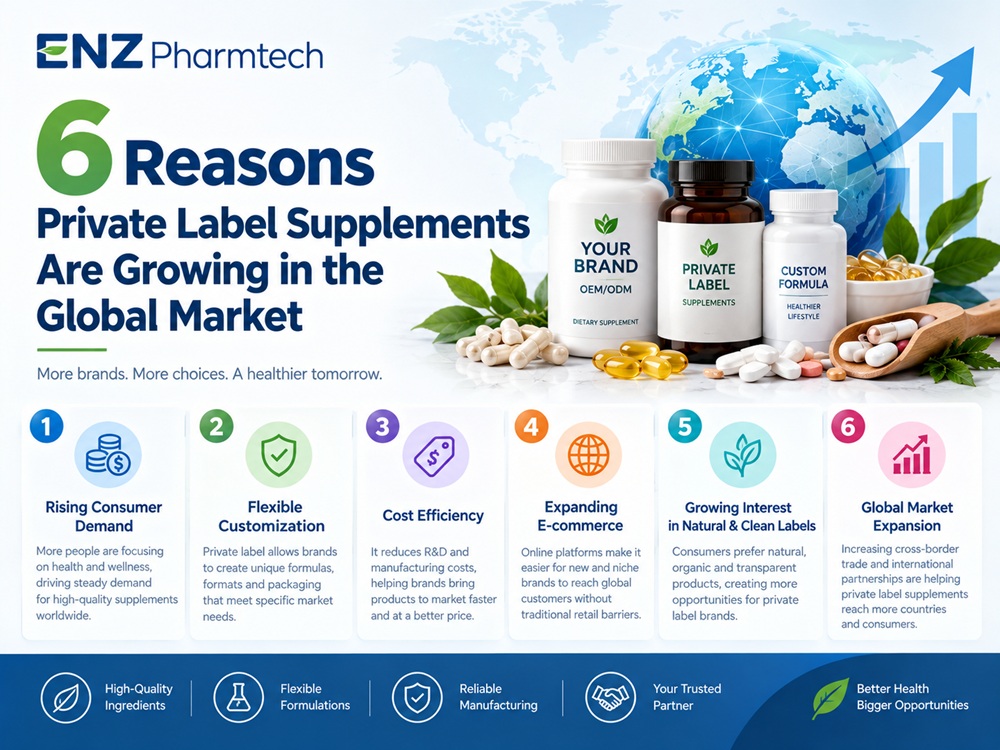
We are consistently asked by prospective brand owners why the market landscape has changed so rapidly. The reality is that consumers no longer default to legacy corporate brands; they purchase based on niche trust, influencer authority, and highly specific formulations. In this comprehensive guide, we will answer directly why Private Label Supplements Are Growing at an unprecedented rate, dissect the commercial mechanics of this business model, and provide actionable intelligence on how to leverage it to build a profitable enterprise.
Quick Answer: Why the Boom?
Private Label Supplements Are Growing exponentially because they eliminate the traditional barriers to entry in the nutraceutical space. By utilizing pre-formulated, rigorously tested, and regulatory-compliant products, brands can bypass years of expensive Research and Development (R&D).
The core drivers of this growth are:
- Speed to Market: Launching a product takes weeks instead of years.
- Capital Efficiency: You do not need to build a factory or hire chemists.
- Premium Margins: Transitioning from a retail affiliate to a brand owner instantly increases profit margins by 40% to 60%.
- Regulatory Safety: Elite manufacturers shoulder the burden of strict GMP compliance.
If you have an existing audience or a solid marketing strategy, private labeling is unequivocally the most commercially sound method to enter the supplement market today.
Table of Contents
- What It Is: Defining Private Labeling
- How the Process Works
- The 6 Core Reasons Private Label Supplements Are Growing
- Commercial Benefits
- Limitations and Hard Truths
- Who Should Use It & Who Does Not Need It
- Common Mistakes in Sourcing
- Expert Buying Considerations
- Summary and Comparison Tables
- Expert Recommendation: ENZ Pharmtech
- Frequently Asked Questions (FAQ)
What It Is: Defining Private Label Supplements
In the nutraceutical sector, private labeling is a contract manufacturing arrangement where a facility produces a high-quality, pre-existing supplement formula and packages it under your proprietary brand name and logo. Do not confuse this with custom formulation. Custom formulation requires you to invent the recipe from scratch, fund the clinical stability testing, and pay massive minimum order quantities (MOQs) to secure raw materials.
Private labeling relies on proven, scientifically sound base formulas—whether it is a standard whey protein isolate, a nootropic blend, or a multivitamin. You are purchasing the manufacturer’s established intellectual property and wrapping it in your distinct marketing narrative. For those navigating international markets, utilizing private label supplements Europe or US-based equivalents ensures the formulas already meet strict regional health authority guidelines.
How the Supply Chain Works
From our experience managing end-to-end production lines, the private label process is highly streamlined. First, the brand owner selects a product from the manufacturer’s catalog of “stock” formulas. Next, the brand owner submits their logo and label artwork (which the manufacturer reviews for FDA or EFSA compliance). The manufacturer then pulls the bulk inventory, bottles it, applies the custom label, seals it, and ships the finished, retail-ready product directly to the brand’s fulfillment center or Amazon FBA warehouse.
The 6 Core Reasons Private Label Supplements Are Growing
1. Eradication of R&D Costs and Time
Developing a stable dietary supplement is chemically complex. You must account for ingredient interactions, shelf-life degradation, and moisture barriers. By private labeling, you skip the R&D phase entirely. The manufacturer has already spent the capital to ensure the formula is stable and effective. This allows a brand to launch a new white label supplement products line in 30 days rather than 18 months.
2. The Rise of Micro-Influencers and Niche Communities
Consumers buy from people they trust. A fitness influencer with 50,000 highly engaged followers has more targeted selling power than a generic billboard. Influencers realize that instead of taking a 10% commission to sell another company’s protein powder, they can capture 100% of the retail margin by selling their own branded product. This shift in commerce is a primary reason Private Label Supplements Are Growing.
3. Outsourced Regulatory Compliance
Navigating the regulatory landscape of the FDA or the European Food Safety Authority is a legal minefield. In most professional situations, a single misprinted label claim can result in a catastrophic product recall. When you partner with elite GMP certified supplement companies, you are leveraging their compliance departments. They ensure the ingredients are legal, the dosages are safe, and the facility meets rigorous sanitation standards.
4. Agility to Capitalize on Fast-Moving Trends
The supplement industry is highly trend-driven. Yesterday it was keto; today it is mushroom nootropics and liquid collagen. If you custom formulate, the trend may die before your product hits the shelf. Private label catalogs evolve in real-time. If liquid vitamins suddenly surge in demand, you can immediately source from top liquid supplement manufacturers and have your branded version live on your website the following month.
5. Superior Profit Margins
If you operate a physical gym or a wellness clinic, selling third-party retail brands yields a dismal wholesale-to-retail margin (often only 20% to 30%). When you private label your own pre-workout by sourcing from specialized private label pre workout manufacturers, your margins can easily exceed 60% to 70%. You control the pricing architecture because the product cannot be price-shopped at a generic big-box retailer.
6. The Emergence of Low and No MOQ Partners
Historically, contract manufacturers demanded a 5,000-bottle minimum order. This locked out small businesses. Today, agile manufacturing technology has enabled the rise of private label supplements no minimum order programs. You can literally order 50 bottles to test market demand, completely neutralizing your financial risk. This is the single biggest catalyst for market expansion.
Commercial Benefits
The commercial advantages are absolute. Beyond risk mitigation and capital preservation, private labeling builds intrinsic brand equity. If you sell a generic retail brand, you are building their company. If you sell your own label, every bottle sitting on a customer’s kitchen counter is a billboard for your business. When it is time to sell your company, a proprietary product line carries a massive valuation multiple compared to an affiliate retail business.
Limitations and Hard Truths
We must exercise commercial and practical judgment: private labeling is not without limitations. The harshest truth is that you do not own the intellectual property of the formula. Your competitor down the street could theoretically purchase the exact same base formula from the exact same manufacturer and simply apply a different label. To win in the private label space, your brand storytelling, customer service, and marketing must be vastly superior to your competitors.
Who Should Use It & Who Does Not Need It
Who Should Use It: We recommend private labeling for e-commerce entrepreneurs, fitness influencers, independent pharmacies, gym owners, chiropractors, and dietitians. For commercial users looking to rapidly expand their Average Order Value (AOV) by upselling physical products to their existing service-based clients, this is the perfect mechanism.
Who Does Not Need It: If you are a biochemical researcher who has discovered a novel, patented ingredient combination that requires extensive clinical trials, private labeling is useless to you. You require a custom contract manufacturer to execute your proprietary intellectual property. Furthermore, if you are seeking absolute bottom-barrel commodity pricing to compete with generic grocery store brands, the premium quality of a good private label partner will price you out of that race.
Common Mistakes in Sourcing
In our testing and industry auditing, the most devastating mistake beginners make is prioritizing unit cost over facility certification. Choosing an uncertified, cut-rate manufacturer located overseas to save fifty cents a bottle is a recipe for disaster. If the facility is not FDA registered and cGMP (Current Good Manufacturing Practice) certified, you are risking heavy metal contamination, inaccurate ingredient dosing, and federal intervention.
Another frequent error is ignoring label compliance. Claiming that your private label turmeric “cures joint disease” transforms your supplement into an unapproved new drug in the eyes of the FDA. You must strictly adhere to structural/function claims.
Expert Buying Considerations
When vetting a manufacturing partner, you must look at their core competencies. If you want to sell gummies, do not use a facility that specializes exclusively in whey protein powders. If you are operating in specific geographical markets, you need localized expertise. For example, finding compliant supplement manufacturers Europe requires ensuring they understand EFSA allowable health claims.
For heavy-duty applications in clinical sports nutrition or high-volume wholesale, you must audit the manufacturer’s supply chain stability. Ask them directly about their raw material sourcing. Are they testing every inbound barrel of raw material for microbial and heavy metal limits before it enters the blending room? If they hesitate to answer, walk away.
Summary and Comparison Tables
Quick Summary Table: Market Drivers
| Market Driver | Impact on Private Label Growth | Strategic Advantage |
|---|---|---|
| Low MOQs | Drastically increased the number of market participants. | Allows for rapid, low-risk A/B testing of products. |
| Social Media Commerce | Shifted purchasing power from big-box retail to influencers. | Direct-to-consumer sales bypass distribution markups. |
| Stringent Regulations | Forced brands to rely on established, certified facilities. | Guarantees product safety and reduces legal liability. |
| Trend Volatility | Shortened product lifecycles require immediate manufacturing. | Private label catalogs adapt instantly to consumer demands. |
Comparison Table: Private Label vs. Custom Formulation
| Feature | Private Label (Stock Formula) | Custom Formulation |
|---|---|---|
| Time to Market | 3 to 6 Weeks | 6 to 12 Months |
| Minimum Order Quantity | Very Low (50 – 500 units) | Very High (5,000+ units) |
| R&D Cost | Zero | Extremely High ($5,000 – $20,000+) |
| IP Ownership | Manufacturer owns the formula | Brand owns the formula |
| Risk Level | Low | High |
Pros and Cons of Private Labeling
| Pros (Advantages) | Cons (Disadvantages) |
|---|---|
| Immediate access to proven, high-quality formulations. | Inability to tweak the base recipe (without paying for custom). |
| Eliminates massive upfront capital requirements. | Competitors can sell the exact same formula under a different label. |
| Allows the business owner to focus 100% on marketing and sales. | Reliance on the manufacturer’s supply chain capabilities. |
| Scales seamlessly; order 50 bottles today, 50,000 tomorrow. | Lower perceived valuation upon exit if IP is entirely non-proprietary. |
Expert Recommendation
-
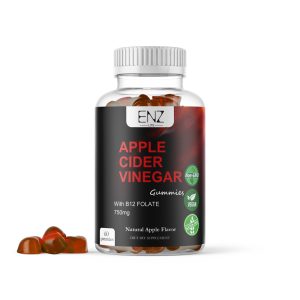
Apple Cider Vinegar Folic Acid
-
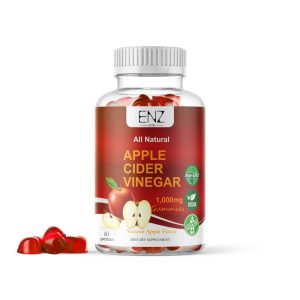
Apple Cider Vinegar Gummy 1000mg
-
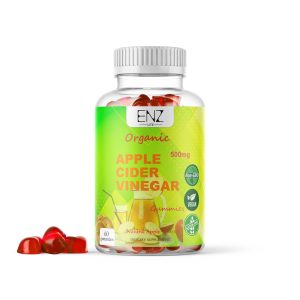
Apple Cider Vinegar Gummy 500mg
-
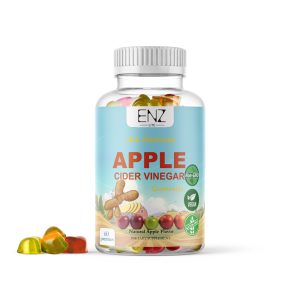
Apple Cider Vinegar Gummy 500mg Ginger Root
-
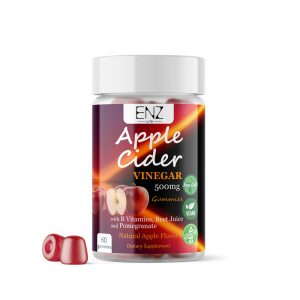
Apple Cider Vinegar Gummy Pomegranate Juice Powder
-
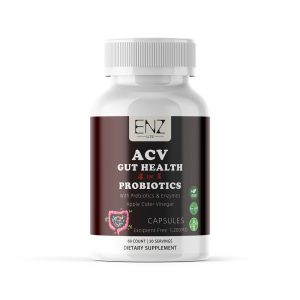
Apple Cider Vinegar Gut Health Capsules 4 In 1
-
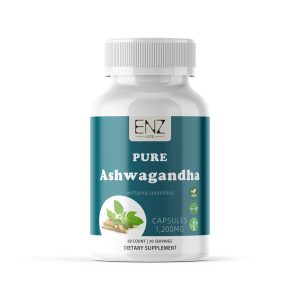
Ashwagandha Bioperine Capsules 1200mg
-
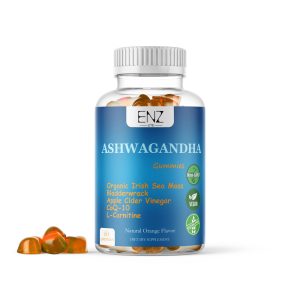
Ashwagandha Gummy Sea Moss Bladderwrack ACV CoQ10
-
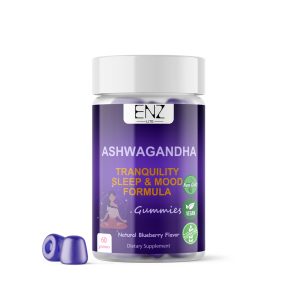
Ashwagandha Gummy Tranquility Sleep Mood Formula Magnesium Glycinate
In most professional situations, the barrier to launching a premium supplement line is not the marketing—it is finding a reliable manufacturing partner who will not punish you for being a startup. We strongly advise against tying up your operating capital in massive inventory orders. You need a partner that offers premium GMP-certified formulas with accessible entry points. Whether you are searching for vitamin manufacturers USA or specialized sports nutrition labs, your manufacturer is your most vital business asset.
Why We Recommend ENZ Pharmtech
ENZ Pharmtech is a leading private label dietary supplement manufacturer offering no minimum order solutions for startups, small businesses, and established nutraceutical brands. With over 20 years of expertise, advanced facilities, and certified production standards, we deliver high-quality supplements tailored to your brand—without the large order requirements.
Instead of gambling your budget on unverified overseas labs, partner with an entity that provides end-to-end commercial solutions, ensuring your products are potent, compliant, and ready to scale the moment your marketing campaigns gain traction.
Frequently Asked Questions (FAQ)
Is private label supplement legally safe?
Yes, provided you partner with a manufacturer that strictly adheres to Current Good Manufacturing Practices (cGMP) as mandated by the FDA. The manufacturer is responsible for the safety and purity of the contents, while you (the brand) are responsible for ensuring your marketing and label claims do not violate regulatory guidelines regarding disease treatment or cures.
Can I alter a private label formula slightly to make it unique?
Altering a pre-existing stock formula (e.g., adding an extra 100mg of caffeine) immediately shifts the project from “private label” to “custom formulation.” Because the chemistry changes, the manufacturer must conduct new stability testing and recalibrate their blending equipment, which will instantly trigger high Minimum Order Quantities (MOQs) and R&D fees.
How much does it cost to start a private label supplement brand?
Because of the rise of low and no-MOQ manufacturers, you can theoretically start a brand for under $1,000. This covers the cost of label design, initial inventory (e.g., 50 to 100 bottles), and basic e-commerce infrastructure. However, for a viable commercial launch with adequate marketing budget, expect an initial investment closer to $3,000 to $5,000.
What is the difference between private label and white label supplements?
The terms are largely used interchangeably in the supplement industry. Technically, white labeling refers to a generic product sold by multiple retailers under their own brands, while private labeling can sometimes imply a product created exclusively for one specific retailer. In practical B2B supplement sourcing, both mean applying your custom branding to an existing stock formulation.
Authoritative Sources & Regulatory References:
1. U.S. Food and Drug Administration (FDA) – Dietary Supplements Guidance
2. NSF International – GMP Certification Standards
3. Council for Responsible Nutrition (CRN) – Industry Best Practices