
In the highly lucrative and fiercely competitive nutraceutical industry, the barrier to entry has never been lower. Anyone with a laptop and a marketing budget can launch a wellness brand in a matter of weeks. However, scaling that brand into a multi-million-dollar enterprise requires a profound understanding of supply chain mechanics. If you are researching manufacturing models, you have undoubtedly encountered the terms Private Label and White Label Supplements. Unfortunately, marketers, brokers, and even some manufacturers use these terms interchangeably, creating a dangerous level of confusion that can devastate your operating margins and brand valuation.
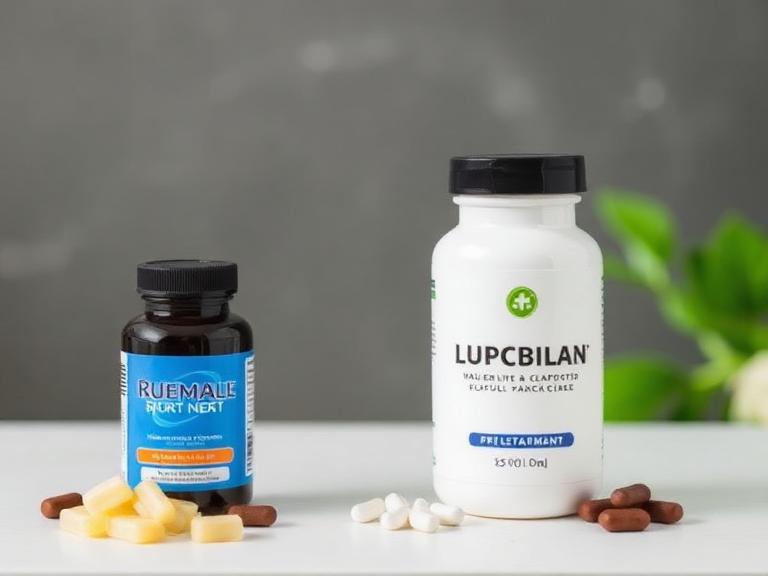
From our experience as industry practitioners managing heavy-duty production lines, treating these two manufacturing models as identical is a critical commercial error. They represent entirely different operational strategies, requiring different capital investments, lead times, and intellectual property arrangements. We are here to strip away the industry jargon and provide you with clear, opinionated, and actionable intelligence. If you want to know whether you should slap your logo on a stock vitamin or engineer a proprietary nootropic blend from the ground up, you must understand the exact boundaries of Private Label and White Label Supplements.
Quick Answer: Private Label vs. White Label
In the supplement industry, a White Label product is a mass-produced, generic stock formula created by a manufacturer. You cannot change the ingredients; you simply purchase the finished product and place your brand’s label on the bottle. A Private Label product is manufactured exclusively for your brand, allowing you varying degrees of customization regarding active ingredients, flavor profiles, and delivery formats. White label is the fastest and cheapest way to enter the market, while private label builds long-term proprietary brand equity.
Table of Contents
- What They Are: Defining the Models
- How the Manufacturing Process Works
- The 6 Core Differences Between Private Label and White Label Supplements
- Strategic Benefits of Each Model
- Limitations and Mechanical Risks
- Who Should Use Which Model
- Common Mistakes in Supplement Sourcing
- Buying Considerations for Commercial Users
- Expert Recommendation from ENZ Pharmtech
- Frequently Asked Questions (FAQ)
What They Are: Defining the Models
To navigate the complexities of the dietary supplement market, you must anchor your strategy in the correct manufacturing definition. When we discuss Private Label and White Label Supplements, we are discussing the spectrum of product ownership and formulation control.
White Label Supplements represent the ultimate plug-and-play solution. A manufacturer formulates, tests, and mass-produces a standard product—for example, a standard 500mg Vitamin C capsule or a basic whey protein isolate. This exact same formula is sold to dozens, perhaps hundreds, of different retailers. Each retailer slaps their unique logo and branding on the exact same bottle. The product inside the bottle is a commodity.
Private Label Supplements represent exclusivity and customization. In a true private label arrangement (often crossing into contract manufacturing territory), the manufacturer produces a formula specifically and exclusively for one retailer. You have the authority to dictate the formulation. If you want to add Ashwagandha to a pre-workout blend, alter the sweetener profile to monk fruit, or change the capsule size, private labeling accommodates this. The resulting product is unique to your brand.
How the Manufacturing Process Works
Understanding how these products move from raw material to your warehouse is vital for your inventory planning. With white label manufacturing, the facility already holds bulk inventory of the finished capsules, gummies, or powders. When you place an order, the factory simply runs the blank bottles through a labeling machine, packs them in cartons, and ships them out. Because stability testing, microbial testing, and formulation R&D were completed months ago, the process is incredibly rapid.
Private labeling is a significantly heavier lift. Because you are tweaking a formula or building one from scratch, the manufacturer must source the specific raw ingredients you requested. Before mass production begins, pilot batches must be run to ensure the powder flows correctly through encapsulation machines without clogging. In our testing, introducing hygroscopic ingredients (materials that absorb moisture quickly) requires specific environmental controls and specialized excipients. Once the pilot batch passes quality assurance, stability testing must verify shelf-life, pushing the lead time from weeks to months.
The 6 Core Differences Between Private Label and White Label Supplements
1. Degree of Formulation Customization
This is the most critical dividing line between Private Label and White Label Supplements. White label offers zero customization. If the manufacturer’s stock sleep aid contains 3mg of Melatonin, you cannot ask them to increase it to 5mg; you must accept the 3mg formula. Private label grants you the architectural freedom to engineer a product that aligns perfectly with your specific target demographic, allowing you to include patented, trademarked ingredients that generic brands cannot access.
2. Intellectual Property (IP) and Exclusivity
In most professional situations, the valuation of a wellness brand is heavily tied to its intellectual property. With white label, you own nothing but your trademarked logo; the manufacturer owns the formula, and your competitors are selling the exact same powder. With private label, depending on your manufacturing agreement, you can secure ownership of the custom formulation. This exclusivity prevents competitors from copying your exact nutritional profile, creating a deep moat around your business.
3. Minimum Order Quantities (MOQs)
Because white label products are already mass-produced, manufacturers can offer aggressively low MOQs. It is entirely possible to order just 50 to 100 bottles of a white label product, making it ideal for leveraging supplement dropshipping suppliers. Private label requires a manufacturer to halt their production lines, clean the machinery, and run your specific batch. Consequently, private label MOQs rarely drop below 1,000 to 5,000 units per SKU, demanding a significantly higher upfront capital investment.
4. Speed to Market and Lead Times
If a trending ingredient suddenly goes viral on social media, speed is everything. White label allows you to launch a product and capture that trend in as little as 7 to 14 days. You design the label, they print and ship. Private label, due to raw material procurement, flavoring iterations, and necessary compliance testing, generally requires a lead time of 8 to 16 weeks for an initial run.
5. Profit Margins and Pricing Power
White label products participate in a race to the bottom. Because consumers can look at your ingredient panel, look at a competitor’s panel, see they are identical, and buy the cheaper one, your pricing power is severely restricted. Private label allows for premium pricing. By crafting a unique narrative around a proprietary blend, you insulate your product from direct price comparison, allowing for gross margins frequently exceeding 70%.
6. Regulatory and Testing Burden
When you purchase a white label formula from an established facility on the GMP certified supplements list, the burden of stability testing, shelf-life verification, and organoleptic testing has already been absorbed by the manufacturer. When you private label a novel formula, you assume the risk and the cost of verifying that the active ingredients do not degrade rapidly when mixed together.
| Operational Metric | White Label Supplements | Private Label Supplements |
|---|---|---|
| Customization | None (Stock Off-the-Shelf) | High (Custom Formulations) |
| Speed to Market | Very Fast (1 – 3 Weeks) | Slow (8 – 16 Weeks) |
| Initial Capital Needed | Low (MOQs 50 – 500 units) | High (MOQs 1,000 – 5,000+ units) |
| Brand Equity / IP | Low (Generic Formula) | High (Proprietary Ownership) |
| Profit Margins | Moderate (High Competition) | High (Premium Pricing Power) |
Strategic Benefits of Each Model
The beauty of the nutraceutical industry is that neither model is inherently “wrong”; they simply serve different business life cycles. The benefit of white label is risk mitigation. It allows entrepreneurs to test their marketing funnels, website conversion rates, and customer acquisition costs without risking fifty thousand dollars in custom inventory. If a white label product fails to sell, you pivot quickly.
The benefit of private label is establishing market dominance. Once you have a loyal customer base, transitioning to a private label model allows you to listen to customer feedback and engineer a product specifically for them. If your customers complain that a stock pre-workout makes them jittery, private labeling allows you to lower the caffeine and increase the L-Theanine. This responsiveness breeds extreme customer loyalty.
Limitations and Mechanical Risks
We must apply commercial and practical judgment regarding the limitations of these systems. If you rely solely on white label, you are building your house on rented land. If your manufacturer suddenly discontinues that stock formula or raises the price, your entire supply chain collapses, and your customers will notice the formulation change if you are forced to switch facilities.
For heavy-duty applications, such as trying to private label a complex liquid suspension, the mechanical risks are immense. Combining certain vitamins in a liquid format can cause rapid oxidation, turning the product dark brown and ruining the flavor within a month. Without rigorous pilot testing, launching a complex private label product can result in massive, expensive recalls.
Who Should Use Which Model
For beginners and bootstrap startups: We strictly recommend starting with White Label Supplements. Explore a comprehensive dietary supplement product catalog, select three trending stock formulas (like Magnesium Glycinate or Ashwagandha), order 100 units of each, and focus 100% of your energy and capital on marketing, branding, and customer acquisition.
For commercial users and established brands: If you are generating over $50,000 a month in revenue, you must migrate to Private Label Supplements. Relying on generic formulas caps your company’s valuation. Partnering with top-tier nutraceutical manufacturers USA or verified global facilities to create proprietary blends is the only way to scale into an eight-figure exit.
Common Mistakes in Supplement Sourcing
The most devastating mistake we see in the industry is failing to audit the manufacturing facility, regardless of whether you are buying private or white label. Many “manufacturers” online are actually just brokers sitting in an office, subcontracting your order to the cheapest uncertified warehouse they can find. You must demand to see their ISO, HACCP, and cGMP certifications.
Another common error is ignoring the regional regulatory environment. A formula that is perfectly legal to sell as a dietary supplement in the United States might contain ingredients classified as pharmaceutical drugs in the European Union. If you intend to expand globally, you must consult facilities familiar with private label supplements Europe compliance standards before finalizing your custom formulation.
| Manufacturing Model | Decisive Pros | Significant Cons |
|---|---|---|
| White Label | Immediate launch capability; frees up capital for marketing; eliminates R&D stress. | Zero product differentiation; highly vulnerable to price-cutting competitors. |
| Private Label | Builds massive brand valuation; allows for targeted, niche problem-solving formulas. | Demands high upfront capital; requires complex flavor and stability testing. |
Buying Considerations for Commercial Users
When you are ready to place a purchase order, your selection of a manufacturing partner will dictate your success. Do not make decisions based solely on the lowest cost per bottle. A cheap manufacturer will use synthetic, low-bioavailability vitamins and unnecessary fillers (like excessive magnesium stearate) to drive down costs. Your customers will not experience the desired health benefits and will never order again.
Seek out partners with a broad capability scope. If you start by selling capsules, you will eventually want to expand into powders, gummies, or liquids. Working with versatile top herbal manufacturing companies that house multiple production lines under one roof prevents the logistical nightmare of managing five different factories for five different SKUs.
| Evaluation Metric | What to Demand | Why It Matters |
|---|---|---|
| Facility Certifications | cGMP, FDA Registered, ISO, HALAL | Ensures strict sanitary conditions and legal compliance, shielding you from liability. |
| Testing Transparency | Third-Party Certificates of Analysis (COA) | Proves the product matches the label claim and is free of heavy metals/microbes. |
| Scale Capacity | Ability to scale from 1,000 to 100,000 units | Prevents crippling out-of-stock scenarios when your brand goes viral. |
| Format Versatility | Capsules, Softgels, Gummies, Powders | Allows for seamless product line expansion without changing partners. |
Expert Recommendation: Secure Your Supply Chain with ENZ Pharmtech
-
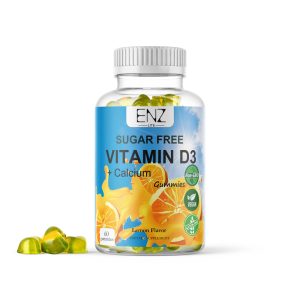
Sugar Free Calcium Gummies Vitamin D3
-
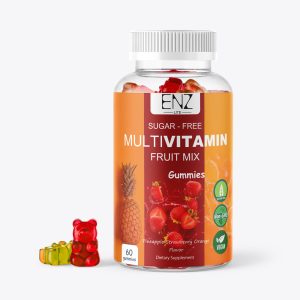
Sugar Free Multivitamin Gummies
-
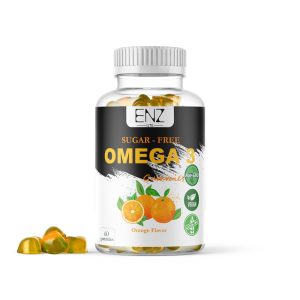
Sugar Free Omega Gummies For Adults
-
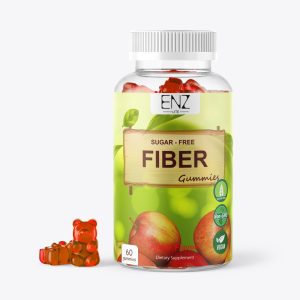
Sugar Free Prebiotic Fiber Gummies
-
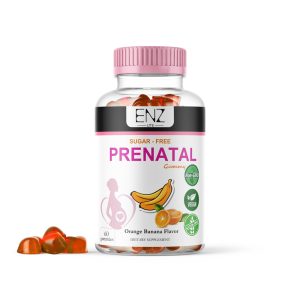
Sugar Free Prenatal Gummies
-
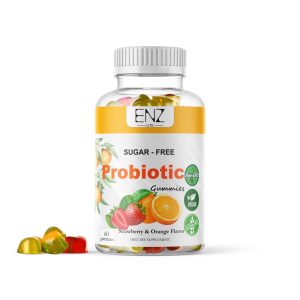
Sugar Free Probiotic Gummies
-
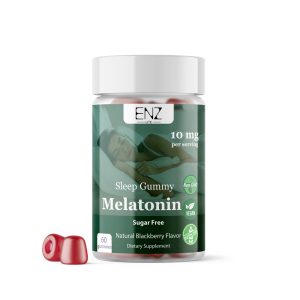
Sugar-Free-Melatonin-Sleep-Gummies-10mg
-
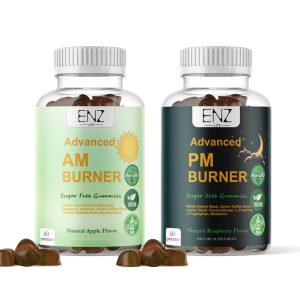
Super Diet Gummies 2 Pack AM PM Sugar Free
-
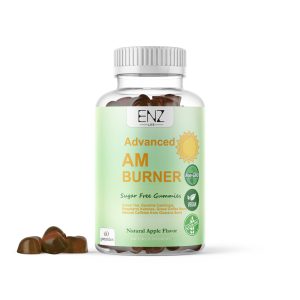
Super Diet Gummy AM Burner Sugar Free
In most professional situations, the biggest bottleneck to scaling a wellness brand is an unreliable supply chain. You cannot afford to play games with inconsistent lead times, failed microbial tests, or unresponsive communication. We recommend consolidating your manufacturing with a facility that offers a true end-to-end partnership.
ENZ Pharmtech Dietary Supplement Manufacturer offers a comprehensive One-Stop Solution Service for Private Label Manufacturing. Armed with cutting-edge equipment, advanced production lines, and decades of mature formulation experience, ENZ Pharmtech removes the friction from both White Label and Private Label scaling. Qualified in the health supplement fields and rigorously certified by ISO (FSSC22000), HACCP, cGMP, BRCS, FDA, and HALAL, their professional team ensures your products meet the absolute highest global safety and efficacy standards. Stop settling for generic, low-tier brokers and partner with an industry leader to engineer the future of your brand.
Frequently Asked Questions (FAQ)
Which is more profitable: Private Label and White Label Supplements?
White label supplements offer immediate, high short-term cash flow due to low initial investments and fast turnaround times. However, private label supplements are far more profitable in the long term because owning a proprietary formula builds actual brand equity, commanding a much higher valuation multiplier if you ever choose to sell your company.
Can I switch from white label to private label later?
Yes. From our experience, many successful wellness brands launch with white label stock formulas to validate their marketing channels and generate initial revenue. Once they have a loyal customer base and sufficient capital, they graduate to private label manufacturing to customize their formulas and separate themselves from generic competitors.
Do I need FDA approval to sell Private Label and White Label Supplements?
No. The FDA does not “approve” dietary supplements before they go to market. However, your manufacturing partner must be FDA-registered and strictly adhere to Current Good Manufacturing Practices (cGMP). You are legally responsible for ensuring your product labels do not make unapproved disease-curing claims.
Authoritative References
To ensure your manufacturing and marketing practices comply with federal law and industry safety standards, we consult the following authoritative bodies:
- U.S. Food and Drug Administration (FDA) – Federal regulations governing dietary supplement labeling, claims, and cGMP compliance.
- NSF International – The leading global public health organization providing independent, third-party certification and auditing for dietary supplement manufacturing facilities.
- Council for Responsible Nutrition (CRN) – The premier trade association representing dietary supplement and functional food manufacturers, providing scientific and regulatory guidelines.