
The global dietary supplement market is expanding at an unprecedented rate, driven by heightened consumer awareness of preventive healthcare and functional nutrition. For entrepreneurs, healthcare practitioners, and expanding retail brands, launching a new nutritional product requires navigating a complex labyrinth of manufacturing decisions. The most foundational choice you will make is selecting a Stock vs. Custom Private Label Supplement pathway. This single decision dictates your initial capital expenditure, your time to market, your regulatory compliance burden, and your ultimate brand positioning.
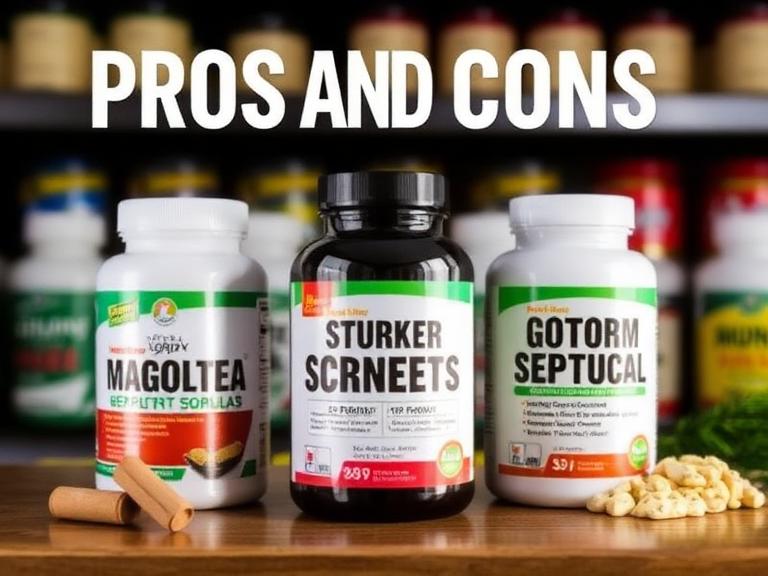
From our experience at ENZ Pharmtech Dietary Supplement Manufacturer, we recognize that brands often struggle to identify the optimal manufacturing strategy. As a provider offering a One-Stop Solution Service for Private Label Manufacturing, we leverage excellent equipment, state-of-the-art facilities, automated production lines, mature formulations, and a highly professional team with decades of industry experience. We are fully qualified in health supplements fields and certified by ISO (FSSC22000), HACCP, GMP, BRCS, FDA, HALAL, and more. In this comprehensive engineering and business guide, we will dissect the Stock vs. Custom Private Label Supplement dilemma, providing actionable insights to help you scale your nutritional enterprise successfully.
Table of Contents
- 1. Understanding the Manufacturing Landscape: Stock vs. Custom Private Label Supplement
- 2. The Strategic Analysis: Pros and Cons of Stock Formulas
- 3. The Strategic Analysis: Pros and Cons of Custom Formulas
- 4. Quality Assurance and Regulatory Compliance Metrics
- 5. Navigating Global Manufacturing Networks
- 6. Summary Matrix: Stock vs. Custom Private Label Supplement
- 7. Frequently Asked Questions (FAQs)
- 8. Industry and Regulatory References
1. Understanding the Manufacturing Landscape: Stock vs. Custom Private Label Supplement
Before committing capital to a production run, it is vital to understand the precise definitions within the contract manufacturing space. The debate regarding Stock vs. Custom Private Label Supplement models centers entirely on formulation ownership, testing requirements, and production flexibility.
A stock formula is a pre-engineered, fully tested, and ready-to-manufacture recipe owned by the contract manufacturer. These formulas have already undergone rigorous stability testing, organoleptic evaluation (taste, smell, texture), and microbiological assays. Conversely, a custom formula is built from the ground up. It requires extensive research and development, pilot batching, specialized sourcing of raw active pharmaceutical ingredients (APIs), and dedicated shelf-life testing.
When evaluating a Stock vs. Custom Private Label Supplement route, brand owners must align their decision with their immediate cash flow and long-term valuation goals. If you are exploring our established, market-ready options, we recommend reviewing our comprehensive dietary supplement product catalog to see the breadth of mature formulations available for immediate deployment.
2. The Strategic Analysis: Pros and Cons of Stock Formulas
Choosing a stock formulation is highly advantageous for startups, fitness influencers, and retail channels seeking to capitalize on current market trends without absorbing heavy R&D costs. However, evaluating this side of the Stock vs. Custom Private Label Supplement equation requires acknowledging specific limitations.
The Pros of Stock Formulas
- Accelerated Time to Market: Because the formulation is already developed, tested, and validated, production can begin almost immediately. This allows brands to launch products in a matter of weeks rather than months.
- Lower Minimum Order Quantities (MOQs): Manufacturers produce stock formulas in massive, continuous runs. Consequently, they can offer much lower MOQs to individual brands, reducing initial inventory risk and preserving working capital.
- Proven Stability and Efficacy: Mature formulations have established stability profiles. You eliminate the risk of ingredient separation, poor dissolution rates, or unexpected flavor degradation.
- Reduced R&D Expenditure: By bypassing the laboratory formulation phase, brands save thousands of dollars in pilot testing and organoleptic balancing.
The Cons of Stock Formulas
- Lack of Market Exclusivity: Your exact formulation may be sold by competing brands under a different label. This limits your ability to claim a unique proprietary blend.
- Inflexible Ingredient Profiles: You cannot modify the dosages, add novel exotic extracts, or remove specific excipients. The formula is static.
- Margin Constraints in Saturated Markets: Competing with identical products often leads to price wars, forcing you to compete on marketing and branding rather than product superiority.
3. The Strategic Analysis: Pros and Cons of Custom Formulas
For established healthcare brands, medical practitioners, or highly specialized e-commerce operations, the custom side of the Stock vs. Custom Private Label Supplement debate is often the only viable path. Creating a bespoke product allows for absolute market differentiation.
The Pros of Custom Formulas
- Absolute Intellectual Property Control: A custom formula gives you a unique selling proposition (USP). You can patent specific ratios and dominate a niche market without fear of direct replication.
- Targeted Efficacy: You can formulate based on the latest clinical trials, utilizing highly bioavailable trademarked ingredients to address specific physiological pathways.
- Premium Pricing Power: Unique, high-quality formulations command premium retail prices, resulting in significantly higher profit margins per unit.
- Format Innovation: Customization allows you to choose specific delivery mechanisms. For instance, if you require specialized liquid delivery systems, you can partner with elite liquid supplement manufacturers to create rapid-absorption sublinguals or functional beverages.
The Cons of Custom Formulas
- High Capital Requirements: Custom formulations necessitate high MOQs because the manufacturer must source distinct raw materials, clean down production lines, and calibrate machinery specifically for your batch.
- Extended Lead Times: The R&D phase, ingredient sourcing, pilot runs, and mandatory stability testing can delay a product launch by 3 to 6 months.
- Formulation Risks: Combining novel ingredients may result in unforeseen chemical interactions, poor taste profiles, or hygroscopic issues (clumping), requiring expensive and time-consuming reformulations.
4. Quality Assurance and Regulatory Compliance Metrics
Regardless of where you land on the Stock vs. Custom Private Label Supplement spectrum, uncompromised quality assurance is non-negotiable. From our experience, brands that fail to verify their manufacturer’s regulatory credentials face severe recall risks, FDA warning letters, and irreparable brand damage.
We recommend partnering exclusively with facilities that operate under strict global standards. At ENZ Pharmtech, our certifications in ISO (FSSC22000), HACCP, GMP, BRCS, FDA, and HALAL demonstrate our commitment to safety. Verifying Good Manufacturing Practices (GMP) ensures that your products are consistently produced and controlled according to quality standards. Brand owners should mandate third-party auditing; a practical step is cross-referencing your potential partners against a verified GMP certified supplement companies database to ensure compliance.
5. Navigating Global Manufacturing Networks
-
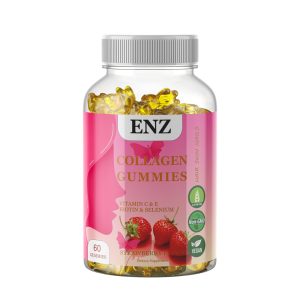
Collagen Gummies 200mg Vitamin C Biotin Selenium
-
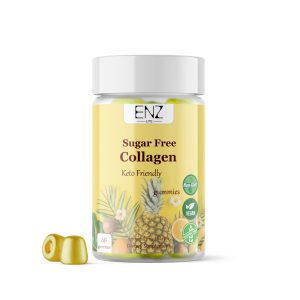
Collagen Gummies Sugar Free Keto Friendly
-
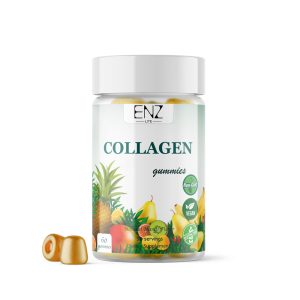
Collagen Gummy Tropical Fruit Flavor
-
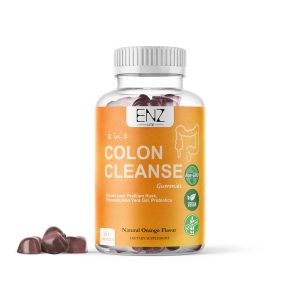
Colon Cleanse Gummies Senna Leaf
-
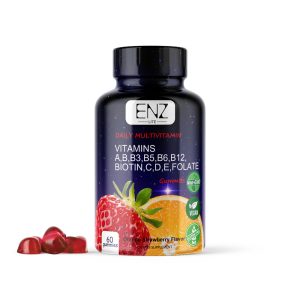
Complex Daily Multivitamin Gummies
-
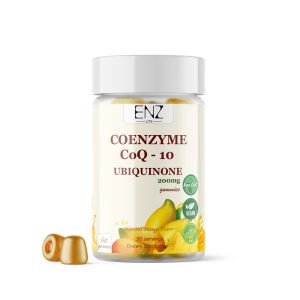
CoQ10 Gummies Ubiquinone 200mg Coenzyme Q10
-
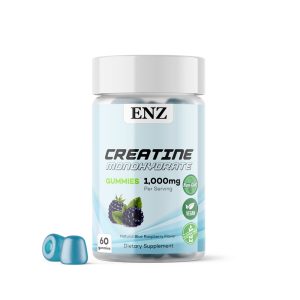
Creatine Monohydrate Gummy 1000mg Blue Raspberry Flavor
-
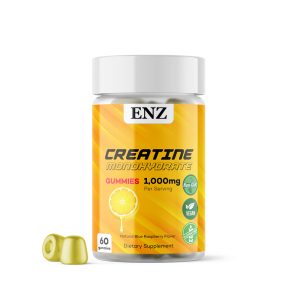
Creatine Monohydrate Gummy 1000mg Lemon Flavor
-
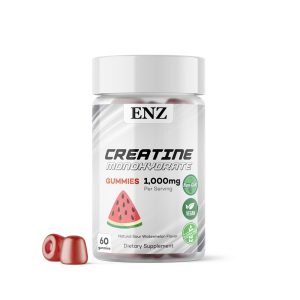
Creatine Monohydrate Gummy 1000mg Sour Watermelon Flavory
The decision regarding Stock vs. Custom Private Label Supplement paths is also heavily influenced by your target geographic market. Regional regulatory bodies dictate acceptable ingredient thresholds, allowable health claims, and labeling requirements. A stock formula that is compliant in the United States may require custom reformulation to pass European Food Safety Authority (EFSA) regulations.
If your brand is targeting the European market, you must navigate stringent novel food regulations. To streamline this process, we advise collaborating with specialized supplement manufacturers Europe networks, or exploring tailored private label supplements Europe programs to ensure rapid compliance and localized distribution.
Similarly, the Asia-Pacific and Australasian markets present immense growth opportunities but require specific manufacturing partnerships. Brands looking to capture the halal-certified market in Southeast Asia often evaluate top food supplement manufacturers Malaysia. Meanwhile, sports nutrition brands seeking high-grade dairy and plant-based protein isolates should review the capabilities of leading protein powder manufacturers Australia to guarantee premium raw material sourcing.
6. Summary Matrix: Stock vs. Custom Private Label Supplement
To assist brand managers, formulation scientists, and procurement directors in finalizing their strategy, the following responsive matrix summarizes the critical operational metrics when comparing a Stock vs. Custom Private Label Supplement approach.
| Operational Metric | Stock Private Label Supplement | Custom Private Label Supplement |
|---|---|---|
| Time to Market | Very Fast (Typically 4 to 8 weeks) | Extended (Typically 12 to 24 weeks) |
| Research & Development Cost | Zero to Minimal | High (Lab fees, pilot batches, stability testing) |
| Minimum Order Quantity (MOQ) | Low (Ideal for cash-flow preservation) | High (Requires bulk raw material procurement) |
| Formulation Exclusivity | None (Shared with other brands) | Complete (Absolute intellectual property control) |
| Ingredient Flexibility | Rigid (No alterations permitted) | Infinite (Subject to regulatory limits) |
| Risk Profile | Low (Proven stability and organoleptics) | Moderate (Potential for unforeseen interactions) |
7. Frequently Asked Questions (FAQs)
Can I transition from a Stock vs. Custom Private Label Supplement model as my brand grows?
Yes. From our experience, many successful brands launch with stock formulas to generate initial cash flow and test market viability. Once they establish a loyal customer base and secure higher capital, they transition to custom formulations to increase margins and offer proprietary blends.
Does a custom formula guarantee higher efficacy?
Not inherently. A custom formula simply offers uniqueness. The efficacy of any supplement, whether in a Stock vs. Custom Private Label Supplement scenario, depends entirely on the bioavailability of the raw materials, precise clinical dosing, and the strict adherence to GMP manufacturing standards.
How do regulatory requirements differ between stock and custom formulas?
Stock formulas are typically pre-vetted by the manufacturer for regulatory compliance within specific regions. Custom formulas shift the burden of compliance slightly toward the brand owner, requiring thorough review of dietary ingredient safety, FDA notifications (such as NDI submissions), and exact label claim substantiation.
Why are MOQs so much higher for custom formulations?
Custom manufacturing requires the facility to halt standard production lines, perform extensive deep-cleaning protocols to prevent cross-contamination, and source unique raw materials that may have high vendor minimums. To make this process economically viable, the manufacturer must enforce higher MOQs.
8. Industry and Regulatory References
To ensure total compliance and scientific accuracy in your product development lifecycle, we recommend consulting the following authoritative regulatory and academic resources:
- U.S. Food and Drug Administration (FDA) – Dietary Supplements: Guidelines on current Good Manufacturing Practices (cGMP) for dietary supplements under 21 CFR Part 111.
- National Institutes of Health (NIH) – Office of Dietary Supplements: Academic database providing rigorous scientific evaluation and fact sheets regarding the efficacy and safety of dietary ingredients.
- European Food Safety Authority (EFSA) – Food Supplements: Regulatory frameworks governing the safety, labeling, and permissible health claims for nutritional supplements within the European Union.