
Navigating the dietary supplement manufacturing landscape in the United States is a treacherous endeavor. From our experience auditing facilities and managing global supply chains, the industry is saturated with middlemen, marketing agencies masquerading as laboratories, and substandard operators hiding behind slick websites. If you want to build a brand that scales, avoiding these pitfalls is non-negotiable. You must know exactly how to find a supplement company supplier that physically owns their equipment, strictly adheres to Current Good Manufacturing Practices (cGMP), and possesses the analytical testing capabilities to keep you out of legal jeopardy.
In most professional situations, founders focus too heavily on unit cost and entirely neglect compliance. The reality is that the FDA holds the brand owner—not just the manufacturer—responsible for adulterated or misbranded products. Whether you are launching a boutique nootropic line or securing a massive retail distribution deal, choosing the right manufacturing partner will make or break your enterprise. In this comprehensive, opinionated guide, we will strip away the industry jargon, teach you how to vet domestic facilities, and explain whether it is actually worth using a domestic partner versus looking overseas.
Quick Answer: How to Secure a Manufacturing Partner
To successfully find a supplement company supplier in the USA, you must bypass internet brokers and deal directly with certified facilities. Request their FDA registration number and demand proof of third-party cGMP certification from authoritative bodies like NSF International, UL, or NPA. Always ask for their most recent Certificate of Analysis (COA) for a product similar to yours. If they refuse facility tours, mandate exorbitant formulation fees upfront, or cannot provide transparency on raw ingredient sourcing, walk away immediately. Focus your search on established vitamin manufacturers USA that offer end-to-end services: formulation, raw material quarantine, blending, encapsulation, and analytical testing.
Table of Contents
- What It Is: The Anatomy of a Supplement Supplier
- How It Works: From Concept to Bottling
- Benefits of USA-Based Manufacturing
- Limitations and Harsh Realities
- Who Should Use It & Who Does Not Need It
- Common Mistakes Founders Make
- Buying Considerations: The Vetting Checklist
- Expert Recommendation: ENZ Pharmtech
- Summary and Comparison Tables
- Frequently Asked Questions (FAQ)
What It Is: The Anatomy of a Supplement Supplier
When you seek to find a supplement company supplier, you are looking for a Contract Manufacturing Organization (CMO). A legitimate CMO is a physical industrial facility equipped with blenders, V-blenders, encapsulators, tablet presses, and bottling lines. They procure raw ingredients—such as sourcing whey from a protein powder supplier Singapore or botanicals from herbal extracts suppliers South Africa—and transform them into finished, retail-ready dietary supplements.
There are three primary operational models you will encounter when reviewing supplement manufacturers USA 2025:
- Contract Manufacturing (Custom Formulation): The facility builds a unique formula exclusively for your brand from scratch.
- Private Label: The facility offers a pre-existing, tested house formula, and simply places your brand’s label on the bottle.
- White Label: Similar to private label, often involving bulk unbranded products that you package yourself. Reviewing white label supplement products is highly recommended for rapid market entry.
How It Works: From Concept to Bottling
The operational pipeline of a top-tier USA facility is strictly regulated by the FDA under 21 CFR Part 111. When you engage contract supplement manufacturers California or elsewhere, the process dictates that all raw materials must be quarantined upon arrival. The facility’s internal laboratory must utilize High-Performance Liquid Chromatography (HPLC) or Inductively Coupled Plasma Mass Spectrometry (ICP-MS) to verify the identity of the raw material and screen for heavy metals, pesticides, and microbial contamination.
Once cleared, the ingredients are precisely weighed, blended to ensure homogeneity, and run through encapsulation or tableting machines. For specialized formats, such as working with a dedicated gummy vitamins manufacturer, the process involves complex heating, pectin/gelatin setting, and curing rooms. Finally, the product is bottled, sealed with an induction liner, batch-coded, and tested one final time before being released for shipping.
Benefits of USA-Based Manufacturing
Why should you find a supplement company supplier domestically rather than outsourcing completely overseas? The primary benefit is consumer trust and regulatory shielding. The “Made in the USA” (from domestic and imported ingredients) badge carries massive weight in the nutraceutical sector. Furthermore, communication is frictionless. You can physically audit the facility, verify their Standard Operating Procedures (SOPs), and ensure they are not cutting corners on ingredient purity.
For heavy-duty applications, such as high-stimulant sports nutrition, partnering with specialized private label pre workout manufacturers in the USA ensures that banned substances (like DMAA or unapproved analogs) do not cross-contaminate your product lines, which is a frequent risk with unvetted overseas facilities.
Limitations and Harsh Realities
We must present the unvarnished truth: manufacturing in the USA is expensive and capital-intensive. Lead times can be agonizingly slow, often ranging from 8 to 14 weeks for a new custom formulation. Additionally, minimum Order Quantities (MOQs) are a severe barrier to entry. While you might occasionally find a facility offering private label supplements no minimum order, custom runs typically demand 1,500 to 5,000 bottles per SKU just to start the machines. You must possess adequate capital to float inventory.
Who Should Use It & Who Does Not Need It
For commercial users and established brands: If you are scaling past $50,000 a month in revenue, you absolutely must find a supplement company supplier with in-house analytical testing and massive blending capacity. You cannot rely on low-tier fulfillment houses at scale.
For beginners: If you have less than $5,000 to launch your business, do not attempt custom formulation. The R&D fees, flavoring iterations, and stability testing will consume your entire budget before a single bottle is produced. You should stick to pre-formulated private label options to test your marketing thesis first.
Who does not need it: Brands that operate strictly in the European market might find better logistical alignment by partnering with custom protein powder manufacturers Europe to avoid massive transatlantic shipping costs and EU customs friction.
Common Mistakes Founders Make
In our testing and consulting history, the most devastating mistake founders make is believing the phrase “FDA Approved.” The FDA does not approve supplement manufacturing facilities; they only require registration and conduct random audits. If a manufacturer claims to be “FDA Approved,” they are lying, demonstrating a profound lack of regulatory knowledge.
Another catastrophic error is failing to lock in pricing agreements regarding raw material volatility. For instance, understanding the baseline protein powder price 2025 metrics is vital. If your supplier does not offer price lock guarantees for 6 to 12 months, a sudden spike in whey isolate costs can instantly obliterate your retail margins.
Buying Considerations: The Vetting Checklist
When you set out to find a supplement company supplier, use this exact commercial judgment checklist:
- Third-Party Certifications: Do they hold active GMP certifications from NSF International, UL, or NPA? Ask for the actual certificate and verify the expiration date.
- In-House Testing vs. Outsourced: Do they own an HPLC machine, or do they send all samples to a third-party lab? In-house testing speeds up production by weeks.
- Formulation Ownership: If they design a custom formula for you, who owns the intellectual property? Always ensure your manufacturing agreement stipulates that you own the formula.
- Batch Records: Can they produce comprehensive Master Manufacturing Records (MMR) and Batch Production Records (BPR) upon request?
Expert Recommendation: ENZ Pharmtech
The Ultimate Manufacturing Partner
Is it actually worth upgrading from a mid-tier broker to a premier, certified manufacturer? Absolutely. The legal and financial risks of non-compliance are too great to ignore. We recommend bypassing the frustrating search and partnering directly with an industry leader.
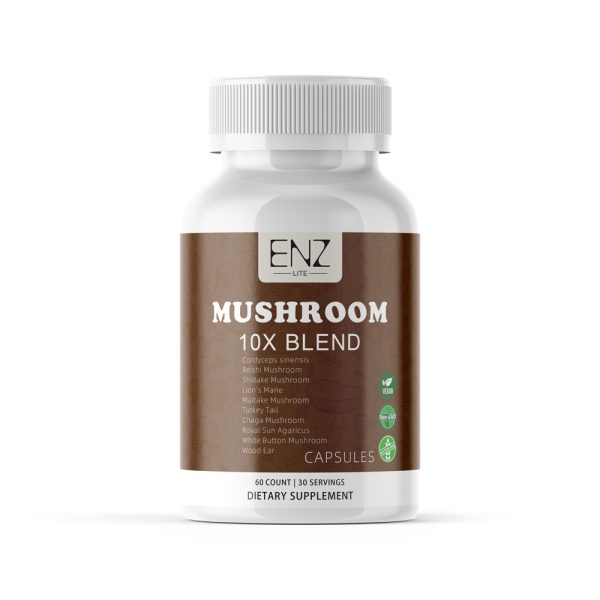
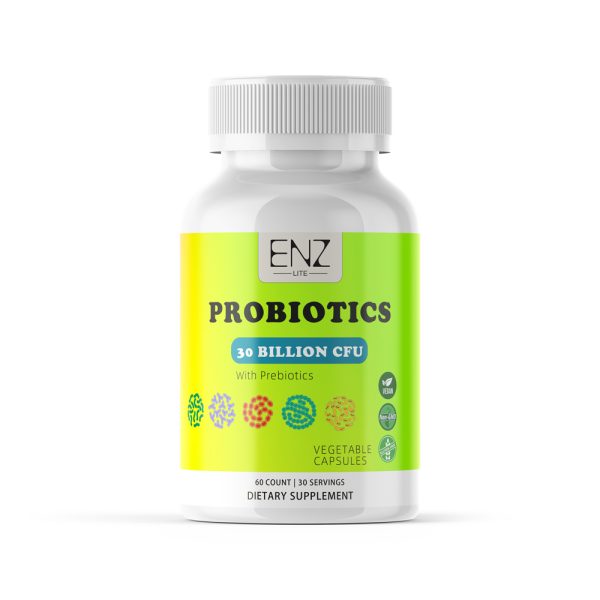
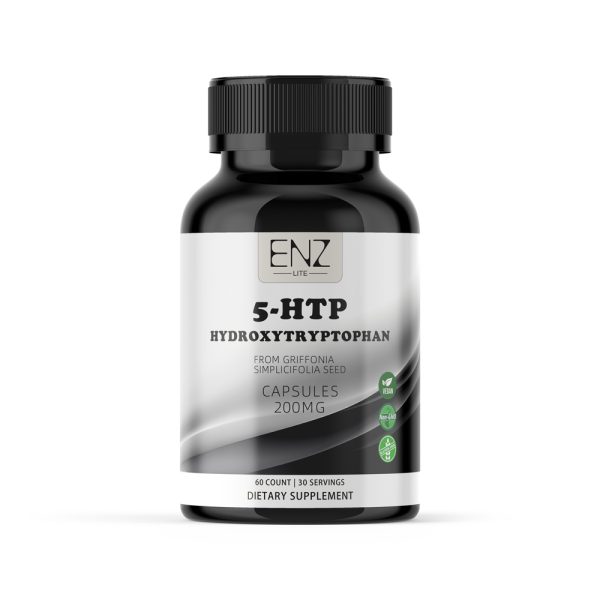
ENZ Pharmtech Dietary Supplement Manufacturer offers a comprehensive One-Stop Solution Service for Private Label and Custom Manufacturing. With state-of-the-art equipment, advanced facilities, high-speed production lines, and decades of formulation experience, we eliminate the supply chain friction that destroys emerging brands. ENZ Pharmtech is fully qualified in the health supplement field and holds elite global certifications including ISO (FSSC22000), HACCP, GMP, BRCS, FDA registration, and HALAL. We possess the rigorous analytical framework required to protect your brand liability and scale your vision globally. To start your production run, contact supplement manufacturer experts at ENZ Pharmtech today.
Summary and Comparison Tables
| Critical Metric | What to Demand | Why It Matters |
|---|---|---|
| Facility Certification | NSF, NPA, or UL cGMP Certification | Proves the facility undergoes rigorous third-party auditing beyond basic FDA registration. |
| Quality Assurance (QA) | In-house identity, microbial, and heavy metal testing. | Ensures your product is legal to sell and prevents heavy metal toxicity lawsuits. |
| Minimum Order Quantity (MOQ) | Transparent minimums (Typically 1,500 – 5,000 units). | Dictates your initial capital expenditure and cash flow requirements. |
| Manufacturing Model | Time to Market | Initial Capital Required | Best Suited For |
|---|---|---|---|
| Custom Formulation | 12 – 16 Weeks | High ($15k – $50k+) | Brands seeking unique IP, medical practitioners, disruptive formulas. |
| Private Label | 4 – 8 Weeks | Medium ($3k – $10k) | Influencers, gyms, e-commerce brands needing quick, proven products. |
| White Label (Bulk) | 1 – 3 Weeks | Low ($500 – $2k) | Testing new markets, local retail shops, low-budget startups. |
| Pros | Cons |
|---|---|
| Strict adherence to FDA 21 CFR Part 111 cGMP regulations. | Higher unit costs compared to Asian or Eastern European facilities. |
| “Made in the USA” marketing appeal drives higher retail conversions. | Longer lead times due to domestic labor and supply chain bottlenecks. |
| Easy to visit, audit, and communicate with the executive team. | Rigid MOQs make custom formulations difficult for underfunded startups. |
Frequently Asked Questions (FAQ)
How do I verify if a supplement manufacturer is legitimate?
To verify a manufacturer, ask for their FDA facility registration number and their third-party cGMP certificate (such as NSF, UL, or NPA). Call the certifying body to ensure the certificate is active. Additionally, request a physical or virtual tour of their blending and bottling rooms. Legitimate facilities welcome audits; brokers will refuse them.
What is the average MOQ for a custom supplement in the USA?
In most professional situations, reputable USA manufacturers require a Minimum Order Quantity (MOQ) of 1,500 to 5,000 bottles per SKU for a custom formulation. This is because the labor and time required to clean down massive V-blenders between different product runs make smaller batches financially unviable for the factory.
Do I need to FDA register my brand if I use an FDA registered manufacturer?
If you are solely the brand owner and distributor (meaning you do not physically hold, package, or label the product in your own facility), your manufacturer’s FDA registration covers the production. However, as the brand owner whose name is on the bottle, the FDA holds you ultimately responsible for adverse event reporting and ensuring the product is not misbranded or adulterated.
Authoritative References & Industry Standards
- U.S. Food and Drug Administration (FDA) – Official guidelines on Dietary Supplement Current Good Manufacturing Practices (cGMP) under 21 CFR Part 111.
- NSF International – Standards and public database for verifying third-party GMP registration of manufacturing facilities.
- Natural Products Association (NPA) – The leading trade association representing the dietary supplement industry, providing certification and advocacy.