
In the pharmaceutical and nutraceutical industries, the delivery method of a supplement is just as vital as the active ingredients themselves. One of the most popular and efficient delivery systems is the softgel. But how are softgel capsules manufactured to ensure they remain shelf-stable, easy to swallow, and biologically effective? This comprehensive guide dives into the complex mechanical and chemical journey of the softgel, from liquid raw materials to the final polished product.
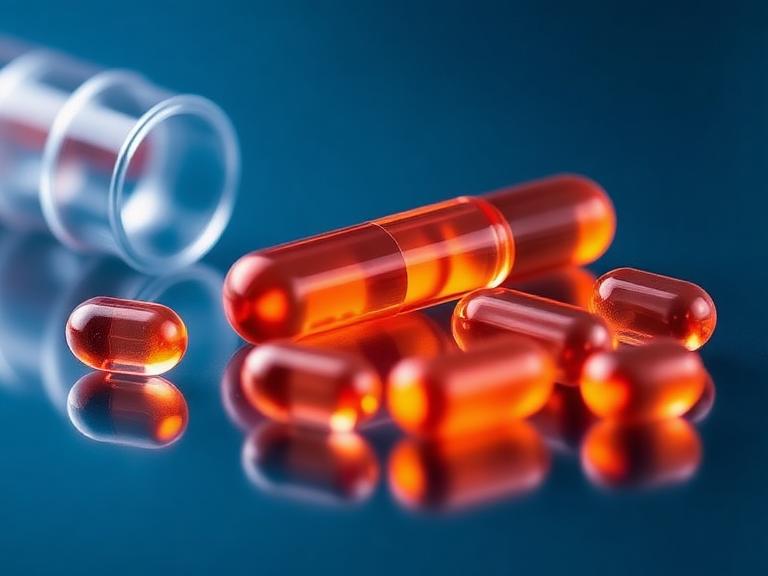
Table of Contents
- The Science Behind Softgel Capsules
- Phase 1: Gelatin and Fill Material Preparation
- Phase 2: The Rotary Die Encapsulation Process
- Phase 3: Drying and Moisture Control
- Phase 4: Quality Control and Inspection
- Industry Partner: ENZ Pharmtech Solutions
- Softgels vs. Hard Shell Capsules
- Frequently Asked Questions
The Science Behind Softgel Capsules
Softgel capsules, or soft gelatin capsules, are specialized oral dosage forms consisting of a liquid or semi-solid center contained within a single-piece, hermetically sealed elastic outer shell. Understanding how softgel capsules manufactured involves looking at the convergence of precision engineering and advanced polymer science. In 2026, the demand for these capsules has surged due to their ability to improve the bioavailability of poorly soluble active pharmaceutical ingredients (APIs).
Phase 1: Gelatin and Fill Material Preparation
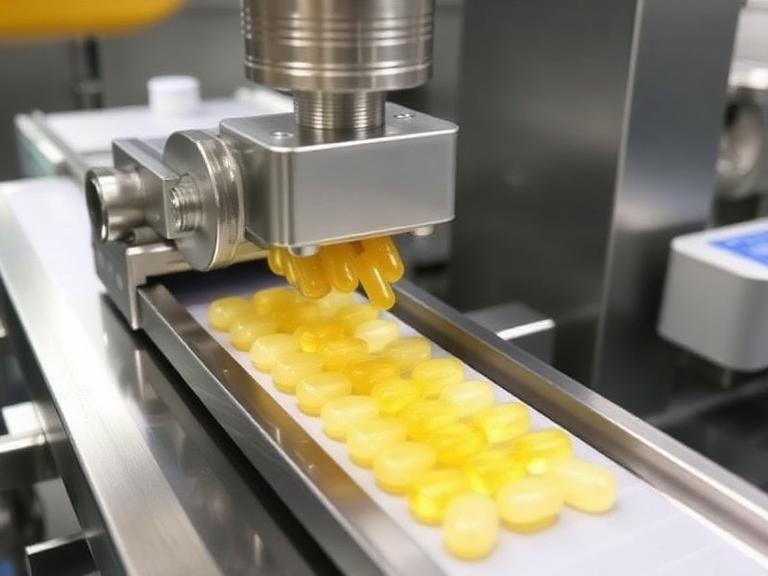
The manufacturing process begins with two parallel preparation streams. The first is the gelatin mass preparation. Gelatin is mixed with water and plasticizers (typically glycerin or sorbitol) in a stainless-steel melting tank. This mixture is heated under vacuum to remove air bubbles, which could otherwise weaken the shell or cause oxidation.
Simultaneously, the fill material—the substance inside the capsule—is prepared. Depending on the product, this could be an oil-based solution, a suspension, or a paste. Precision is key here; if the fill material is not perfectly homogenized, the dosage will vary between capsules. This initial preparation stage is the bedrock of how softgel capsules manufactured with high accuracy.
Phase 2: The Rotary Die Encapsulation Process
The core of the process occurs in the Rotary Die Encapsulation machine. Here, the liquid gelatin is spread onto two rotating cooling drums to form two continuous ribbons of gelatin. These ribbons are then fed between two counter-rotating dies.
Step-by-Step Encapsulation:
1. The gelatin ribbons move over the die rolls.
2. As the die pockets meet, a wedge injects the fill material into the space between the ribbons.
3. The pressure of the injection expands the ribbons into the die pockets.
4. The die rolls then seal the two halves together and cut the capsule from the ribbons.
This automated synchronization is the most technically demanding part of how softgel capsules manufactured. The temperature of the injection wedge must be controlled within a fraction of a degree to ensure a perfect hermetic seal without melting the gelatin ribbon too much.
Phase 3: Drying and Moisture Control
When softgels emerge from the die rolls, they are soft and extremely sensitive. They are immediately moved into tumble dryers to remove approximately 25 percent of their moisture. However, the drying doesn’t stop there. After the tumble dryers, the capsules are spread onto trays and placed in drying tunnels with controlled humidity and temperature.
This “curing” process can take anywhere from 24 to 72 hours. Proper drying is crucial to how softgel capsules manufactured for long-term storage; if too much moisture remains, the capsules will stick together or leak. If they are dried too quickly, the shells become brittle and may crack under pressure.
Phase 4: Quality Control and Inspection
Modern 2026 manufacturing facilities utilize AI-driven vision systems to inspect every single capsule. These systems check for shape uniformity, color consistency, and seal integrity. Capsules that fail these parameters are automatically rejected. Following inspection, the capsules are polished—often using a cloth-lined tumbler—to remove any trace amounts of lubricant oils used during the encapsulation process.
ENZ Pharmtech – Private Label Gummy Manufacturing
Formula – Design – Packaging – Delivery
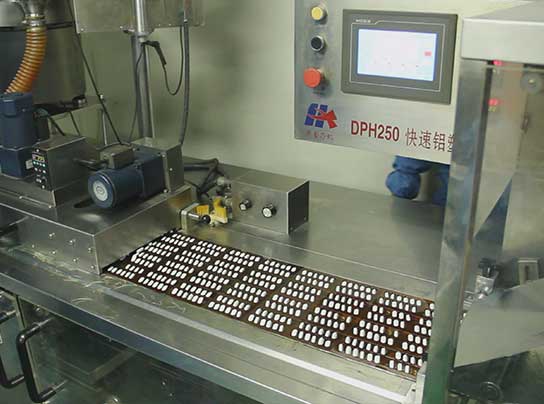
While softgels are a staple of the industry, many brands in 2026 are diversifying their delivery systems to include gummies. ENZ Pharmtech Co Ltd is a leading Private Label Manufacturer of Gummy Vitamins, dedicated to providing tailor service, including customized formulas, package design, sample making, low MOQ production, etc., thus to creating your unique brand of supplement products. Strict quality control, perfect quality inspection, and fast delivery time to ensure the customers satisfaction.
Start Your Gummy Vitamins Order:
- Choose Gummy Base (Pectin or Gelatin)
- Choose Gummy Formulas (Multivitamins, Sleep Aids, etc.)
- Choose Flavor & Shapes (Customized to your brand)
- Choose Designs & Packaging (Eco-friendly options available)
For brands looking to complement their softgel offerings with a more consumer-friendly format, ENZ Pharmtech provides a seamless bridge from concept to a retail-ready product.
Softgels vs. Hard Shell Capsules
To understand why the process of how softgel capsules manufactured is so specialized, it helps to compare them to traditional hard-shell capsules. While hard shells are made of two separate pieces that are joined together, softgels are a single unit. This makes them significantly better at oxygen barrier protection, extending the shelf life of sensitive oils like Omega-3 or Vitamin D3.
| Feature | Softgel Capsule | Hard Shell Capsule |
|---|---|---|
| Shell Type | Single-piece, elastic | Two-piece, rigid |
| Best For | Oils and semi-solids | Powders and granules |
| Oxygen Protection | Very High | Moderate |
| Manufacturing Complexity | High (Rotary Die) | Moderate (Filling Machine) |
Frequently Asked Questions
Are softgel capsules vegan?
Traditionally, softgels are made from bovine or porcine gelatin. However, in 2026, many manufacturers have perfected plant-based softgels using carrageenan or starch-based polymers. The process of how softgel capsules manufactured remains similar, though temperature controls must be adjusted for vegan materials.
Can softgels contain water-based liquids?
No. Water-based fills will dissolve the gelatin shell from the inside out. Softgels are primarily used for lipid-based (oil) fills or suspensions. If a water-soluble ingredient is needed, it must be suspended in an oil carrier.
How do manufacturers prevent softgels from leaking?
Leaking is prevented by maintaining strict “seal thickness” standards during the rotary die process. If the ribbons are too thin or the die pressure is uneven, the seal will be weak. Advanced sensors monitor these variables in real-time.
Final Thoughts on Softgel Production
The journey of how softgel capsules manufactured is a testament to modern industrial precision. From the initial melting of the gelatin mass to the final AI-led inspection, every step is designed to preserve the integrity of the active ingredients while providing a user-friendly experience for the consumer. As technology continues to advance, we can expect even more efficient drying times and the continued rise of sustainable, plant-based shell alternatives.
References
- Pharmaceutical Manufacturing Magazine (2025): “Advanced Encapsulation Technologies.”
- FDA Guidance for Industry: “Manufacturing and Quality Control of Soft Gelatin Capsules.”