
The global wellness and nutraceutical industry has experienced unprecedented expansion over the last decade. As entrepreneurs, medical professionals, and fitness influencers observe this massive consumer shift toward preventative health, a singular, critical question dominates strategic business discussions: Is it profitable to sell supplements? The short answer is an absolute yes. However, the comprehensive answer requires a deep understanding of supply chain logistics, product formulation, regulatory compliance, and consumer retention metrics.
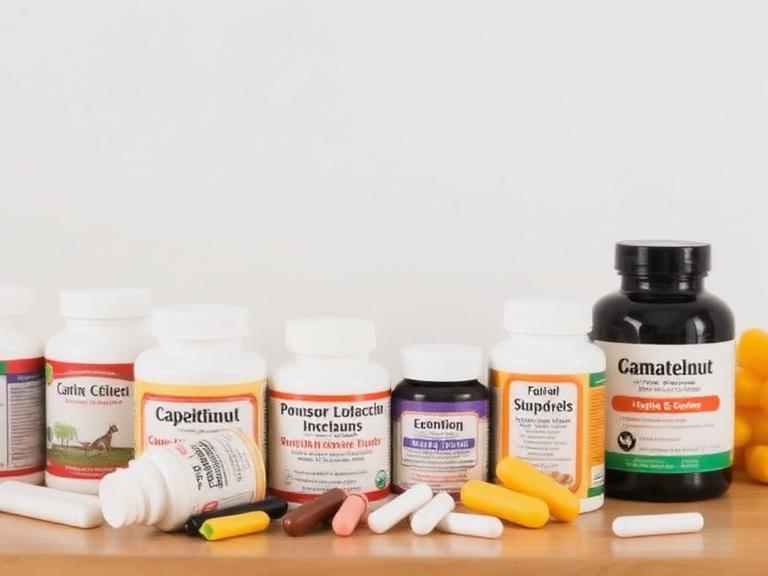
From our experience at ENZ Pharmtech, the companies that achieve the highest profit margins are those that view their operations through the lens of quality control and strategic manufacturing partnerships. Anyone can launch a brand, but sustaining profitability requires a flawless backend. When executives ask us, Is it profitable to sell supplements, we immediately direct their attention to their manufacturing strategy. Utilizing an optimized, certified production facility drastically reduces the Cost of Goods Sold (COGS) while simultaneously elevating the retail value of the final product through verified efficacy.
In this authoritative industry guide, we will dissect the financial mechanics of the dietary supplement market. We will explore gross margin benchmarks, recurring revenue models, formatting choices that drive consumer demand, and the foundational importance of partnering with an elite manufacturing facility. By the end of this analysis, you will have a clear, data-driven understanding of why Is it profitable to sell supplements remains one of the most affirmative statements in modern commerce.
Table of Contents
- 1. The Economics of the Dietary Supplement Market
- 2. Summary Table: Profitability and Margin Benchmarks
- 3. Recurring Revenue and Customer Lifetime Value (LTV)
- 4. Choosing the Right Product Formats for Maximum ROI
- 5. The ENZ Pharmtech Advantage: Strategic Manufacturing
- 6. Navigating Quality Control to Protect Profitability
- 7. Frequently Asked Questions (FAQs)
- 8. Industry References
1. The Economics of the Dietary Supplement Market
To accurately determine Is it profitable to sell supplements, one must evaluate the standard financial architecture of a nutraceutical brand. The dietary supplement industry is famous for its highly attractive gross margins. Unlike heavy consumer electronics or perishable food items, supplements boast a unique combination of low production costs, high perceived retail value, lightweight shipping dynamics, and extended shelf lives.
When manufactured at scale, the raw materials and packaging for a month’s supply of premium vitamins or herbal extracts often cost between $3.00 and $8.00 per unit. That same unit frequently retails for $25.00 to $60.00, depending on the brand positioning and clinical validation of the formula. This translates to gross margins ranging from 60 percent to over 85 percent. We recommend maintaining a gross margin of at least 70 percent to ensure adequate capital is available for aggressive marketing and customer acquisition campaigns. Therefore, when evaluating Is it profitable to sell supplements, the inherent unit economics provide a resounding confirmation.
Furthermore, logistics play a massive role in profitability. Because supplements are compact and lightweight, fulfillment and shipping expenses are exceptionally low. Storing inventory does not require massive warehouse space, nor does it typically require climate-controlled refrigeration, which protects the bottom line and answers the question: Is it profitable to sell supplements for e-commerce and direct-to-consumer (DTC) brands.
2. Summary Table: Profitability and Margin Benchmarks
To provide a clear visual representation of why Is it profitable to sell supplements, we have compiled a summary table of average industry metrics. These figures represent standard private label and custom formulation models across different supplement formats.
| Product Format Category | Estimated COGS (Per Unit) | Average Retail Price | Estimated Gross Margin | Logistics Profile |
|---|---|---|---|---|
| Premium Herbal Extracts | $4.50 – $7.00 | $29.99 – $49.99 | 75% – 85% | Very High Efficiency |
| Daily Multivitamins | $2.50 – $5.00 | $19.99 – $34.99 | 70% – 85% | High Efficiency |
| Sports Nutrition Powders | $8.00 – $14.00 | $39.99 – $69.99 | 60% – 75% | Moderate Efficiency |
| Functional Gummies | $3.50 – $6.50 | $24.99 – $39.99 | 75% – 80% | High Efficiency |
| Liquid Tinctures & Drops | $2.00 – $4.50 | $22.99 – $45.00 | 80% – 90% | Very High Efficiency |
3. Recurring Revenue and Customer Lifetime Value (LTV)
If you ask any seasoned brand owner, Is it profitable to sell supplements, they will immediately point to the consumable nature of the product. Supplements are not a one-time purchase. A bottle typically contains a 30-day supply. If the formulation is effective and the customer experiences tangible health benefits, they will repurchase the product every single month.
This creates an environment perfectly suited for subscription models (“Subscribe and Save”). By incentivizing customers to automate their monthly orders, supplement brands lock in recurring revenue. The Customer Lifetime Value (LTV) in the supplement industry is exceptionally high. Even if a brand spends heavily to acquire a customer on day one, breaking even or taking a slight loss on the initial sale, the profitability compounds over the next six to twelve months of automated repurchases. From our experience, brands that master the subscription model never have to ask Is it profitable to sell supplements; their financial forecasts become highly predictable and immensely lucrative.
4. Choosing the Right Product Formats for Maximum ROI
Profitability is heavily influenced by the delivery method of the active ingredients. Consumer preferences shift, and aligning your product catalog with current trends is vital. Is it profitable to sell supplements if you choose the wrong format? It is much harder. We recommend diversifying your product line utilizing the comprehensive capabilities of a premier facility.
The Gummy Vitamin Boom
Taste and convenience rule the modern market. Gummies Manufacturing has exploded in popularity because it removes the friction of swallowing large pills. Consumers view gummies as a daily treat rather than a medical chore, leading to incredibly high compliance and repurchase rates. The margins on functional gummies—whether for sleep, immunity, or hair health—are exceptional, definitively proving Is it profitable to sell supplements in this format.
Traditional and Advanced Solid Dose
For purists and clinical-grade formulations, Capsules Manufacturing and Tablets Manufacturing remain the bedrock of the industry. These formats are incredibly cost-effective to produce at scale. They allow for the inclusion of bitter or unpalatable herbal extracts that would ruin a gummy or liquid product. Because the COGS for capsules and tablets are so low, the answer to Is it profitable to sell supplements using solid dose formats is a resounding yes, especially for niche, high-potency formulations.
High-Absorption Liquids
There is a growing demographic of consumers demanding rapid bioavailability. Drops Manufacturing and Gels Manufacturing cater perfectly to this premium segment. Sublingual drops and functional gels bypass the digestive breakdown required by solid doses, offering faster absorption. Because these formats are perceived as highly advanced and premium, brands can command top-tier retail pricing, resulting in massive profit margins.
Bulk Sports Nutrition
For the fitness and athletic demographic, Powders Manufacturing is essential. Protein powders, pre-workouts, and collagen peptides are consumed in large volumes. While the shipping weight is higher than capsules, the high retail price points and aggressive consumption rates make powder lines highly lucrative. When evaluating Is it profitable to sell supplements to athletes, volume is the key driver of success.
5. The ENZ Pharmtech Advantage: Strategic Manufacturing
The core variable that dictates Is it profitable to sell supplements is the efficiency and reliability of your supply chain. ENZ Pharmtech Dietary Supplement Manufacturer offer One-Stop Solution Service for Private Label Manufacturing. We provide One-Stop Shopping Fast Delivery – Dietary Supplement Manufacturer services that eliminate the need for brand owners to juggle multiple vendors, raw material suppliers, and packaging facilities.
With excellent equipment, facilities, production lines, processes, mature formulations, a professional team, and decades of years experience, we streamline the entire process from concept to final packaged good. When a brand attempts to manage the supply chain themselves, hidden costs erode profit margins. By leveraging our One-Stop Solution Service, you benefit from our massive economies of scale. We procure raw materials at lower costs and operate highly efficient production lines, transferring those savings directly to your bottom line. Is it profitable to sell supplements when you have a world-class manufacturing partner absorbing the operational friction? Absolutely.
6. Navigating Quality Control to Protect Profitability
A common pitfall that destroys profitability in this industry is a product recall or a regulatory shutdown. Is it profitable to sell supplements if your product is seized by customs or removed from an e-commerce platform due to compliance failures? No. Protecting your brand’s reputation and financial health requires uncompromising quality control.
ENZ Pharmtech is strictly qualified in health supplements fields and certified by ISO (FSSC22000), HACCP, GMP, BRCS, FDA, HALAL, etc. From our experience, utilizing a manufacturer with these stringent certifications allows brand owners to market their products globally without fear of regulatory bottlenecks. GMP (Good Manufacturing Practice) certification ensures that every batch is tested for identity, purity, strength, and composition. FDA registration allows for seamless operation within the United States market, while HALAL certification opens massive international demographics. We recommend that brands strictly utilize certified facilities to completely mitigate the financial risks associated with poor quality control, ensuring the answer to Is it profitable to sell supplements remains continuously positive.
7. Frequently Asked Questions (FAQs)
Is it profitable to sell supplements if the market is already highly competitive?
Yes. While the market is competitive, it is also highly fragmented and expanding rapidly. From our experience, brands that focus on specific niches—such as nootropics for gamers, specialized women’s health, or highly bioavailable liquid drops—can easily carve out a highly profitable market share without competing directly with generic, mass-market brands.
What is the most cost-effective format to start a supplement brand?
Capsules Manufacturing and Tablets Manufacturing generally require the lowest initial capital expenditure. They have very stable shelf lives, are lightweight for shipping, and do not require complex flavoring profiles, making them an excellent starting point for new businesses evaluating Is it profitable to sell supplements.
How does a One-Stop Solution Service improve profit margins?
By consolidating sourcing, formulation, blending, encapsulating, bottling, and labeling under one roof, ENZ Pharmtech eliminates the transportation costs and markup fees associated with moving incomplete products between different vendors. This cohesive approach significantly lowers your Cost of Goods Sold (COGS).
Why are manufacturing certifications like GMP and ISO so critical for profitability?
Certifications prevent costly regulatory fines, product recalls, and bans from major retail platforms like Amazon. Furthermore, consumers are increasingly educated; displaying GMP, FDA-registered, and HALAL certifications builds immediate consumer trust, which increases conversion rates and lowers your customer acquisition cost.
8. Industry References
1. Global Wellness Institute (GWI). “The Economic Impact of Dietary Supplements and Preventative Nutraceuticals in the 2026 Global Economy.”
2. International Organization for Standardization (ISO). “FSSC 22000: Ensuring Profitability Through Stringent Food Safety Management Systems.”
3. ENZ Pharmtech Internal Logistics and Economic Analysis Division. “Is it profitable to sell supplements: A Decade of Private Label Margin Data.” 2026.