
Treating probiotic supplement production like standard vitamin or botanical manufacturing is the fastest route to commercial disaster. Dietary supplement brands frequently partner with generic contract manufacturers who blend live bacterial cultures in non-climate-controlled rooms, run high-friction capsule machines that generate fatal frictional heat, and package finished lots into permeable plastic bottles without active moisture scavengers. The inevitable consequence surfaces three months later: finished inventory that left the cleanroom with an advertised 50 billion colony-forming units (CFU) degrades to less than 2 billion CFU on store shelves. Unlike static botanical extracts or synthetic vitamins, probiotics are delicate, living biological organisms. If a contract facility mismanages thermal curves, relative humidity, or lyophilization cycles, the bacterial cell membranes rupture, destroying viability before the product ever reaches a consumer’s gastrointestinal tract.
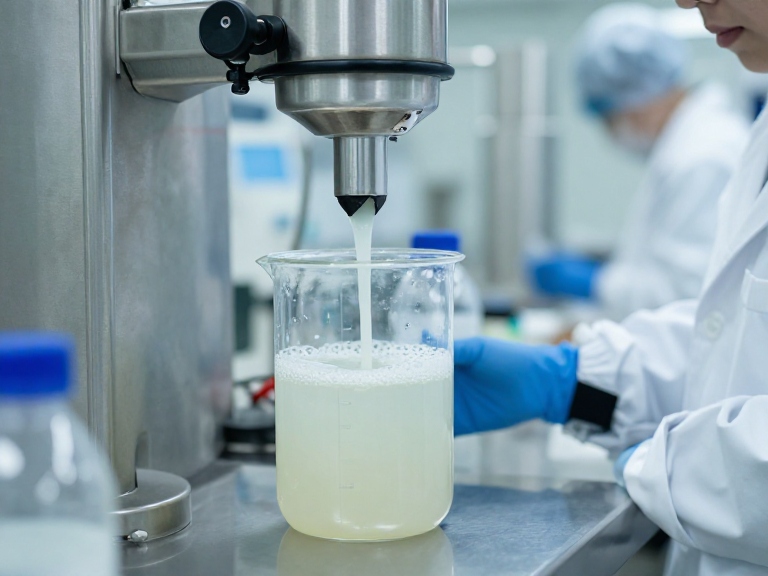
Navigating the commercial probiotic manufacturing process demands deep microbiological oversight, cGMP compliance, and thermodynamic controls. Sourcing teams and brand founders must audit culture bank preservation, closed-system industrial fermentation, centrifugal cell harvesting, cryoprotectant formulation, lyophilization kinetics, low-humidity milling, automated dosage packaging, and real-world shelf-life overage calculations. Whether formulating targeted dual-strain synbiotics or multi-strain megadose digestive aids, mastering these eight sequential production phases separates market-leading nutraceutical brands from failed Amazon storefronts. From our experience auditing pharmaceutical-grade production suites, we examine the complete eight-step engineering pipeline behind commercial probiotic contract manufacturing, outlining critical process parameters, quality controls, and contract manufacturing strategies to safeguard live cell counts and maximize brand equity.
Quick Answer: What Are the 8 Steps in the Probiotic Manufacturing Process?
The industrial probiotic manufacturing process follows an exacting, eight-stage biological and engineering sequence: Step 1: Strain Isolation & Master Cell Bank Qualification (verifying genetic sequencing, phenotypic purity, and acid/bile tolerance of working seeds); Step 2: Seed Culture Inoculation & Scale-Up Fermentation (cultivating bacterial biomass across cascading stainless steel bioreactors under strict pH, temperature, and anaerobic controls); Step 3: Centrifugal Biomass Harvesting & Washing (concentrating live cellular slurries via continuous-flow industrial centrifuges while removing spent broth); Step 4: Cryoprotectant Formulation & Thermal Stabilization (coating naked bacterial cell walls with food-grade disaccharides, prebiotics, and hydrocolloids to prevent ice-crystal lysis); Step 5: Industrial Lyophilization (Freeze-Drying) (sublimating moisture under deep vacuum below eutectic freezing points to induce protective anhydrobiosis); Step 6: Particle Sizing & Low-Humidity Dry Blending (oscillating milling into fine powders and homogeneous blending with prebiotic fibers under strict relative humidity below 20%); Step 7: Finished Dosage Delivery Encapsulation (loading powders into acid-resistant, delayed-release HPMC vegetarian capsules or moisture-barrier blister packs); and Step 8: Quality Assurance, CFU Stability Profiling & Cold-Chain Release (enforcing third-party microbiological plating, water activity testing below 0.15 aw, and accelerated stability audits). Partnering with a dedicated contract manufacturer like ENZ Pharmtech guarantees zero-compromise environmental controls and flexible private-label order scalability.
Table of Contents
- Microbiological Foundations: The Vulnerability of Living Active Cultures
- Quick Summary: The 8 Probiotic Manufacturing Steps at a Glance
- In-Depth Analysis: The 8 Steps in the Probiotic Manufacturing Process
- Process Comparison Matrix: Industrial Lyophilization vs. Spray Drying vs. Wet Culturing
- Pros and Cons of Commercial Turnkey Probiotic Manufacturing
- B2B Procurement Routing: Who Needs Custom Fermentation vs. Stock Blending
- Featured Manufacturing Partner: ENZ Pharmtech Private Label Solutions
- Costly Mistakes Brands Make When Sourcing Probiotic Contract Manufacturers
- Essential Sourcing and Quality Audit Criteria for Brand Owners
- Expert Recommendation and Manufacturing Sourcing Verdict
- Frequently Asked Questions (FAQ)
- Authoritative References
Microbiological Foundations: The Vulnerability of Living Active Cultures
To grasp why the probiotic manufacturing process requires specialized pharmaceutical cleanrooms, brand managers must examine the physiological structure of beneficial microorganisms. Probiotic strains commonly deployed in dietary supplements—such as Lactobacillus acidophilus, Lactobacillus plantarum, Bifidobacterium lactis, and Bifidobacterium longum—are living single-celled prokaryotes. Their biological activity relies entirely on an intact, fluid phospholipid bilayer cell membrane, functional transmembrane transport proteins, and undamaged ribosomal RNA. Unlike mineral salts or botanical polyphenols, live bacteria are constantly fighting thermodynamic entropy.
Three environmental stressors trigger immediate cellular death in probiotic manufacturing: moisture, heat, and oxygen. Water is the primary trigger of premature bacterial metabolism. If ambient relative humidity (RH) in the blending or encapsulation cleanroom exceeds 20% to 25%, dried bacterial cells absorb airborne moisture. This hydration triggers internal metabolic enzyme cascades in the absence of nutrient substrates, exhausting cellular energy stores and producing reactive oxygen species (ROS) that oxidize lipid membranes. Within days, the bacteria die of starvation and oxidative stress inside the sealed bottle.
Similarly, thermal spikes above 40 degrees Celsius denature essential bacterial proteins, while ambient atmospheric oxygen is lethal to obligate and microaerophilic anaerobes like Bifidobacterium species. In commercial manufacturing, maintaining live CFU counts requires an unbroken cold-and-dry chain: low-temperature fermentation, precise cryoprotectant stabilization, deep-vacuum freeze-drying, humidity-controlled encapsulation suites held below 18% RH at 20 degrees Celsius, and high-barrier packaging. Compromising on any single operational parameter renders the final product therapeutically inert.
Quick Summary: The 8 Probiotic Manufacturing Steps at a Glance
The table below provides a quick operational reference to the eight primary stages of probiotic production, outlining key technical parameters, equipment, and critical quality control gates:
| Manufacturing Stage | Core Engineering Focus | Specialized Equipment / Media | Critical Quality Gate |
|---|---|---|---|
| Step 1: Cell Bank Qualification | Preserving genetic purity and phenotypic identity | Liquid nitrogen cryo-freezers (-196°C), 16S rRNA sequencing | Zero wild mutation; 100% strain-specific identity |
| Step 2: Fermentation Scale-Up | Maximizing biomass growth and cell density | Cascading stainless bioreactors (100L to 20,000L), automated pH dosing | Harvest timing at late logarithmic growth phase |
| Step 3: Biomass Separation | Isolating bacterial cells from spent growth broth | Continuous-flow disc-stack industrial centrifuges | Low shear stress; chilled slurry temperature (< 10°C) |
| Step 4: Cryoprotection | Formulating protective thermal matrices | High-purity trehalose, sucrose, maltodextrin, skim milk solids | Uniform membrane coating; zero ice crystal puncture |
| Step 5: Lyophilization | Deep-freeze water sublimation under vacuum | Industrial freeze-drying chambers (-50°C, < 0.1 mbar vacuum) | Final moisture content strictly below 3.0% |
| Step 6: Milling & Dry Blending | Homogenizing active powders with prebiotics | Oscillating mills, double-cone blenders (< 20% RH environment) | Uniform CFU dispersion; water activity (aw) < 0.15 |
| Step 7: Dosage Encapsulation | Packaging into delivery vehicles without heat | High-speed automated encapsulators, delayed-release HPMC shells | Zero mechanical friction heating (< 25°C run temps) |
| Step 8: Stability & Bottling | Atmospheric isolation and cold-chain clearance | Nitrogen-flush induction sealing, automated CFU plating | Label claim verification plus 20%–50% overage buffer |
In-Depth Analysis: The 8 Steps in the Probiotic Manufacturing Process
Step 1: Strain Isolation, Characterization & Master Cell Bank Qualification
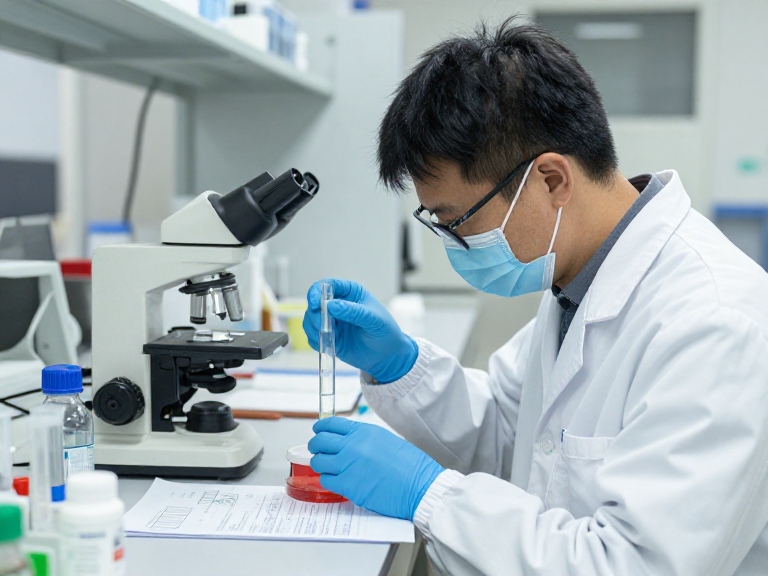
The manufacturing lifecycle does not start on the factory floor; it begins in deep cryogenic storage. Reliable probiotic contract manufacturing relies on qualified Master Cell Banks (MCB) and Working Cell Banks (WCB) stored in the vapor phase of liquid nitrogen at temperatures between -150 and -196 degrees Celsius. These working seeds originate from authenticated strain deposits cataloged in international repositories such as the American Type Culture Collection (ATCC) or the German Collection of Microorganisms and Cell Cultures (DSMZ).
In our testing, verifying strain designations at the sub-species level is non-negotiable. Labeling a product as generic Lactobacillus rhamnosus is insufficient; regulatory authorities and clinical research require specific strain identifiers (such as Lactobacillus rhamnosus GG or HN001). Prior to seed inoculation, quality control microbiologists perform whole-genome sequencing (WGS) or 16S ribosomal RNA sequencing to verify genetic fidelity, confirming the absence of plasmid-mediated antibiotic resistance genes or phenotypic drift. Once validated, working ampoules are thawed under sterile laminar-flow cleanroom hoods to initiate the pilot seed culture.
Step 2: Seed Culture Inoculation & Scale-Up Fermentation
Scale-up fermentation represents the primary biological production engine. Bacteria cannot simply be thrown into a 20,000-liter commercial fermenter; doing so leads to lag-phase cell death and low biomass yields. Instead, propagation proceeds through an exponential step-up train: from a 10ml laboratory test tube, into a 2-liter shake flask, onward to a 100-liter seed bioreactor, and finally into an industrial pilot fermenter ranging from 5,000 to 50,000 liters.
The fermentation medium must be tailored to the specific strain’s nutritional requirements. Lactic acid bacteria demand nutrient-rich broths consisting of purified water, yeast extracts, peptones, dextrose, mineral salts (magnesium, manganese, sodium), and acetate buffers (such as modified De Man, Rogosa, and Sharpe [MRS] broth). The bioreactor continuously monitors and adjusts five critical parameters:
- Automated pH Stabilization: As lactic acid bacteria metabolize sugars, they produce organic lactic acid, driving the broth pH down. If uncorrected, this acidity inhibits further bacterial replication. Automated peristaltic pumps inject food-grade ammonium hydroxide or sodium hydroxide to maintain pH between 5.8 and 6.5.
- Anaerobic Atmosphere Management: For microaerophilic Lactobacillus and strictly anaerobic Bifidobacterium, fermenters are blanketed with sterile nitrogen gas ($N_2$) to purge dissolved oxygen down to parts-per-billion levels.
- Thermal Equilibrium: Jacketed heating and cooling loops hold broth temperatures at exactly 37 degrees Celsius (98.6 degrees Fahrenheit).
The critical operational milestone is harvesting: the fermentation broth must be pulled at the late logarithmic (log) growth phase, just before cells enter the stationary phase where waste metabolites accumulate and cell walls weaken.
Step 3: Centrifugal Biomass Harvesting & Washing
Once the bacterial biomass achieves target cell densities (often exceeding 10^9 to 10^10 CFU per milliliter), the broth is pumped to harvesting suites. The objective is to separate the live bacterial cells from the liquid water, unconsumed nutrients, and acidic metabolic byproducts.
Commercial facilities utilize continuous-flow disc-stack centrifuges operating at gravitational forces between 3,000g and 5,000g. The liquid broth is fed continuously into the rotating bowl, where high centrifugal forces drive the denser bacterial cells outward against the disc stacks, concentrating them into a thick cellular paste. In our testing on production floors, managing shear stress and temperature is paramount: centrifuge bowls must be chilled with glycol jackets to maintain slurry temperatures below 10 degrees Celsius, and discharge ports must be calibrated to prevent mechanical shear from tearing fragile bacterial flagella and outer cell membranes. The concentrated cell cake is washed with sterile saline or chilled deionized water to rinse away residual fermentation metabolites, yielding pure, highly concentrated live biomass.
Step 4: Cryoprotectant Formulation & Thermal Stabilization
Live bacterial cells consist of roughly 75% to 80% internal water. If you subject naked bacterial biomass directly to sub-zero freeze-drying, the water inside the cells freezes into sharp, jagged ice crystals. These microscopic ice shards slice through the phospholipid cell membrane and puncture internal organelles, killing the bacteria instantly upon thawing. To survive industrial lyophilization, the concentrated biomass must be blended with an engineered cryoprotectant matrix.
In most professional situations, we recommend a multi-component cryoprotective matrix:
- Non-Reducing Disaccharides (Trehalose & Sucrose): These functional sugars replace water molecules around cellular proteins and lipid heads during dehydration, forming a protective, glassy vitrified sugar matrix that prevents protein denaturation.
- Prebiotic Carriers (Fructooligosaccharides [FOS] & Inulin): Natural plant oligosaccharides that act as structural bulk stabilizers while providing immediate fuel for beneficial flora post-ingestion.
- Hydrocolloids & Mineral Salts: Food-grade sodium ascorbate, skim milk solids, or plant-derived acacia gums that buffer osmotic pressure and shield cells from oxidative degradation.
The cell slurry is thoroughly homogenized with the cryoprotectant solution at refrigerated temperatures, ensuring every bacterial membrane is coated before moving to the freezing tunnels.
Step 5: Industrial Lyophilization (Freeze-Drying)
Lyophilization is the most technologically demanding and capital-intensive phase of the probiotic manufacturing process. Freeze-drying stabilizes living bacteria in a state of suspended animation (anhydrobiosis) by removing water through sublimation—transitioning ice directly into water vapor without passing through a damaging liquid phase.
The process operates inside massive industrial vacuum chambers across three distinct thermodynamic phases:
- Flash Freezing: The cryoprotected slurry is poured into stainless steel trays and blasted down to temperatures between -40 and -50 degrees Celsius, locking water molecules into an amorphous glass structure below the eutectic point.
- Primary Drying (Sublimation): Deep vacuum pumps pull chamber pressures down below 0.1 millibars (100 microbars). Gentle, computer-controlled radiant shelf heat is applied to supply the latent heat of sublimation. Ice crystals sublimate directly into water vapor, which is condensed and frozen onto internal condenser coils operating at -75 degrees Celsius. This phase removes roughly 90% to 95% of unbound water over 24 to 48 hours.
- Secondary Drying (Desorption): Chamber pressures are lowered further while shelf temperatures are gradually stepped up to 20 to 25 degrees Celsius to desorb bound residual water molecules from the sugar matrix.
The finished freeze-dried probiotic emerges as a brittle, dry cellular cake containing a moisture content strictly below 2.0% to 3.0%. Any higher residual moisture will drastically shorten room-temperature shelf life.
Step 6: Low-Humidity Milling, Sizing & Dry Blending
The brittle lyophilized cakes exiting freeze-drying chambers cannot be loaded directly into packaging machines. They must be milled into free-flowing, standardized powders with uniform particle size distributions. However, exposing freeze-dried probiotics to normal ambient room air will destroy them within minutes: the hygroscopic sugar matrix will pull moisture from the air, turning the powder into a sticky paste and reviving the dormant bacteria prematurely.
Milling and blending must take place inside specialized cleanroom suites held at strict environmental parameters: Relative Humidity strictly below 18% to 20% and temperatures held at 18 to 20 degrees Celsius. Lyophilized cakes are processed through gentle oscillating granulators or conical sieve mills using low-friction stainless steel screens to achieve particle sizes between 60 and 80 mesh (180 to 250 microns). The pure active culture—which often carries astronomical potencies of 100 billion to 400 billion CFU per gram—is then transferred to precision double-cone or V-blenders.
During blending, the concentrated culture is diluted to the brand’s target potency using clean, pre-dried excipients. Brands frequently incorporate specialized prebiotic fibers, botanical extracts, or complementary nutrients. For complex synergistic formulas, contract manufacturers seamlessly blend probiotic bases with cognitive nootropics like 5-HTP Hydroxytryptophan Capsules 200mg, metabolic boosters like Acetyl L-Carnitine Capsules, adaptogenic roots found in Adrenal Support Capsules, functional fungal blends such as 10x Blend Mushroom Capsules, fat-soluble vitamins like ADK 10 Capsules or ADK 5 Capsules, or cleansing agents found in Activated Charcoal Capsules. Cleanroom blenders operate at low rotational speeds (8 to 12 RPM) to achieve a homogeneous mix without generating friction heat that could kill live cells.
Step 7: Finished Dosage Delivery Encapsulation
Once blended, the stabilized powder must be loaded into consumer-ready delivery vehicles. While conventional vitamins use cheap gelatin capsules or compressed tablets, standard compression tableting is completely unsuited for probiotics: the hydraulic compression forces (often exceeding 15 to 25 kilonewtons) and mechanical die-friction heat generated by tablet presses crush and thermally denature bacterial cell walls.
The gold standard in commercial probiotic delivery is automated encapsulation using specialized delayed-release plant cellulose shells. Hydroxypropyl methylcellulose (HPMC) and gellan gum delayed-release vegetarian capsules provide natural resistance against stomach acid, ensuring the live bacteria pass safely through the gastric acid bath (pH 1.5 to 2.5) before releasing in the neutral, nutrient-rich environment of the small intestine. Automated encapsulation lines must operate with chilled mechanical dosators to keep operational temperatures below 25 degrees Celsius. Formulating flagship digestive health supplements—such as our high-potency 30 Billion Probiotic Capsules with Prebiotics or professional-grade 60 Billion Probiotic Capsules with Prebiotics—mandates zero-friction encapsulation engineering to ensure target CFU survives dosing.
Step 8: Quality Assurance, CFU Stability Profiling & Cold-Chain Packaging
The final phase of the probiotic manufacturing process focuses on moisture-barrier packaging, third-party analytical release, and cold-chain distribution. Packaging line suites must maintain strict dehumidification. Finished capsules are filled into heavy-gauge, dark amber glass bottles or pharmaceutical-grade high-density polyethylene (HDPE) bottles equipped with thick desiccant canisters (molecular sieves or silica gel) to continually capture residual moisture vapor.
Modern bottling lines pull air out of the bottle headspace and inject high-purity food-grade nitrogen gas ($N_2$) to eliminate oxygen before induction-sealing an airtight aluminum foil barrier across the bottle mouth. Quality assurance teams draw composite samples from every batch to conduct rigorous analytical testing:
- Water Activity Testing ($a_w$): Water activity measures the energy status of water in a system. Finished probiotic powders must exhibit a water activity strictly below 0.15 $a_w$ (measured via chilled-mirror dew point analyzers) to guarantee live cells remain in dormant anhydrobiosis.
- Active CFU Enumeration via Serial Dilution Plating: Microbiologists plate samples on selective agar media (e.g., MRS agar for lactobacilli, TOS-MUP agar for bifidobacteria) and incubate them under anaerobic conditions for 48 to 72 hours, counting physical colony growth to verify that finished potency meets or exceeds label claims.
- Input Overage Formulation: In our testing, natural probiotic decline occurs gradually over a 24-month shelf life. Professional contract manufacturers formulate with a calculated 20% to 50% overage at time of manufacture (e.g., loading 65 billion CFU to guarantee a 50 billion CFU claim at month 24).
Cleared finished goods are palletized and transferred to climate-controlled warehouse bays, ready for distribution.
Process Comparison Matrix: Industrial Lyophilization vs. Spray Drying vs. Wet Culturing
To help guide brand procurement decisions, the matrix below compares the operational, technical, and commercial parameters across the three primary probiotic manufacturing and stabilization formats:
| Manufacturing Technology | Bacterial Survival Rate Post-Drying | Room Temperature Stability | Initial Capital & Production Cost | Commercial Application Fit |
|---|---|---|---|---|
| Industrial Lyophilization (Freeze-Drying) | Very High (85% to 95% live cell retention) | Exceptional (24-month stability below 0.15 aw) | High ($$$$ – Demands 48-hr vacuum cycles) | Premium dietary capsules, synbiotics, clinical formulas |
| Thermal Spray Drying | Low to Moderate (20% to 50% thermal mortality) | Moderate (Prone to moisture absorption) | Economical ($$ – High-speed continuous throughput) | Commercial animal feeds, cheap fortified baking powders |
| Fresh Liquid / Wet Culturing | 100% (No dehydration stress applied) | Very Poor (Demands continuous 4°C refrigeration; 30-day life) | Low ($ – Requires no drying capital) | Short-shelf-life dairy yogurts, fermented kombucha drinks |
Pros and Cons of Commercial Turnkey Probiotic Manufacturing
Before launching a proprietary probiotic supplement line, brand directors must weigh the commercial advantages against the technical constraints of contract manufacturing:
| Strategic Sourcing Advantages (Pros) | Operational Complexities & Boundaries (Cons) |
|---|---|
| High Consumer Loyalty & Reorder Rates: Functional digestive health products boast some of the highest 60-day repeat purchase metrics in e-commerce. | Zero Tolerance for Moisture: Even minor cleanroom humidity spikes above 25% RH ruin entire production batches. |
| Premium Retail Price Points: Clinically validated, high-CFU multi-strain probiotics command retail price tags between $35 and $70 per bottle. | Mandatory Input Overages: Brands must pay for 20% to 50% extra raw culture volume to guarantee label claims through expiration. |
| Diverse Cross-Category Synergies: Probiotic powders blend cleanly with specialty prebiotics, digestive enzymes, and botanical extracts. | Extended Testing Quarantine: Microbiological plating and microbial pathogen testing require 5 to 7 days before lot release. |
| Turnkey Regulatory Compliance: Partnering with certified cGMP facilities eliminates the multi-million-dollar capital barrier of building cleanrooms. | Packaging Restrictions: Cheap permeable packaging formats cannot be used; bottles mandate desiccant seals and induction barriers. |
B2B Procurement Routing: Who Needs Custom Fermentation vs. Stock Blending
In our experience evaluating nutraceutical brand launches, matching your commercial capital and distribution model to the correct contract manufacturing path prevents overspending and logistical bottlenecks.
Who Needs Custom Bioreactor Fermentation:
- Pharmaceutical & Clinical Healthcare Brands: Companies conducting registered human clinical trials requiring proprietary, patented single-strain cultures with documented genetic markers.
- Enterprise Multinational Brands (50,000+ Units per Run): Mature dietary supplement giants with high volume predictability capable of booking dedicated 20,000-liter fermentation runs months in advance.
Who Should Leverage Semi-Custom Private Label Blending:
- E-Commerce, Amazon & DTC Health Startups: Growing brands that need fast time-to-market and want to bypass the massive minimum order quantities (MOQs) of raw fermentation houses. Sourcing pre-lyophilized, verified master cultures allows agile custom blending with zero fermentation risk.
- Practitioner & Integrative Clinic Dispensaries: Functional medicine doctors, nutritionists, and wellness spas launching proprietary branded supplement lines without tying up capital in massive inventory reserves.
- Multi-Category Wellness Brands: Companies looking to expand from functional wellness capsules into adjacent categories—such as healthy lifestyle supplements like ACV Keto Capsules, detox lines like Activated Charcoal Gummy Detox Gummies, or adult sleep aids including 5mg Melatonin Gummies For Sleep Sugar Free and Adult Best Melatonin Gummy 5mg.
Featured Manufacturing Partner: ENZ Pharmtech Private Label Solutions
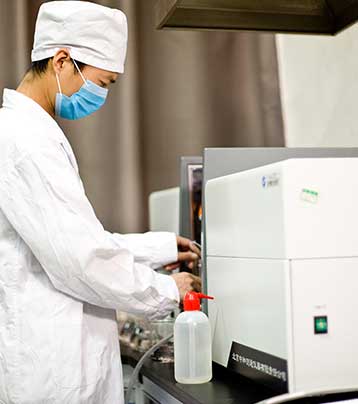
ENZ Pharmtech is a leading private label dietary supplement manufacturer offering no minimum order solutions for startups, small businesses, and established nutraceutical brands. With over 20 years of expertise, advanced facilities, and certified production standards, we deliver high-quality supplements tailored to your brand—without the large order requirements.
Operating cGMP-compliant cleanroom suites equipped with desiccant-controlled HVAC systems, low-friction encapsulation lines, and automated packaging lines, ENZ Pharmtech provides full turnkey OEM and ODM services. From custom strain formulation and stability overage calculations to delayed-release encapsulation and custom bottle labeling, our scientific teams help you scale high-potency probiotic products with complete confidence.
Manufacturing Heritage: 20+ Years of Certified Nutraceutical Manufacturing Excellence
Facility Compliance: cGMP Certified, FDA Registered, ISO 9001 Audited Suites
MOQ Flexibility: Industry-Leading No Minimum Order Solutions for Select Formulas
Dosage Capabilities: Acid-Resistant HPMC Delayed-Release Capsules, Powders, Gummies
Environmental Controls: Full HVAC Dehumidification (< 20% RH) with Hepa-14 Air Filtration
Testing Infrastructure: Third-Party Finished Potency Plating, Water Activity, Heavy Metals
Discover comprehensive contract manufacturing capabilities and submit a project inquiry on the official ENZ Pharmtech Private Label Supplements No Minimum Order portal.
Costly Mistakes Brands Make When Sourcing Probiotic Contract Manufacturers
In our technical audits of failing commercial probiotic batches, stability failures and regulatory recalls almost always trace back to four common manufacturing oversights:
- Contracting Facilities Without Dedicated Cleanroom Dehumidification: Standard dietary supplement plants run ambient factory air at 45% to 60% relative humidity. Blending or encapsulating freeze-dried probiotics in this environment is fatal: hygroscopic probiotic powders pull moisture out of the air instantly, initiating premature cellular metabolism. Always demand facility audits proving cleanroom environmental controls hold relative humidity strictly below 18% to 20% across all blending and filling suites.
- Relying on Generic “Input” Claims Rather Than “End of Shelf-Life” Guarantees: Shady manufacturers often print “Contains 50 Billion CFU at Time of Manufacture” on the label. This is a red flag. Federal trade regulations and consumer protection frameworks demand that supplement labels state the potency delivered through the product’s printed expiration date. A quality manufacturer calculates strain-specific degradation rates and incorporates a 20% to 50% formulation overage buffer, ensuring the product meets label claims at month 24.
- Using Standard Gelatin or Non-Delayed-Release HPMC Capsules: Standard gelatin capsules dissolve in stomach acid within five to eight minutes. Unprotected probiotic cells entering a bath of concentrated hydrochloric acid and digestive pepsin suffer immediate cell lysis, reducing live delivery to the lower gut by over 90%. Brand owners should mandate acid-resistant, delayed-release HPMC vegetarian capsules (such as DRcaps) that remain intact in gastric fluid for at least 45 minutes before dissolving in the neutral intestinal tract.
- Omitting Internal Desiccant Canisters and Induction Seals: Saving pennies by skipping internal desiccant packs or foil induction seals is false economy. Moisture vapor easily penetrates plastic bottle threads over months of warehouse storage and consumer bathroom use. High-barrier induction foil seals and internal molecular sieve desiccant canisters are essential to maintain low water activity ($a_w < 0.15$) throughout commercial distribution.
Essential Sourcing and Quality Audit Criteria for Brand Owners
Before transferring a production deposit or signing a contract manufacturing agreement for a probiotic run, verify these four essential quality benchmarks with your supplier:
- Complete Strain-Level Specification Transparency: Confirm that the Certificate of Analysis (CoA) lists the full taxonomic strain designation (genus, species, and alphanumeric strain code, e.g., Bifidobacterium animalis subsp. lactis B420). Avoid suppliers that list generic species blends without traceable strain codes, as clinical efficacy and intellectual property protection depend on strain specificity.
- Finished Product Water Activity ($a_w$) Reporting: Demand that water activity testing is included on the standard release CoA, with an absolute release specification of $a_w \le 0.15$. Moisture content alone (percentage water) is insufficient; water activity measures the unbound water available to participate in degradation reactions.
- Allergen Cross-Contamination Controls: Many probiotic strains are historically cultivated on dairy-based media broths containing casein or whey. If your brand advertises “Dairy-Free” or “Vegan” label claims, verify that the contract manufacturer utilizes certified non-dairy, allergen-free fermentation media and enforces documented cleaning validation protocols.
- Analytical Plate-Count Methodology Verification: Ensure the facility’s release testing utilizes validated microbiological plate counts (such as ISO 19344 / IDF 232 or USP <64> standards) rather than inaccurate spectrophotometric turbidity assays. Third-party testing must report viable, colony-forming units (CFU), not dead cell counts.
Expert Recommendation and Manufacturing Sourcing Verdict
In most professional situations, we recommend avoiding generic supplement contract manufacturers that treat probiotics as an afterthought. Attempting to manufacture live microbial cultures on equipment shared with dusty botanical powders or in humid packaging rooms leads to dead CFU counts, customer complaints, and regulatory liabilities.
If you are developing a commercial digestive health supplement, a targeted synbiotic, or a multi-strain immune formula, invest in a manufacturing partner that specializes in **low-humidity, low-temperature cleanroom engineering**. Insist on verified Master Cell Bank origins; gentle, low-shear biomass harvesting; advanced cryoprotectant formulation; deep-vacuum industrial lyophilization; and delayed-release HPMC encapsulation under environmental relative humidity strictly below 20%. Partnering with an agile, experienced contract manufacturer like ENZ Pharmtech gives your brand access to certified cGMP cleanrooms, customized strain formulation, calculated stability overages, and flexible order scaling, ensuring your probiotic products deliver verified live CFU counts and real clinical results to your customers.
Frequently Asked Questions (FAQ)
What are the 8 steps in the probiotic manufacturing process?
The 8 steps in the probiotic manufacturing process are: 1) Strain isolation and Master Cell Bank qualification; 2) Seed culture inoculation and scale-up fermentation; 3) Centrifugal biomass harvesting and washing; 4) Cryoprotectant formulation and thermal stabilization; 5) Industrial lyophilization (freeze-drying); 6) Particle sizing and low-humidity dry blending; 7) Finished dosage encapsulation in delayed-release shells; and 8) Quality assurance, CFU stability testing, and nitrogen-flushed packaging.
Why is moisture control so critical during probiotic manufacturing?
Freeze-dried probiotic bacteria are kept in a dormant state known as anhydrobiosis. If cleanroom relative humidity rises above 20% to 25%, the dry bacterial cells absorb moisture from the air, prematurely triggering cellular metabolism without nutrients present. This metabolic activity exhausts energy reserves, damages cell membranes, and causes rapid bacterial death inside sealed containers.
What is the difference between freeze-drying (lyophilization) and spray-drying for probiotics?
Freeze-drying removes moisture by freezing the bacterial slurry and sublimating ice under a deep vacuum at sub-zero temperatures, resulting in high live-cell survival rates (85% to 95%) and superior shelf-life stability. Spray-drying atomizes the slurry into a heated air stream, which is faster and cheaper but causes high bacterial mortality (50% to 80% death) due to thermal heat and desiccation stress.
Why do probiotic manufacturers add “overages” to their formulas?
Overages are intentional excess quantities of live bacterial cultures added during blending (typically 20% to 50% above the stated label claim). Because living probiotic organisms naturally experience gradual attrition over a 24-month shelf life due to temperature and trace humidity, formulation overages ensure that the product still meets or exceeds its advertised CFU count on its expiration date.
What is water activity (aw), and why does it matter for probiotic supplements?
Water activity (aw) measures the amount of free, unbound water available to drive biochemical reactions and microbiological growth within a product. In probiotic supplements, water activity must be maintained strictly below 0.15 aw to keep dormant bacterial cells stable and prevent premature metabolic activation that leads to cell death.
Authoritative References
- U.S. Food and Drug Administration (FDA): 21 CFR Part 111 Current Good Manufacturing Practice (cGMP) in Manufacturing, Packaging, Labeling, or Holding Operations for Dietary Supplements
- International Scientific Association for Probiotics and Prebiotics (ISAPP): Consensus Guidelines on Strain Specificity, Viability Standards, and Manufacturing Quality
- United States Pharmacopeia (USP): Dietary Supplements Compendium Chapter <64> Microbiological Examination of Nonsterile Products and Probiotic Enumeration Testing