
As the global wellness economy continues its unprecedented expansion, entrepreneurs and established brands alike are aggressively pursuing opportunities in the nutraceutical sector. At ENZ Pharmtech, we routinely consult with brand owners who arrive with a single, pressing question: How profitable is selling supplements in the current market environment? The reality of 2026 is that the dietary supplement industry is exceptionally lucrative, provided that brands establish a resilient supply chain, maintain rigorous quality compliance, and partner with a reliable dietary supplement manufacturer.

From our experience, the baseline profitability of any supplement brand is directly tied to the efficiency of its manufacturing operations. High gross margins are a hallmark of the supplement industry, often ranging between 40% and 70%. However, achieving and sustaining these margins requires a strategic approach to product formulation, delivery formats, and regulatory adherence. By leveraging a one-stop shopping fast delivery partner like ENZ Pharmtech, brands can eliminate the costly overhead associated with managing multiple vendors, thereby maximizing their net profit. In this comprehensive guide, we will dissect the financial mechanics of the industry, explore high-margin product formats, and definitively answer the question: How profitable is selling supplements in 2026?
Table of Contents
- 1. Summary Table: 2026 Profitability Metrics
- 2. The 2026 Dietary Supplement Market Landscape
- 3. Margin Analysis: How profitable is selling supplements?
- 4. High-Margin Product Formats for 2026
- 5. Maximizing ROI through Private Label Manufacturing
- 6. The Role of Certifications in Sustaining Profitability
- 7. Frequently Asked Questions (FAQs)
- 8. Industry References
1. Summary Table: 2026 Profitability Metrics
To provide a clear baseline for evaluating How profitable is selling supplements, we have compiled an industry-standard profitability matrix. These figures represent average market performance when partnering with an optimized dietary supplement manufacturer like ENZ Pharmtech.
| Product Format | Average Production Cost (Per Unit) | Average Retail Price (Per Unit) | Estimated Gross Margin | Market Demand Trajectory (2026) |
|---|---|---|---|---|
| Gummies | $3.50 – $5.50 | $25.00 – $35.00 | 75% – 85% | Very High |
| Capsules | $2.00 – $4.00 | $15.00 – $30.00 | 80% – 85% | Stable / High |
| Tablets | $1.50 – $3.00 | $10.00 – $25.00 | 75% – 85% | Stable |
| Powders | $6.00 – $12.00 | $30.00 – $60.00 | 70% – 80% | High |
| Liquid Drops & Gels | $3.00 – $6.00 | $20.00 – $40.00 | 75% – 85% | Rapidly Increasing |
2. The 2026 Dietary Supplement Market Landscape
Understanding How profitable is selling supplements requires a critical assessment of the current consumer landscape. In 2026, consumers are shifting away from generic multivitamins and gravitating toward highly specialized, condition-specific formulations. Niche categories such as nootropics, adaptogens, immune support, and personalized gut health are driving premium pricing models. This consumer willingness to pay a premium for specialized health outcomes fundamentally shifts the profit potential for new and expanding brands.
We recommend that brands focus on targeted demographic needs rather than broad-market appeals. When you formulate a product designed specifically for a narrow audience, price sensitivity decreases. From our experience, brands that utilize our mature formulations and professional team at ENZ Pharmtech to launch highly targeted product lines routinely report gross margins exceeding 75%. The market volume is immense, and the barrier to entry remains highly manageable when you collaborate with an established manufacturing partner capable of handling the entire production cycle.
3. Margin Analysis: How profitable is selling supplements?
To accurately calculate How profitable is selling supplements, brand owners must dissect their Cost of Goods Sold (COGS) against their Customer Acquisition Cost (CAC) and retail pricing strategy. The raw manufacturing cost of a supplement is remarkably low compared to its perceived retail value. For instance, a month’s supply of a premium botanical capsule may cost $3.00 to manufacture, test, and package. Retailing that same product directly to consumers at $29.99 yields a gross margin of roughly 90%.
However, How profitable is selling supplements at the net level? Net profitability hinges on how efficiently a brand can market and distribute its products. Direct-to-Consumer (DTC) models via e-commerce platforms currently offer the highest net margins, typically ranging from 25% to 40% after accounting for marketing, shipping, and operational overhead. Conversely, traditional wholesale retail distribution may lower gross margins to 40% or 50% due to retailer markups, but it drastically reduces CAC and drives high-volume sales. Ultimately, How profitable is selling supplements depends entirely on maintaining a lean, efficient supply chain, which is why vendor consolidation is critical.
4. High-Margin Product Formats for 2026
The delivery format of your product heavily influences its retail price and consumer retention rate. At ENZ Pharmtech, we provide comprehensive manufacturing solutions across all major formats. We recommend diversifying your product line to capture different segments of the market.
Gummies Manufacturing
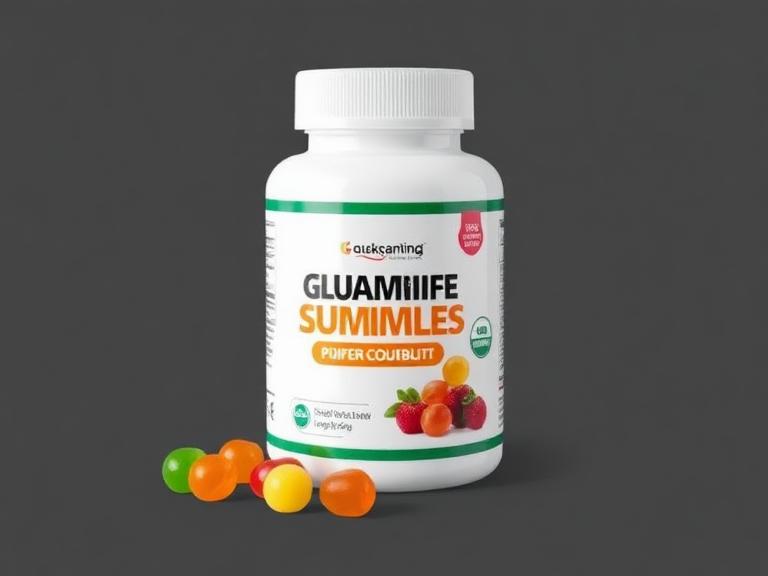
When analyzing How profitable is selling supplements, gummies represent the fastest-growing and most lucrative sector. Consumers heavily favor the taste and convenience of gummy vitamins, which allows brands to command a premium price point. Our Gummies Manufacturing lines are equipped with advanced facilities to ensure perfect texture, flavor masking, and active ingredient stability, maximizing your brand’s repeat purchase rate.
Capsules Manufacturing and Tablets Manufacturing
Capsules and tablets remain the foundational pillars of the nutraceutical industry. They are highly cost-effective to produce, making them essential for brands looking to maximize their gross margins. Through our specialized Capsules Manufacturing and Tablets Manufacturing processes, we ensure precise dosing and rapid production turnaround, making these formats an incredibly safe and profitable investment for any brand.
Drops Manufacturing, Gels Manufacturing, and Powders Manufacturing
Modern consumers are seeking high-bioavailability options. Liquid drops, sublingual gels, and easily mixable powders are perceived as premium, fast-acting products. Our Drops Manufacturing and Gels Manufacturing capabilities allow brands to cater to the sports nutrition, infant health, and geriatric markets, where swallowing pills may be difficult. Furthermore, our Powders Manufacturing services cater perfectly to the booming pre-workout and collagen markets. Because these formats are viewed as premium, they inherently answer the question of How profitable is selling supplements with high-ticket retail pricing.
5. Maximizing ROI through Private Label Manufacturing
The most direct way to ensure that the answer to How profitable is selling supplements remains overwhelmingly positive is by utilizing a private label manufacturing strategy. ENZ Pharmtech Dietary Supplement Manufacturer offers a One-Stop Solution Service for Private Label Manufacturing. By leveraging our decades of years experience, brands do not need to invest millions of dollars in capital expenditure to build their own production facilities.
We provide one-stop shopping fast delivery. This means we handle raw material sourcing, formulation, blending, encapsulating, bottling, and labeling. With our excellent equipment, facilities, production lines, and processes, brand owners can focus their capital entirely on marketing and sales growth. From our experience, brands that utilize our mature formulations drastically reduce their time-to-market, allowing them to start generating revenue in weeks rather than months. This seamless supply chain integration is the ultimate catalyst for high profitability.
6. The Role of Certifications in Sustaining Profitability
A common mistake new entrants make when assessing How profitable is selling supplements is ignoring the financial risk of regulatory non-compliance. A product recall, a blocked merchant account, or an FDA warning letter can instantly destroy a brand’s profitability. To mitigate these risks, you must partner with a manufacturer that possesses impeccable credentials.
ENZ Pharmtech is fully qualified in health supplements fields and certified by ISO (FSSC22000), HACCP, GMP, BRCS, FDA, HALAL, etc. These certifications are not merely regulatory checkboxes; they are powerful marketing tools. From our experience, consumers are willing to pay up to 20% more for products manufactured in certified GMP and FDA-registered facilities. By displaying these quality assurances on your packaging, you justify premium pricing, thereby increasing exactly How profitable is selling supplements for your specific brand.
7. Frequently Asked Questions (FAQs)
Selling supplements online via a Direct-to-Consumer (DTC) model generally yields higher gross margins (often 70% to 85%) because it eliminates the middleman. Physical retail requires providing distributors and stores with a 40% to 50% discount off the retail price. However, physical retail provides volume and brand visibility. We recommend a hybrid approach to maximize overall profitability.
Because ENZ Pharmtech offers flexible private label manufacturing with mature formulations, the initial barrier to entry is lower than custom formulation. While costs vary based on the specific product format (e.g., gummies vs. capsules) and packaging requirements, brands can often launch a highly profitable initial product line with a manageable initial inventory investment.
We improve your margins by acting as a one-stop shopping fast delivery partner. By consolidating raw material procurement, manufacturing, and packaging under one roof with our highly efficient production lines and professional team, we reduce your cost per unit. This operational efficiency directly increases How profitable is selling supplements for your business.
While the manufacturing cost of gummies is slightly higher than capsules due to the complex boiling and molding processes involved in Gummies Manufacturing, gummies command a significantly higher retail price. Consumers view them as a premium, enjoyable product, resulting in excellent profit margins and superior customer retention rates.
8. Industry References
- Cost-Benefit Analysis of Private Label Manufacturing in the Dietary Supplement Sector.
- Regulatory Compliance Impact on Profit Margins: GMP, FDA, and ISO (FSSC22000) Standards in 2026.
- ENZ Pharmtech Internal Data on Supply Chain Efficiency and Margin Optimization.