
<
In the booming health and wellness industry, protein powder has transitioned from a niche bodybuilding supplement to a household staple. From whey isolate to pea protein blends, the demand for high-quality nutritional supplements is at an all-time high. But have you ever wondered about the industrial engineering behind your morning shake? Understanding how to make protein powder in factories reveals a complex interplay of biology, chemistry, and mechanical engineering.
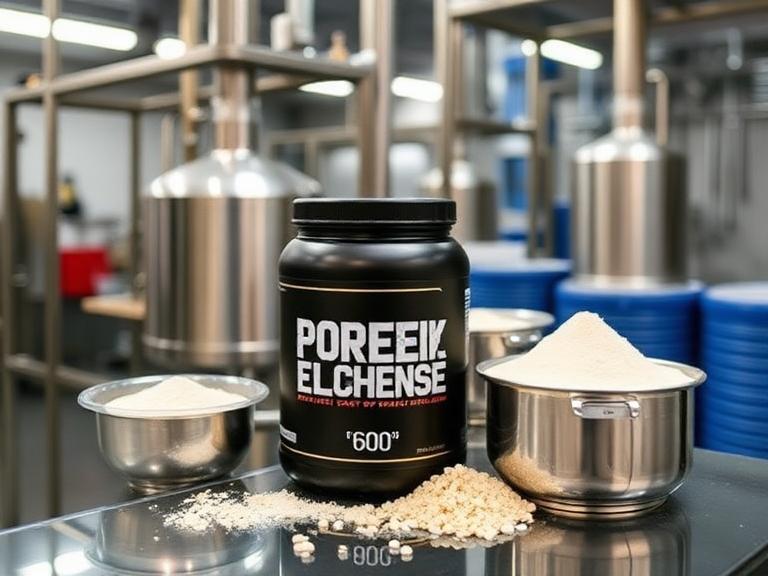
This comprehensive guide will take you behind the scenes of a modern manufacturing facility. We will explore the journey of raw ingredients as they travel through filtration, drying, and blending processes to become the fine powder sitting on your kitchen shelf. Whether you are an aspiring entrepreneur looking to launch a supplement brand or a consumer curious about what you consume, this article details the precise methods used to make protein powder in factories efficiently and safely.
Table of Contents
- 1. Sourcing the Raw Material: The Beginning of the Chain
- 2. Separation and Pasteurized Processing
- 3. The Filtration Spectrum: Micro to Ultra
- 4. Evaporation and Spray Drying Technology
- 5. Blending, Flavoring, and Fortification
- 6. Quality Control and Safety Testing
- 7. Packaging and Distribution
- 8. Partnering with a Manufacturer: ENZ Pharmtech
- 9. Summary Production Table
- 10. Frequently Asked Questions (FAQs)
1. Sourcing the Raw Material: The Beginning of the Chain
The process to make protein powder in factories begins long before the machinery is turned on. It starts at the source. The type of protein powder being manufactured determines the raw material input. The two most common categories are dairy-based (Whey and Casein) and plant-based (Pea, Soy, Rice, Hemp).
Dairy-Based Sourcing
For whey protein, the journey begins at dairy farms. Fresh cow’s milk is collected and transported to cheese manufacturing plants. Interestingly, whey was historically considered a waste byproduct of cheese making. Today, it is “liquid gold.” The milk must be tested immediately for antibiotics and bacteria to ensure it meets food safety standards before processing begins.
Plant-Based Sourcing
For vegan proteins, the process starts with harvesting crops like yellow split peas or soybeans. These raw materials arrive at the factory in bulk dry form. Unlike milk, which is a liquid solution, plant sources require an initial extraction phase to separate the protein from the high fiber and starch content of the vegetable matter.
2. Separation and Pasteurized Processing
Once the raw material is on-site, the industrial process to make protein powder in factories kicks into high gear. For dairy protein, this stage is crucial for separating the curds from the whey.
Enzymes and heat are added to the milk to induce coagulation. The solid curds (which become cheese or casein protein) are separated from the liquid whey. At this stage, the liquid whey is only about 1% protein and contains significant amounts of lactose, minerals, and fat. To ensure safety, this liquid undergoes pasteurization. This involves heating the liquid to a specific temperature for a set time to kill harmful bacteria without denaturing the delicate protein structures.
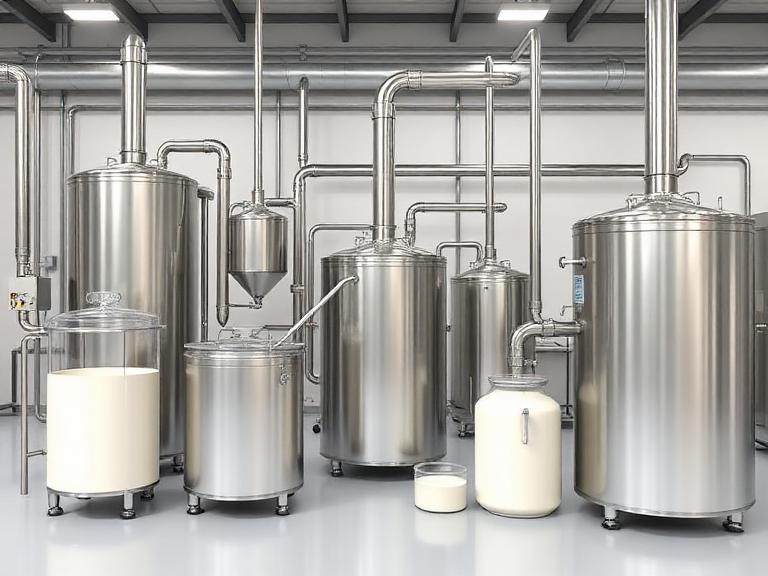
For plant proteins, the raw vegetables are ground into a flour. This flour is mixed with water to create a slurry. By adjusting the pH of the water, manufacturers can solubilize the protein, allowing it to be separated from the fiber and starch which remain solid. This protein-rich liquid then moves to the filtration stage.
3. The Filtration Spectrum: Micro to Ultra
The liquid resulting from the separation phase is not yet “protein powder.” It is a dilute solution. To make protein powder in factories that is potent and pure, the liquid must be filtered. This is where the distinction between “Concentrate” and “Isolate” occurs.
Membrane Filtration
Factories use massive stainless steel columns filled with semi-permeable membranes. The liquid is pushed through these membranes under high pressure.
- Ultrafiltration (UF): This process removes a significant amount of water, lactose, and minerals, retaining the protein. This typically results in Whey Protein Concentrate (WPC), which is roughly 80% protein.
- Microfiltration (MF): This uses even finer membranes to remove fat and bacteria.
Ion Exchange (Chromatography)
To create Whey Protein Isolate (WPI), which is 90% pure protein or higher, factories may use Ion Exchange. This chemical process uses electrical charges to separate protein molecules from almost all remaining lactose and fat. While this produces a very pure protein, some argue it can denature certain bioactive peptides. Cross-Flow Microfiltration (CFM) is a mechanical alternative often preferred for preserving native protein structures.
4. Evaporation and Spray Drying Technology
At this point in the process to make protein powder in factories, the product is a high-protein liquid concentrate. It must be dried into a powder. This is the most energy-intensive part of the operation.
Evaporation
Before drying, the liquid is sent through an evaporator. By boiling the liquid under a vacuum, water can be removed at lower temperatures, preventing the protein from cooking or burning. This thickens the liquid into a viscous slurry with a high solid content.
Spray Drying
This is the industry standard for converting the slurry into a powder. The concentrated protein liquid is sprayed through an atomizer nozzle into a massive drying chamber. As the fine mist enters the chamber, it meets a stream of hot air.
The moisture evaporates almost instantly, leaving behind fine solid particles. These particles fall to the bottom of the chamber and are collected. The result is “Unflavored Protein Base Powder.” This powder typically has a shelf life of up to two years if stored correctly.
5. Blending, Flavoring, and Fortification
Raw protein powder usually has a bland or slightly milky taste. To create the consumer-ready products we see on shelves, the base powder is moved to large industrial blenders, often V-blenders or Ribbon blenders.
In this stage, manufacturers add:
- Flavoring Agents: Cocoa powder, vanilla extract, freeze-dried fruit powders.
- Sweeteners: Sucralose, Stevia, Monk Fruit, or cane sugar.
- Emulsifiers: Sunflower lecithin or soy lecithin is added to ensure the powder mixes easily with water without clumping (instantizing).
- Functional Ingredients: Digestive enzymes, probiotics, vitamins, and minerals may be added to fortify the product.
The blending process must be precise. Uneven blending can result in “hot spots” where one scoop tastes bland and the next is overly sweet. This is a critical step when you make protein powder in factories to ensure consistency.
6. Quality Control and Safety Testing
Before packaging, the batch must undergo rigorous testing. A reputable factory will have an in-house laboratory, but will often use third-party labs for unbiased verification.
Tests include:
- Microbiological Testing: Screening for Salmonella, E. coli, and Listeria.
- Heavy Metal Testing: Ensuring lead, arsenic, cadmium, and mercury levels are below safety thresholds.
- Protein Content Verification: Using the Kjeldahl or Dumas method to verify the nitrogen content matches the protein claim on the label.
- Organoleptic Testing: Taste, smell, and texture checks by human sensory panels.
7. Packaging and Distribution
The final step to make protein powder in factories is packaging. The powder is transferred to a filling line. High-speed auger fillers dispense the precise weight of powder into tubs, pouches, or sachets.
During filling, the containers are often flushed with nitrogen gas. This displaces oxygen, which prevents the fats in the protein from going rancid and extends the shelf life. An induction seal is applied under the cap to ensure tamper evidence and freshness.
Finally, labels are applied, lot numbers and expiration dates are laser-coded onto the package, and the units are boxed for distribution.
8. Partnering with a Manufacturer: ENZ Pharmtech
For brands looking to enter the market without building their own multi-million dollar facility, partnering with a contract manufacturer is essential. Finding a partner who understands the nuance of how to make protein powder in factories with high efficiency and quality is key to success.
ENZ Pharmtech Dietary Supplement Manufacturer
One-Stop Shopping Fast Delivery – Dietary Supplement Manufacturer
ENZ Pharmtech Dietary Supplement Manufacturer offers a One-Stop Solution Service for Private Label Manufacturing. With excellent equipment, facilities, production lines, and processes, they leverage decades of experience to deliver superior products. Their mature formulations and professional teams make them a leader in the field.
They are qualified in health supplements fields and hold major global certifications including ISO (FSSC22000), HACCP, GMP, BRCS, FDA, and HALAL. This ensures that every scoop of powder produced meets the highest international standards.
Our Comprehensive Manufacturing Services:
9. Summary Production Table
| Stage | Action | Key Equipment |
|---|---|---|
| 1. Reception | Testing raw milk or plant material | Storage silos, Testing Lab |
| 2. Separation | Isolating protein from source | Centrifuges, Extractors |
| 3. Filtration | Concentrating protein % | Ultrafiltration membranes |
| 4. Drying | Converting liquid to powder | Spray Dryers |
| 5. Blending | Flavoring and Instantizing | Ribbon Blenders |
| 6. Packaging | Filling and Sealing | Auger Fillers, Induction Sealers |
10. Frequently Asked Questions (FAQs)
Understanding the intricate process required to make protein powder in factories highlights the importance of choosing quality manufacturers. From the microscopic filtration membranes to the massive spray drying towers, every step requires precision engineering to ensure the final product is safe, delicious, and effective.