
The global dietary supplement market is projected to reach unprecedented heights by 2026, driven by a consumer shift toward preventative health and longevity. However, launching a successful brand in this crowded space requires more than just a good formula; it requires a strategic, compliant, and market-aware approach.
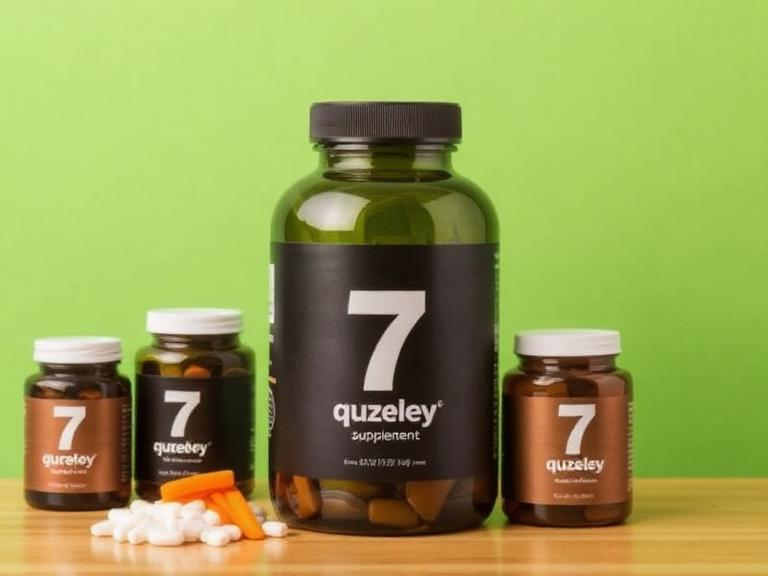
Whether you are looking to launch a line of high-performance capsules or wellness gummies, this comprehensive guide outlines the seven critical steps to create a supplement brand that stands the test of time and regulation.
Guide to Launching Your Supplement Brand
- Step 1: Define Your Niche and Target Audience
- Step 2: Understanding FDA and Regulatory Compliance
- Step 3: Developing Your Supplement Formulations
- Step 4: Choosing the Right Manufacturing Partner
- Step 5: Brand Identity and Compliant Label Design
- Step 6: Setting Up Your E-commerce and Logistics
- Step 7: Launch and Marketing Strategies for 2026
- Quick Summary of Manufacturing Options
- Frequently Asked Questions
Step 1: Define Your Niche and Target Audience
The first step to create a supplement brand is to identify a specific problem you are solving. The era of the “all-in-one” general multivitamin is being replaced by hyper-personalized nutrition. In 2026, the fastest-growing sectors include cognitive health (nootropics), longevity (NAD+ boosters), and gut-brain axis support. Instead of targeting “everyone,” aim for specific demographics such as “clean protein for vegan athletes” or “hormone balance for postpartum women.”
Conduct thorough market research to understand your competitors. Look at their ingredient lists, pricing, and most importantly, their customer reviews. What are people complaining about? Use those gaps as your unique selling proposition (USP). If you find that most sleep aids on the market cause grogginess, focus your brand on “non-drowsy evening recovery.”
Step 2: Understanding FDA and Regulatory Compliance
Unlike pharmaceuticals, the FDA does not “approve” dietary supplements before they reach the market. However, they strictly regulate them under the Dietary Supplement Health and Education Act (DSHEA). When you create a supplement brand, you are legally responsible for ensuring your products are safe and your claims are substantiated.
Avoid “disease claims” at all costs. You cannot say your supplement “cures insomnia” or “treats anxiety.” Instead, use “structure-function claims” such as “supports a restful night’s sleep” or “promotes a balanced mood.” Every label must also include the standard FDA disclaimer: “These statements have not been evaluated by the Food and Drug Administration. This product is not intended to diagnose, treat, cure, or prevent any disease.”
Step 3: Developing Your Supplement Formulations
Will you use a white-label stock formula or develop a custom formulation? White-labeling is the fastest way to create a supplement brand, as the manufacturer already has the recipe and testing completed. However, custom formulations allow for proprietary blends that differentiate you from competitors. In 2026, bioavailability is a key trend—consumers are looking for “liposomal” delivery or “chelated” minerals that the body can actually absorb.
Selecting the Right Delivery Format
The format of your supplement significantly impacts user experience. Consider these popular options:
- Gummies: High consumer preference due to taste and convenience.
- Capsules and Tablets: Standard, cost-effective, and easy to scale.
- Drops and Liquids: Ideal for those with pill fatigue or for pediatric/elderly niches.
- Powders: Best for high-dose ingredients like collagen or protein.
Professional Partnership Spotlight
ENZ Pharmtech Dietary Supplement Manufacturer offer One-Stop Solution Service for Private Label Manufacturing. With the excellent equipment, facilities, production lines, processes, mature formulations, professional team, and decades of years experience. Qualified in health supplements fields and certified by ISO (FSSC22000), HACCP, GMP, BRCS, FDA, HALAL, etc.
Their capabilities include:
Step 4: Choosing the Right Manufacturing Partner
Your manufacturer is your most important business partner. When you create a supplement brand, your reputation depends on their quality control. You must ensure they follow Current Good Manufacturing Practices (cGMP). A reputable manufacturer will provide a Certificate of Analysis (COA) for every batch, proving that what is on the label is actually in the bottle.
Ask potential partners about their minimum order quantities (MOQs). For a startup, high MOQs can tie up too much capital in inventory. Look for partners like ENZ Pharmtech that offer turnkey solutions—handling everything from sourcing raw materials to final packaging—so you can focus on marketing and sales.
Step 5: Brand Identity and Compliant Label Design
In the digital age, your packaging is your “handshake” with the customer. Your brand identity should reflect your niche. A clinical, minimalist design works well for science-backed nootropics, while vibrant, organic aesthetics suit herbal or lifestyle supplements.
Labeling compliance is non-negotiable. Every label must include:
- Statement of Identity (e.g., “Herbal Supplement”)
- Net Quantity of Contents
- Supplement Facts Panel
- Ingredient List (in descending order of weight)
- Name and Place of Business (Manufacturer/Distributor)
Step 6: Setting Up Your E-commerce and Logistics
Most new supplement brands launch as Direct-to-Consumer (D2C) entities. Platforms like Shopify are industry standards because they integrate easily with subscription apps—essential for supplements since recurring revenue is the lifeblood of the business.
Logistics is another hurdle. Supplements often require temperature-controlled storage to maintain potency (especially probiotics or softgels). You must decide whether to handle fulfillment in-house or partner with a Third-Party Logistics (3PL) provider that understands the nuances of food-grade storage and FDA-registered facilities.
Step 7: Launch and Marketing Strategies for 2026
In 2026, the most successful way to create a supplement brand is through “Educational Marketing.” Modern consumers are skeptical; they want to see the science. Use social media platforms like TikTok and Instagram to explain how specific ingredients work in the body. Partner with “Micro-influencers”—nutritionists, trainers, or doctors—who have a highly engaged and trusting audience.
SEO (Search Engine Optimization) is critical for long-term growth. Write deep-dive blog posts about the health concerns your product addresses. If you sell a magnesium complex, your content should answer questions like “Which type of magnesium is best for sleep?” or “Magnesium glycinate vs citrate.”
Quick Summary of Manufacturing Options
| Feature | Private Label (White Label) | Custom Manufacturing |
|---|---|---|
| Time to Market | Fast (4-8 weeks) | Slow (4-8 months) |
| Cost | Lower upfront investment | Higher (R&D + Testing costs) |
| Uniqueness | Common formulation | Proprietary/Unique formula |
| Best For | New startups / Testing niches | Established brands / Unique USPs |
Frequently Asked Questions
Do I need a license to sell supplements online?
You do not need a specific “supplement license” in the US, but you must register your business and ensure your manufacturer is FDA-registered. You should also obtain Product Liability Insurance to protect your business.
How much does it cost to create a supplement brand?
Costs vary wildly. A private-label launch can start for as little as $5,000 to $10,000, covering a small inventory run, basic branding, and a website. A custom-formulated brand can easily exceed $50,000 due to R&D and higher MOQs.
Can I sell my supplements on Amazon?
Yes, but Amazon has strict requirements for the supplement category. You will need to provide COAs, proof of cGMP compliance, and clear images of your labels that meet all FDA guidelines.