
The global wellness market has transitioned into an era centered on hyper-targeted nutrition, clean-label transparency, and agile digital branding. Today, consumers do not merely buy vitamins; they invest in health products that align with their specific lifestyles, dietary preferences, and ethical values. For entrepreneurs, medical practitioners, fitness influencers, and e-commerce brands, this structural shift presents a major commercial opportunity. Learning how to start a private label supplement business is one of the fastest, most scalable pathways to capture long-term revenue in the health and wellness space.
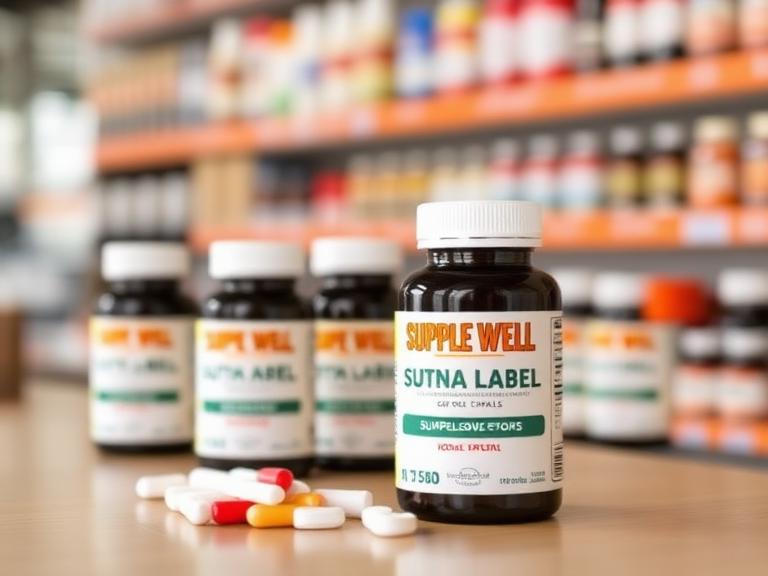
At ENZ Pharmtech, we analyze the supplement supply chain from raw material processing through final regulatory compliance audits. From our experience, many startup brands fail in their first year not because their marketing lacks creativity, but because they suffer from structural supply chain errors, poor component selection, or compliance liabilities. To achieve sustainable growth, you must build your brand on a foundation of chemical purity, verified manufacturing certifications, and predictable fulfillment models. This definitive guide details the eight critical execution steps required to launch your supplement line successfully this season.
Table of Contents
- 1. Operational Overview: Launch Roadmap and Strategic Targets
- 2. Step 1 & 2: Identifying Your Niche and Formulation Strategy
- 3. Step 3 & 4: Vetting Manufacturers and Compliance Frameworks
- 5. Step 5 & 6: Brand Assets and Regulatory Labeling Standards
- 6. Step 7 & 8: Logistics Optimization and Market Acquisition
- 7. Frequently Asked Questions (FAQs)
- 8. Academic and Regulatory References
1. Operational Overview: Launch Roadmap and Strategic Targets
Before deploying investment capital into brand assets or raw materials, you must establish an operational timeline. The table below outlines the core milestones necessary to start a private label supplement business from initial concept to active market entry.
| Execution Phase | Core Focus Area | Estimated Timeline | Critical Success Indicator |
|---|---|---|---|
| Phase 1: Foundation | Market research, niche identification, formulation sourcing | Weeks 1 – 4 | Finalized product specification sheets and ingredient lists |
| Phase 2: Supply Chain | Manufacturer vetting, audit reviews, sample testing | Weeks 5 – 8 | Signed supply agreements with certified manufacturers |
| Phase 3: Compliance | Label graphic engineering, regulatory review, packaging selection | Weeks 9 – 12 | 100% compliant label layout passing regulatory guidelines |
| Phase 4: Launch | E-commerce store integration, initial stock production, marketing execution | Weeks 13 – 16 | Live digital storefront with batch-verified inventory available |
2. Step 1 & 2: Identifying Your Niche and Formulation Strategy
Step 1: Define Your Target Market and Core Consumer Persona
The generic, multi-purpose vitamin market is saturated by multinational corporations operating on tight margins. To successfully start a private label supplement business as a rising brand, you must focus on a specific, clearly defined target audience. We recommend analyzing underserved demographics or emerging health trends. Consider building specialized formulas for targeted needs, such as cognitive longevity for aging professionals, sports performance clean-label protein blends, or highly bioavailable liquid wellness drops for health-conscious parents.
Step 2: Decide Between Stock Formulations and Custom Manufacturing
Your formulation strategy dictates your upfront capital requirements and your time-to-market. Stock formulations are pre-developed, stability-tested, and ready for immediate labeling, providing a low-risk point of entry for early-stage brands. Custom formulations allow you to adjust ingredient ratios, introduce unique raw materials, and claim true product exclusivity. However, custom blends require extended research and development, pilot batch testing, and higher minimum order quantities (MOQs).
From our experience, if you are looking to enter the sports performance space, choosing advanced delivery formats can give your brand a major competitive advantage. For companies targeting active markets in the Asia-Pacific region, reviewing established protein powder manufacturers Australia profiles helps you assess how top facilities manage high-density powder blending, flavoring stability, and allergen isolation controls.
3. Step 3 & 4: Vetting Manufacturers and Compliance Frameworks
From Our Experience: The Core Certificate Fallacy
We recommend never relying on a manufacturer’s verbal promises or unverified marketing text regarding facility standards. A manufacturer must provide current, downloadable copies of their registration documents and independent third-party audit records. Sourcing your inventory from uncertified operations exposes your brand to severe product recall liabilities and safety risks that can permanently destroy your consumer reputation.
Step 3: Partner with a Certified, High-Tier Manufacturer
-
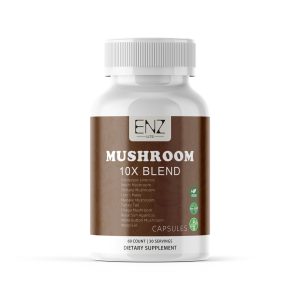
10x Blend Mushroom Capsules
-
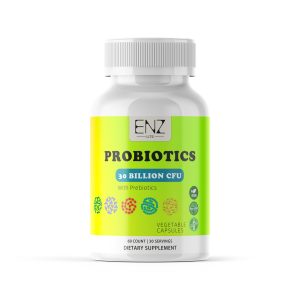
30 Billion Probiotic Capsules with Prebiotics
-
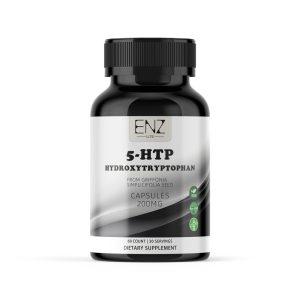
5-HTP Hydroxytryptophan Capsules 200mg
-
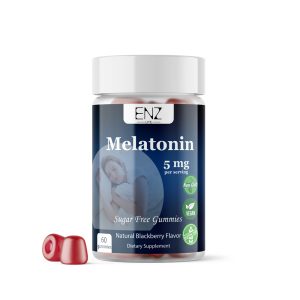
5mg Melatonin Gummies For Sleep Sugar Free
-
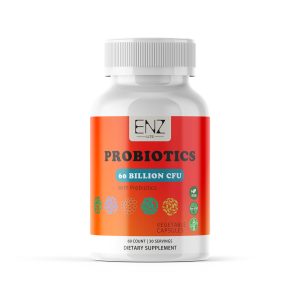
60 Billion Probiotic Capsules with Prebiotics
-
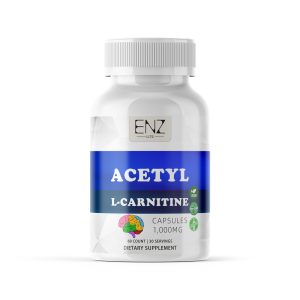
Acetyl L-Carnitine Capsules
-
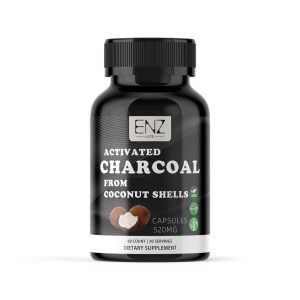
Activated Charcoal Capsules
-
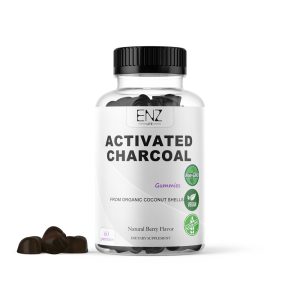
Activated Charcoal Gummy Detox Gummies
-
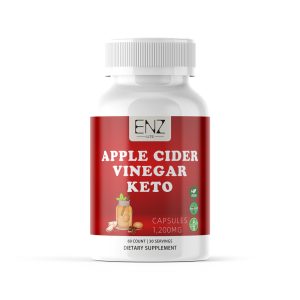
ACV Keto Capsules
The reliability of your manufacturing partner determines the quality and safety of your products. Your chosen partner must operate facilities that meet strict international quality and safety management benchmarks. ENZ Pharmtech Dietary Supplement Manufacturer offers a comprehensive One-Stop Solution Service for Private Label Manufacturing. Backed by excellent equipment, modern facilities, automated production lines, precise compounding processes, mature formulations, and a highly professional team with decades of experience, we are fully qualified across the health supplements sector. Our operations are strictly certified by ISO (FSSC22000), HACCP, GMP, BRCS, FDA, HALAL, and more, ensuring your brand receives absolute batch consistency and safety compliance.
Step 4: Audit Facility Quality Standards and Certification Track Records
When selecting your supply chain partners, you must verify that their facility holds current Good Manufacturing Practices (GMP) certifications. Reviewing a vetted GMP certified supplement companies list allows you to compare structural engineering standards, cleanroom configurations, and raw material tracing systems across premier facilities. If your target market includes the European Union, ensuring compliance with strict European Food Safety Authority (EFSA) criteria is essential. Collaborating with experienced supplement manufacturers Europe networks ensures your product lines satisfy stringent regional registration requirements, helping you navigate cross-border trade pathways smoothly.
| Certification Standard | Regulatory Body / Auditor | Operational Mandate for Facilities | Impact on Your Private Label Brand |
|---|---|---|---|
| GMP (21 CFR Part 111) | FDA / Independent Audits | Strict batch records, cleanroom control, equipment sanitation | Guarantees that label claims match bottle contents exactly |
| ISO 22000 / FSSC | International Standards Org | Comprehensive, systemic food and supplement safety monitoring | Enables seamless product export to European and Asian markets |
| HACCP Compliance | Certified Safety Inspectors | Systematic identification and prevention of chemical or physical hazards | Eliminates risk of cross-contamination during product runs |
Adapting Delivery Formats for Consumer Preferences
To successfully start a private label supplement business that stands out on e-commerce platforms like Shopify, you must choose delivery formats that resonate with modern consumer behaviors. While capsules and tablets remain traditional staples, a large segment of the market prefers easy-to-consume alternatives. Partnering with top-tier liquid supplement manufacturers allows your brand to introduce high-potency drops, functional sprays, and concentrated liquid wellness shots. These liquid formats absorb rapidly and offer flexible dosing, making them highly popular in premium beauty, anti-aging, and child wellness sectors.
5. Step 5 & 6: Brand Assets and Regulatory Labeling Standards
Step 5: Develop Premium Brand Assets and Custom Packaging Designs
Your brand assets—including your logos, typography, color palettes, and container designs—are the primary touchpoints that drive consumer trust. Minor details can influence a buyer’s perception of quality. We recommend investing in bespoke graphic design that communicates medical accuracy, clean formulation, and modern aesthetic elegance. Select packaging materials that protect active ingredients from UV light degradation, such as dark amber glass or high-density matte polymers.
Step 6: Ensure Absolute Compliance with Labeling Guidelines
Supplement labels are strictly regulated by food and drug authorities globally, such as the FDA in the United States and the EFSA in Europe. Your label packaging must feature an accurate Supplement Facts panel, a comprehensive ingredient breakdown by weight, explicit net quantity declarations, manufacture or distribution tracking details, and mandatory allergen warnings. Avoid making non-compliant disease treatment or prevention claims on your labeling text; instead, stick to verified structure-function claims to safeguard your business from costly regulatory enforcement actions or fines.
6. Step 7 & 8: Logistics Optimization and Market Acquisition
Step 7: Optimize Fulfillment Networks and Regional Logistics Platforms
Efficient warehousing, real-time inventory management, and fast shipping are essential to maintaining strong customer reviews on Shopify. If you are structuring a localized or international footprint, choose logistics channels that understand how to handle climate-sensitive inventory. For brands setting up distribution networks in western markets, leveraging specialized private label supplements Europe hubs ensures your stock is stored in temperature-controlled warehouses that comply fully with local health authority distribution guidelines.
Step 8: Execute Data-Driven Digital Marketing and Customer Acquisition
With your live inventory safely stored in fulfillment centers, your primary focus shifts to driving consistent traffic to your e-commerce store. Leverage targeted digital advertising channels, partner with qualified wellness micro-influencers, and develop educational, high-value search engine optimized content that addresses your core customer’s health questions directly. Provide clear access to independent, batch-specific Certificates of Analysis (CoAs) on your product pages. Building transparent, open relationships with your buyers is the ultimate strategy to secure recurring subscription sales and long-term brand loyalty.
7. Frequently Asked Questions (FAQs)
What is the baseline investment required to start a private label supplement business?
The initial investment capital depends entirely on your product format and the manufacturer’s Minimum Order Quantities (MOQs). Sourcing stock formulations can require as little as $2,000 to $5,000 for an initial production run, whereas custom formulations requiring specialized ingredient compounding and pilot testing can push setup costs past $15,000 to $25,000.
Do I need formal FDA or regulatory approval before I can sell my supplement line?
Dietary supplements do not require formal pre-market approval by regulatory bodies like the FDA before being sold to consumers. However, you are legally responsible for ensuring that your manufacturing facility is actively registered, complies fully with current GMP standards, and that all your product label claims are truthful, accurate, and non-misleading.
What is the core difference between a stock formulation and a custom formulation?
Stock formulations are pre-developed, off-the-shelf formulas that are already stability-tested and ready for immediate branding, offering fast turnaround times and low MOQs. Custom formulations allow you to design a completely bespoke ingredient profile from scratch, giving your brand exclusive product rights at the cost of higher startup expenditures and extended R&D timelines.
Why is third-party batch testing essential for private label brands?
Third-party batch testing provides independent, scientific validation that what is printed on your supplement label matches exactly what is inside the bottle. It confirms the identity and potency of the active ingredients while verifying the complete absence of dangerous heavy metals, environmental toxins, or microbial pathogens.
How do I handle supplement product liability insurance for my business?
You must secure a comprehensive product liability insurance policy specifically rated for dietary supplements before selling your first bottle. This policy protects your business from potential financial losses arising from customer adverse reaction claims or unexpected product safety lawsuits, providing an essential shield for your corporate assets.
8. Academic and Regulatory References
For official regulatory text, good manufacturing protocols, and compliance frameworks governing the dietary supplement industry, consult these authoritative international organizations:
- U.S. Food and Drug Administration (FDA). Dietary Supplement Current Good Manufacturing Practices (cGMP) and Labeling Regulations (21 CFR Part 111).
- European Food Safety Authority (EFSA). Scientific Requirements and Policy Regulations for Health Claims on Food and Supplements.
- International Organization for Standardization (ISO). ISO 22000:2018 Food Safety Management Systems – Requirements for Any Organization in the Food Chain.