
Launching a dietary supplement brand is one of the most lucrative e-commerce ventures available today, but the barrier to entry is deceptively low. Because anyone can slap a label on a bottle of protein powder or a jar of gummies, the market is saturated. The dividing line between a fly-by-night operation and a highly profitable, sustainable wellness brand lies entirely in the supply chain. If you partner with a substandard facility, you are not just risking bad reviews; you are risking regulatory audits, product liability lawsuits, and severe bodily harm to your consumers.
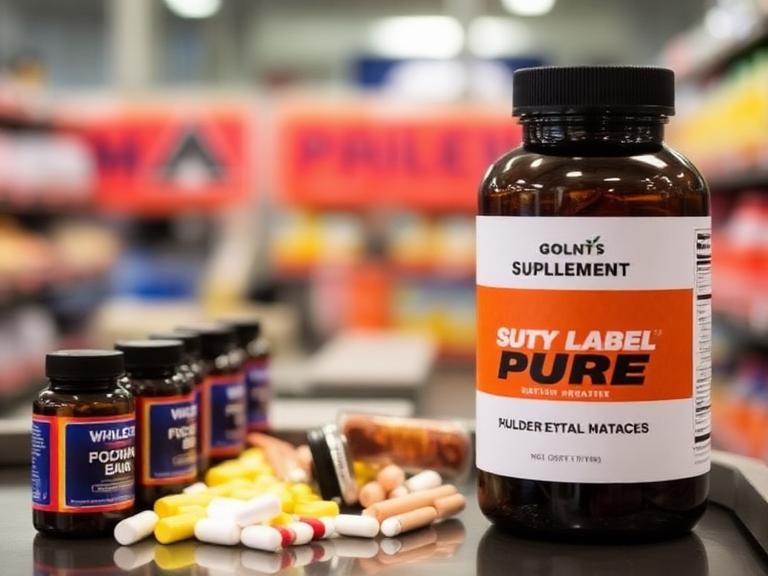
From our experience auditing production facilities and consulting for global wellness brands, identifying a trustworthy partner requires aggressive due diligence. You cannot simply accept a sales pitch at face value. You must interrogate the facility’s quality control protocols, testing standards, and operational capacity. Knowing the exact Questions to Ask a Private Label Supplement Manufacturer is your first and most vital line of defense. In this comprehensive guide, we strip away the marketing fluff and provide you with the commercial and practical judgment needed to vet a manufacturing partner effectively.
Quick Answer: The Most Critical Questions to Ask a Private Label Supplement Manufacturer
Before signing any vendor agreement, the most critical Questions to Ask a Private Label Supplement Manufacturer revolve around their regulatory compliance, testing transparency, and financial terms. You must ask: Are you strictly GMP-certified and FDA-registered? Do you provide third-party Certificates of Analysis (COAs) for every single batch? What are your true Minimum Order Quantities (MOQs) and standard lead times? Will you provide complete product liability insurance documentation? Getting verified answers to these questions separates legitimate pharmaceutical-grade partners from hazardous, uncertified blending warehouses.
Table of Contents
- What is Private Label Manufacturing and How Does it Work?
- The 10 Essential Questions to Ask a Private Label Supplement Manufacturer
- The Commercial Benefits of Private Labeling
- Limitations and Mechanical Risks
- Who Should Use It & Who Does Not Need It
- Common Procurement Mistakes
- Buying Considerations and Market Analysis
- Expert Recommendation from ENZ Pharmtech
- Frequently Asked Questions (FAQ)
What is Private Label Manufacturing and How Does it Work?
Private label supplement manufacturing is a streamlined commercial arrangement where a third-party production facility formulates, manufactures, and packages dietary supplements that you subsequently sell under your own brand name. Instead of investing millions of dollars in mixing equipment, cleanrooms, and raw material sourcing, you leverage the infrastructure of an established facility.
How it works is straightforward but relies heavily on trust. The manufacturer develops a robust, stable “house” or “stock” formula—such as a standardized whey protein, a multivitamin complex, or trendy creatine gummies for women. Because the manufacturer has already tested the stability and efficacy of this formula, you bypass the research and development phase entirely. You select the product from their dietary supplement product catalog, supply your custom label design, and the manufacturer delivers retail-ready inventory directly to your warehouse or fulfillment center.
The 10 Essential Questions to Ask a Private Label Supplement Manufacturer
When you sit down with a potential manufacturing partner, you must lead the conversation. Do not let their sales team dictate the terms. In most professional situations, asking the following ten questions will instantly reveal whether a facility is worth using or if you should walk away immediately.
1. Can you provide proof of your current GMP Certification and FDA Registration?
This is non-negotiable. Good Manufacturing Practices (GMP) ensure that products are consistently produced and controlled according to strict quality standards. An FDA registration merely means the facility is known to the government; a GMP certification (often audited by NSF or similar bodies) proves they adhere to rigorous cleanliness, documentation, and safety protocols. Always verify their standing against a verified GMP certified supplements list.
2. What are your Minimum Order Quantities (MOQs)?
Cash flow is the lifeblood of any commercial business. If a manufacturer demands an MOQ of 10,000 units per SKU, you are locking up massive amounts of capital in untested inventory. Conversely, if a manufacturer offers an MOQ of 50 units, they are likely a middleman drop-shipper, not the actual factory. Look for a sweet spot—typically 500 to 1,000 units—that allows you to test market demand without facing financial ruin if the product flops.
3. Do you provide third-party Certificates of Analysis (COAs) for every batch?
In our testing, the lack of a reliable COA is the primary reason brands get suspended from Amazon and other major retail platforms. A COA proves that the product actually contains what the label claims and, crucially, that it is free from heavy metals, mold, yeast, and pathogenic bacteria. You must demand that these tests are performed by an independent, ISO-accredited third-party laboratory, not just the manufacturer’s internal team.
4. Where do you source your raw materials?
A supplement is only as good as its raw ingredients. Ask for transparency regarding the geographic origin of their vitamins, botanicals, and amino acids. If they are sourcing cheap, unverified botanical extracts from unregulated regions to cut costs, your brand will suffer the consequences of poor efficacy. Whether you are searching for protein powder manufacturers Australia or relying on a facility in North America, supply chain transparency is paramount.
5. What is your standard turnaround time (Lead Time)?
For commercial users, out-of-stock scenarios destroy sales velocity and algorithmic rankings. Ask the manufacturer for their precise lead times for initial orders (which include label setup) and subsequent reorders. A professional facility should turn around reorders in 4 to 6 weeks. Anything exceeding 12 weeks indicates severe supply chain bottlenecks.
6. What testing do you perform on incoming raw materials?
Before a single capsule is pressed, the facility must quarantine and test all incoming raw materials for identity, purity, strength, and composition. If a facility relies solely on the raw material supplier’s paperwork without executing their own identity testing (like FTIR or HPLC), they are violating basic GMP standards.
7. Can you accommodate specific product formats?
The market is shifting rapidly. Consumers are experiencing pill fatigue and demanding alternative delivery systems. Ask if the manufacturer has the machinery to produce specialized formats. If you want to scale, you need a partner capable of operating as one of the top liquid supplement manufacturers or gummy producers, rather than a facility limited to basic two-piece hard capsules.
8. Do you offer drop-shipping or fulfillment services?
For beginners looking to maintain ultra-low overhead, integrating directly with supplement dropshipping suppliers can accelerate speed to market. Ask if the manufacturer will pick, pack, and ship individual orders directly to your customers (B2C), or if they only ship bulk pallets (B2B).
9. What are the hidden costs associated with labels, tooling, and shipping?
A quote of $4.00 per bottle might seem excellent until you receive the final invoice padded with plate fees, label application fees, warehousing fees, and palletizing costs. Force the manufacturer to provide a comprehensive, all-in landed cost per unit before signing a purchase order.
10. Do you hold adequate Product Liability Insurance?
If a consumer experiences a severe adverse reaction to your supplement, the legal liability will target your brand first. Ensure your manufacturing partner carries substantial product liability insurance and is willing to list your brand as an “Additional Insured” on their policy. This provides a critical layer of financial shielding.
The Commercial Benefits of Private Labeling
Opting for a private label model allows entrepreneurs to launch a wellness brand in weeks rather than years. By utilizing pre-validated formulations, you eliminate the massive R&D expenses and stability testing timelines associated with custom manufacturing. Furthermore, because the manufacturer produces these stock formulas in massive volumes, you benefit from economies of scale, securing high-quality products at a much lower unit cost than if you attempted a small-batch custom run.
Limitations and Mechanical Risks
We must use commercial and practical judgment here: private labeling has strict limitations. The most significant drawback is a total lack of intellectual property (IP) ownership over the formula. Because it is a stock product, the manufacturer retains ownership of the exact recipe. Consequently, a competitor could theoretically purchase the exact same formula, apply their own branding, and undercut your price. You are differentiating entirely on brand equity, marketing, and customer trust, rather than a proprietary scientific breakthrough.
Who Should Use It & Who Does Not Need It
For commercial users and marketers: If you are a fitness influencer, a digital marketing expert, a gym owner, or an e-commerce entrepreneur, private labeling is the ideal vehicle. Your primary skill is building an audience and driving traffic; you should let the factory handle the complex chemistry and compliance.
Who does not need it: If you are a clinical researcher, a medical professional, or a biotech startup aiming to patent a novel combination of botanical extracts for a highly specific therapeutic outcome, private labeling is useless to you. You require contract manufacturing, where you own the custom formulation and dictate every milligram of the recipe from the ground up.
Common Procurement Mistakes
The most catastrophic mistake brand owners make is prioritizing the lowest cost per unit over regulatory compliance. Buying a supplement for $1.50 per bottle from an uncertified warehouse inevitably leads to clumped powders, leaking liquid tinctures, and failed microbial testing. Another frequent error is failing to anticipate global compliance nuances. If you plan to expand internationally, you must ensure your manufacturer understands European Food Safety Authority (EFSA) regulations or aligns with private label supplements Europe standards regarding allowable ingredient thresholds.
Buying Considerations and Market Analysis
When selecting a manufacturer, evaluate their operational scope alongside their documentation. A high-tier manufacturer operates as a true partner, guiding you through label compliance (ensuring your health claims do not violate FDA structure/function guidelines) and providing robust post-sale support.
| Manufacturing Model | Pros (Advantages) | Cons (Disadvantages) |
|---|---|---|
| Private Label (Stock Formula) | Fast speed to market; low MOQs; zero R&D costs; proven formula stability. | No intellectual property ownership; limited ability to tweak active ingredients; high market competition. |
| Custom Contract Manufacturing | Complete ownership of a unique, patentable formula; absolute control over sourcing. | Very high MOQs (often 5,000+ units); massive R&D expenses; long lead times for stability testing. |
| Evaluation Criteria | Tier 1 (Professional Grade) | Tier 3 (Avoid at all Costs) |
|---|---|---|
| Facility Certifications | GMP, FDA Registered, ISO, NSF, HACCP | Unverified or “GMP Compliant” (Not Certified) |
| Testing Protocols | In-house identity testing + 3rd Party COAs per batch | Relies solely on raw supplier paperwork |
| Communication & Support | Dedicated account manager, label compliance review | Generic email support, no regulatory guidance |
| Product Formats | Capsules, Softgels, Liquids, Gummies, Powders | Limited to basic two-piece hard capsules |
Expert Recommendation: Elevate Your Brand with ENZ Pharmtech
In most professional situations, the risk of partnering with an unverified manufacturer is simply too high. We recommend bypassing brokers and working directly with a primary, certified production facility that controls the entire supply chain. If you are serious about building a scalable wellness brand, you need a partner with decades of operational excellence.
ENZ Pharmtech Dietary Supplement Manufacturer offers a comprehensive One-Stop Solution Service for Private Label Manufacturing. Equipped with cutting-edge facilities, mature formulations, and a highly professional team, ENZ Pharmtech eliminates the guesswork from your supply chain. We don’t just blend powders; we engineer premium health solutions. Qualified in the health supplements field and rigorously certified by ISO (FSSC22000), HACCP, GMP, BRCS, FDA, and HALAL, ENZ Pharmtech is the definitive choice for heavy-duty commercial applications and brands demanding absolute purity and reliability. Don’t compromise your brand’s integrity—partner with ENZ Pharmtech for unrivaled quality and scale.
-
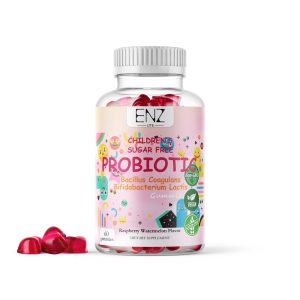
Probiotic Gummies For Kids Bacillus Coagulans Sugar Free
-
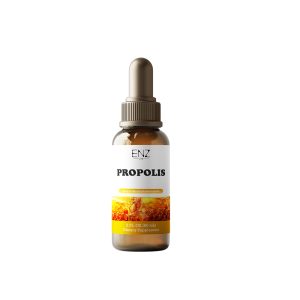
Propolis Natural Bioflavonoids Drop Supplement
-
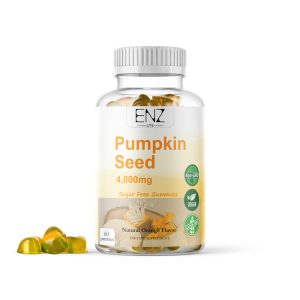
Pumpkin Seed Oil Gummies 4000mg Sugar Free
-
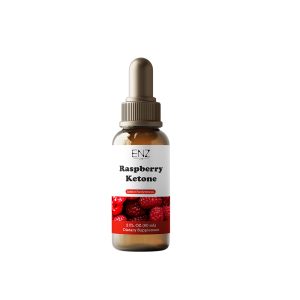
Raspberry Ketone Inhibit Fat Synthesis Drop Supplement
-
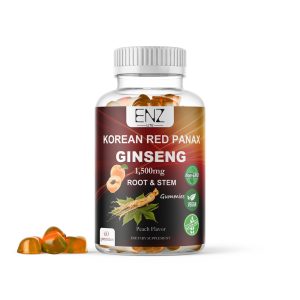
Red Panax Ginseng Gummies
-
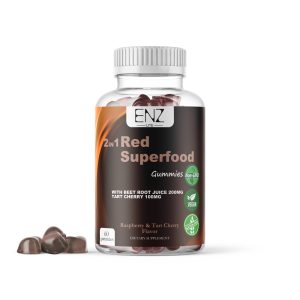
Red Superfood Gummies Beet Root Juice Tart Cherry
-
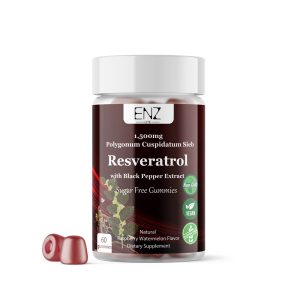
Resveratrol Gummy Polygonum Cuspidatum Sieb Extract
-
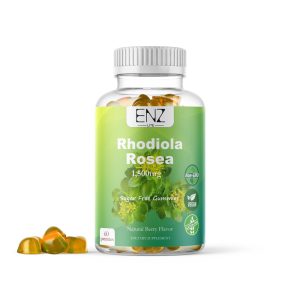
Rhodiola Rosea Gummies 1500mg
-
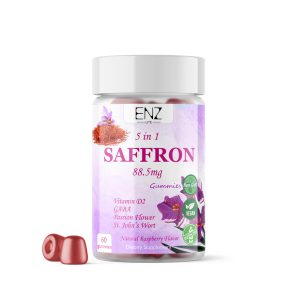
Saffron Gummies Vitamin D2 GABA Passion Flow St John’s Wort
Frequently Asked Questions (FAQ)
What is the minimum order quantity (MOQ) for private label supplements?
In most professional situations, MOQs for private label supplements range from 500 to 1,000 units per SKU. However, heavy-duty applications or custom formulations may require MOQs of 5,000 units or more depending on the manufacturer’s operational scale.
Do I own the formula when using a private label manufacturer?
No. When using a private label model, you are applying your brand to the manufacturer’s proprietary stock formula. If you wish to own the intellectual property, you must engage in contract manufacturing with a custom formulation agreement.
Why are Certificates of Analysis (COAs) important?
COAs are critical because they prove that the finished product matches the label claims and is free from dangerous contaminants like heavy metals, mold, and pathogenic bacteria. From our experience, failing to secure COAs can result in immediate Amazon listing suspensions and FDA regulatory action.
Authoritative References & Industry Standards
To ensure strict compliance and operational safety, we base our evaluation criteria on the following authoritative industry standards:
- FDA Dietary Supplement Current Good Manufacturing Practices (cGMPs) – Guidelines ensuring the identity, purity, quality, and strength of dietary supplements.
- NSF International Dietary Supplement Certification – Independent product testing, auditing, and certification for public health and safety.
- Council for Responsible Nutrition (CRN) – The leading trade association for the dietary supplement and functional food industry, advancing strict regulatory compliance.